3-(3,5-Di-tert-butyl-4-hydroxyphenyl)propionic Acid is a chemical compound widely used in organic synthesis as a building block in laboratory settings. This compound plays a crucial role in the development of antioxidants and protective agents, making it a valuable tool for researchers in both academic and industrial environments. Its molecular structure allows for versatile chemical reactions, enabling the creation of various functional compounds with specific applications. The compound’s stability and reactivity make it a reliable choice for a range of chemical processes, supporting innovation in chemical research and development.
The compound is known for its chemical stability and moderate reactivity, which contribute to its effectiveness in synthetic reactions. Its molecular structure includes hydroxyl and alkyl groups, which facilitate the formation of complex chemical bonds. The presence of tert-butyl groups enhances its resistance to oxidation, thereby improving its performance in long-term chemical processes. These properties make it a preferred choice for laboratories aiming to produce high-performance chemical products, such as antioxidants and protective agents used in various industries.
In Indonesian laboratories, this compound is extensively used in both fundamental and applied chemical research. It is commonly found in research institutions and universities, where it is employed to develop specialized chemical products. Its relevance in creating functional materials, such as protective agents for plastics and active ingredients in pharmaceuticals, underscores its importance in the chemical research landscape of Indonesia.
- Organic synthesis applications benefit from this compound’s structural versatility, enabling the creation of complex molecules with antioxidant properties.
- Antioxidant development relies on its stability and reactivity, making it ideal for synthesizing compounds that neutralize free radicals.
- Protective agent formulation uses its molecular structure to create materials that shield against oxidative degradation in various environments.
- Pharmaceutical research incorporates it to develop active ingredients with specific functional properties, enhancing drug efficacy.
- Industrial chemical production leverages its chemical stability to create high-performance products used in manufacturing and material science.
| Brand | TCI |
|---|---|
| CAS number | 20170-32-5 |
| Molecular formula | — |
| Purity | — |
| Category | Chemistry > Building Blocks > Non-Heterocyclic Building Blocks |
| Pack sizes | Available in standard laboratory quantities |
| Physical form | Solid powder |
| Storage | Store in a cool, dry place away from direct sunlight |
This compound should be stored in a cool, dry environment to maintain its chemical stability. It is recommended to keep it in a tightly sealed container to prevent moisture absorption and contamination. Due to its chemical nature, it should be handled in a well-ventilated area, and appropriate personal protective equipment should be worn when working with it. Avoid exposure to heat or direct sunlight, as these conditions may affect its performance. The compound is generally safe to handle when proper laboratory protocols are followed, ensuring safe and effective use in research applications.
—
Produk Terkait
-
Methyl5-Bromo-2-hydroxybenzoate TCI B6380
Regular price From Rp 2.016.000,00Regular price -
2,3-DihydroxybenzoicAcid TCI C0054
Regular price From Rp 1.298.850,00Regular price -
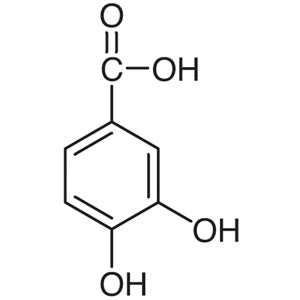
3,4-DihydroxybenzoicAcid TCI C0055
Regular price From Rp 2.386.650,00Regular price -
5-ChlorosalicylicAcid TCI C0287
Regular price From Rp 637.350,00Regular price -
trans-p-CoumaricAcid TCI C0393
Regular price From Rp 1.510.950,00Regular price -
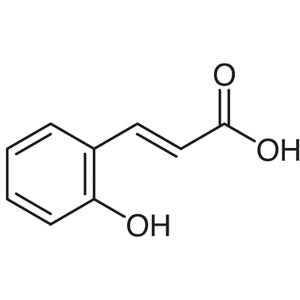
trans-o-CoumaricAcid TCI C0394
Regular price From Rp 875.700,00Regular price -
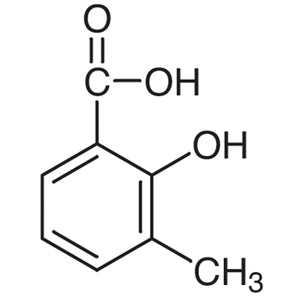
3-MethylsalicylicAcid TCI C0408
Regular price From Rp 530.250,00Regular price -
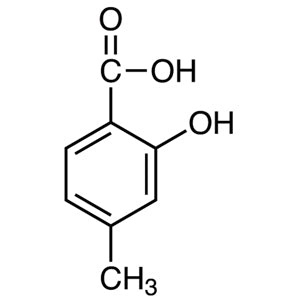
4-MethylsalicylicAcid TCI C0409
Regular price From Rp 1.193.850,00Regular price