2-(4-Hydroxyphenyl)propionic Acid is a chemical compound widely used in laboratory settings for the synthesis of complex molecules. As a key building block in organic chemistry, it serves as a foundational material for the development of various chemical structures, particularly those containing phenolic groups. Its versatility makes it an essential component in both academic and industrial research environments. This compound is frequently employed in substitution and oxidation reactions, contributing to the creation of pharmaceuticals and specialty chemicals. Its role in laboratory processes is critical due to its reactivity and compatibility with a wide range of chemical reactions.
The compound’s molecular structure, featuring both hydroxyl and carboxyl groups, gives it high reactivity and polarity. These properties make it ideal for reactions requiring strong intermolecular interactions. The presence of these functional groups allows for multiple chemical modifications, enhancing its utility in synthetic pathways. Additionally, its chemical stability under controlled laboratory conditions ensures reliable performance during experiments. This stability simplifies storage and handling, making it a preferred choice for researchers working with complex chemical systems.
In Indonesian laboratories, 2-(4-Hydroxyphenyl)propionic Acid is commonly used in organic chemistry, pharmacology, and materials science research. Its availability and consistent quality make it a go-to material for scientists and technicians. It supports a wide range of applications, from basic research to the development of new compounds and formulations. Its role in advancing scientific knowledge and innovation is well recognized in the Indonesian scientific community.
Related TCI products
- TCI H0599 501-97-3 3-(4-Hydroxyphenyl)propionic Acid
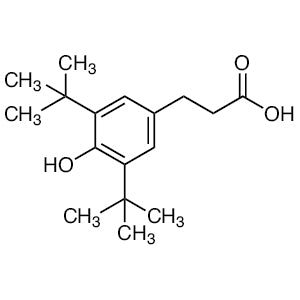
- TCI D3452 20170-32-5 3-(3,5-Di-tert-butyl-4-hydroxyphenyl)propionic Acid
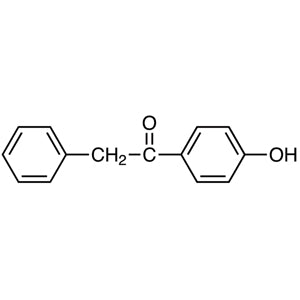
- TCI B4722 2491-32-9 Benzyl 4-Hydroxyphenyl Ketone
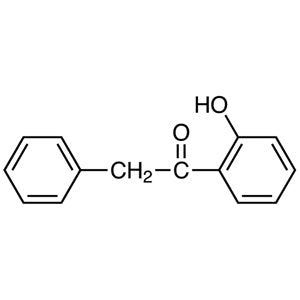
- TCI B4673 2491-31-8 Benzyl 2-Hydroxyphenyl Ketone
- TCI A2960 42059-48-3 4-Acetyl-3-hydroxyphenyl Acetate
- TCI M1810 6386-38-5 Methyl 3-(3,5-Di-tert-butyl-4-hydroxyphenyl)propionate
- Organic synthesis applications benefit from this compound’s reactivity and structural versatility, enabling the creation of complex molecules.
- Pharmaceutical research utilizes it for the development of drug compounds, leveraging its phenolic structure for medicinal properties.
- Material science experiments use it to create functional materials with specific chemical properties and reactivity.
- Analytical chemistry processes incorporate it as a standard reference for testing and reaction mechanisms.
- Industrial chemical production relies on its stability and compatibility for large-scale synthesis and formulation.
| Brand | TCI |
|---|---|
| CAS number | 938-96-5 |
| Molecular formula | — |
| Purity | — |
| Category | Chemistry > Building Blocks > Non-Heterocyclic Building Blocks |
| Pack sizes | Available in various quantities to meet different research needs |
| Physical form | Solid, crystalline powder |
| Storage | Store in a cool, dry place away from direct sunlight and moisture |
This compound should be stored in a cool, dry environment to maintain its chemical integrity. It is recommended to use airtight containers to prevent moisture absorption and contamination. Due to its reactivity, it should be handled in a well-ventilated area, and appropriate personal protective equipment should be worn. Avoid exposure to strong oxidizing agents to prevent unwanted chemical reactions. Proper labeling of containers is essential for safe handling and identification. Regular inspection of storage conditions ensures the compound remains stable and suitable for use in laboratory applications.
—
Produk Terkait
-
3-(4-Hydroxyphenyl)propionicAcid TCI H0599
Regular price From Rp 1.115.100,00Regular price -
3-(3,5-Di-tert-butyl-4-hydroxyphenyl)propionicAcid TCI D3452
Regular price From Rp 795.900,00Regular price -
Benzyl4-HydroxyphenylKetone TCI B4722
Regular price From Rp 1.035.300,00Regular price -
Benzyl2-HydroxyphenylKetone TCI B4673
Regular price From Rp 2.094.750,00Regular price -
4-Acetyl-3-hydroxyphenylAcetate TCI A2960
Regular price From Rp 1.696.800,00Regular price -
Methyl3-(3,5-Di-tert-butyl-4-hydroxyphenyl)propionate TCI M1810
Regular price From Rp 557.550,00Regular price -
4-HydroxyphenylAcetate TCI H1920
Regular price From Rp 1.378.650,00Regular price -
3-(3-Hydroxyphenyl)propanoicAcid TCI H1819
Regular price From Rp 875.700,00Regular price