2,6-Dichloro-7-deazapurine is a chemical compound widely used in organic synthesis reactions, particularly in the formation of complex heterocyclic compounds. This material serves as a fundamental building block in laboratory settings, playing a crucial role in the development of pharmaceuticals and bioactive molecules. Its unique structure, derived from purine with two chlorine atoms at positions 2 and 6, enhances its reactivity and versatility in various chemical transformations. Due to its chemical stability and solubility properties, it is a valuable resource for researchers working on advanced synthetic pathways.
The compound's reactivity and ability to participate in substitution and ring-opening reactions make it a preferred choice for synthetic chemists. Its modified purine framework provides a platform for the creation of diverse molecular structures, which are essential in drug discovery and biochemical research. The high reactivity of 2,6-Dichloro-7-deazapurine allows it to interact effectively with various functional groups, making it suitable for a wide range of chemical applications. These properties contribute to its widespread use in both academic and industrial research environments.
In Indonesian laboratories, 2,6-Dichloro-7-deazapurine is commonly utilized by researchers in universities and research institutions. It is employed in the synthesis of bioactive compounds and pharmaceutical intermediates, supporting scientific investigations and product development. Its availability and chemical characteristics make it an essential component in the toolkit of chemists working on complex molecular structures and functional group modifications.
TCI brochures (PDF)
- Nucleosides, Nucleotides, Nucleic Acids and Related Reagents 2026-03-23 · p. 9
Related TCI products
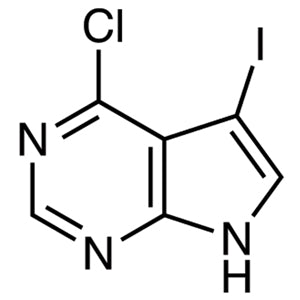
- TCI C3130 123148-78-7 6-Chloro-7-iodo-7-deazapurine
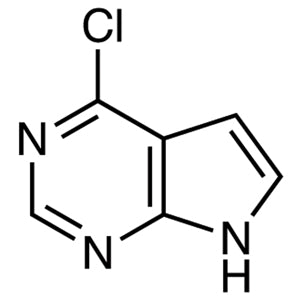
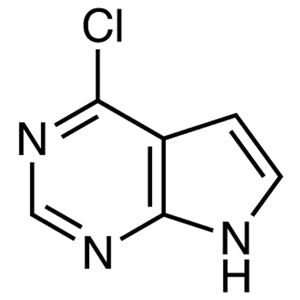
- TCI C2306 3680-69-1 6-Chloro-7-deazapurine
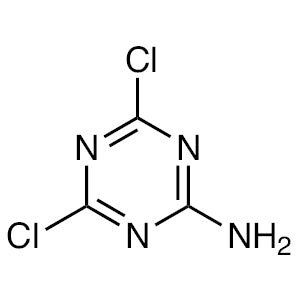
- TCI A3095 933-20-0 4,6-Dichloro-1,3,5-triazin-2-amine
- TCI A2716 145783-15-9 5-Amino-4,6-dichloro-2-(propylthio)pyrimidine
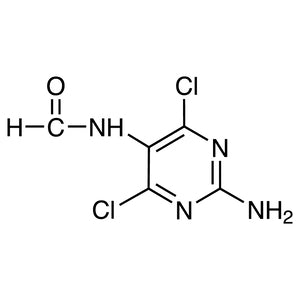
- TCI A2146 171887-03-9 2-Amino-4,6-dichloro-5-formamidopyrimidine
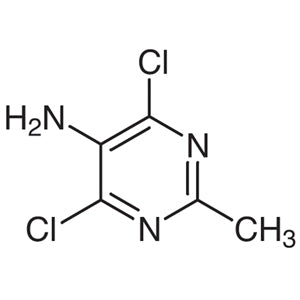
- TCI A1946 39906-04-2 5-Amino-4,6-dichloro-2-methylpyrimidine
- Organic synthesis is a key application where 2,6-Dichloro-7-deazapurine is used to create complex heterocyclic compounds due to its reactivity and structural versatility.
- Pharmaceutical research benefits from this compound as it serves as a building block for the development of new drugs and bioactive molecules.
- Biochemical studies often incorporate this material to explore its role in molecular interactions and functional group modifications.
- Academic research in chemistry relies on 2,6-Dichloro-7-deazapurine for the synthesis of novel compounds with specific structural and functional properties.
- Industrial applications in chemical manufacturing utilize this compound for the production of specialized intermediates and specialty chemicals.
| Brand | TCI |
|---|---|
| CAS number | 90213-66-4 |
| Molecular formula | — |
| Purity | — |
| Category | Chemistry > Building Blocks > Heterocyclic Building Blocks |
| Pack sizes | Available in various quantities as per supplier specifications |
| Physical form | Solid, crystalline appearance |
| Storage | Store in a cool, dry place away from light and moisture |
This compound should be stored in a cool, dry environment, away from direct sunlight and moisture to maintain its chemical integrity. It is recommended to use airtight containers to prevent exposure to air and humidity, which may affect its stability. Due to its reactivity, it should be handled with appropriate personal protective equipment, including gloves and safety goggles. In laboratory settings, it is important to ensure proper ventilation when working with this material to minimize inhalation risks. Always follow standard chemical safety protocols to ensure safe handling and storage practices.
—
Produk Terkait
-
6-Chloro-7-iodo-7-deazapurine TCI C3130
Regular price From Rp 1.115.100,00Regular price -
6-Chloro-7-deazapurine TCI C2306
Regular price From Rp 530.250,00Regular price -
4,6-Dichloro-1,3,5-triazin-2-amine TCI A3095
Regular price Rp 4.611.600,00Regular price -
5-Amino-4,6-dichloro-2-(propylthio)pyrimidine TCI A2716
Regular price From Rp 637.350,00Regular price -
2-Amino-4,6-dichloro-5-formamidopyrimidine TCI A2146
Regular price From Rp 769.650,00Regular price -
5-Amino-4,6-dichloro-2-methylpyrimidine TCI A1946
Regular price From Rp 2.439.150,00Regular price -
3,6-Dichloro-1,2,4,5-tetrazine TCI D5732
Regular price From Rp 2.757.300,00Regular price -
2,4-Dichloro-3-nitropyridine TCI D5580
Regular price From Rp 769.650,00Regular price