N,N'-Dicyclohexyl-1,2-ethanediamine (DCHDA), with CAS number 4013-98-3, is a nitrogen-donor ligand widely used in catalytic and organic synthesis applications within laboratory settings. This compound serves as a key component in the formation of metal complexes, particularly those involving transition metals, which are essential in various catalytic reactions. Its role in enhancing catalytic activity makes it an important reagent for researchers aiming to optimize chemical reactions. DCHDA is known for its stability and controlled reactivity, making it a reliable choice for a wide range of chemical applications.
The chemical properties of DCHDA, including its molecular structure with two amine groups, allow it to effectively bind to metal ions, facilitating the formation of highly active catalytic complexes. Its solubility in organic solvents further enhances its utility in laboratory procedures, as it can be easily incorporated into various reaction systems. The compound’s inertness and resistance to decomposition also contribute to its safety and reliability in both research and industrial settings. These characteristics make DCHDA a preferred ligand for applications requiring precise control over reaction conditions.
In Indonesian laboratories, DCHDA is extensively used in chemical research, particularly in catalysis and organic synthesis. Its ability to enhance catalytic efficiency and its compatibility with a variety of reaction conditions make it a valuable tool for researchers. The compound’s stability and solubility properties allow for consistent performance in different experimental setups, supporting a wide range of scientific investigations. Its non-toxic nature and ease of handling further contribute to its popularity in laboratory environments.
TCI brochures (PDF)
- Ligands 2025-12-01 · p. 9
Related TCI products
- TCI D5860 52198-62-6 N,N-Diethyl-1,2-ethanediamine Dihydrochloride
- TCI P0293 84-61-7 Dicyclohexyl Phthalate
- TCI D5723 122640-83-9 Dicyclohexyl-3,4,3',4'-tetracarboxylic Dianhydride
- TCI D3792 4975-73-9 N,N'-Dicyclohexyl-4-morpholinecarboxamidine
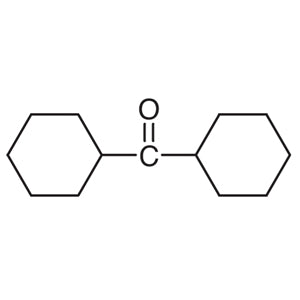
- TCI D2258 119-60-8 Dicyclohexyl Ketone
- TCI D1668 16069-36-6 Dicyclohexano-18-crown 6-Ether
- Catalytic Reaction Optimization: DCHDA is used to enhance the efficiency of catalytic reactions by forming stable metal complexes that improve reaction rates and selectivity.
- Organic Synthesis: The compound is employed in the synthesis of complex organic molecules, where its ability to coordinate with metal ions aids in the formation of desired products.
- Transition Metal Complex Formation: DCHDA serves as a ligand for creating metal complexes that are essential in various catalytic processes, particularly in industrial and academic research.
- Solvent Compatibility Testing: Due to its solubility in organic solvents, DCHDA is used in experiments to assess the compatibility of different solvent systems with catalytic processes.
- Stability Studies: The compound’s resistance to decomposition makes it suitable for long-term studies on the stability of metal-ligand complexes under various reaction conditions.
| Brand | TCI |
|---|---|
| CAS number | 4013-98-3 |
| Molecular formula | — |
| Purity | — |
| Category | Chemistry > Catalysis and Inorganic Chemistry > Nitrogen-Donor Ligands [Catalysis] |
| Pack sizes | Available in various quantities as per standard laboratory supply |
| Physical form | Liquid |
| Storage | Store in a cool, dry place away from direct sunlight |
DCHDA should be stored in a cool, dry environment, away from direct sunlight and sources of heat. It is recommended to keep the compound in a tightly sealed container to prevent exposure to air and moisture. Due to its solubility in organic solvents, it should be handled in a well-ventilated area to minimize inhalation risks. While it is considered non-toxic, standard laboratory safety precautions such as the use of gloves and eye protection should be followed when handling. The compound is stable under normal storage conditions and does not require refrigeration unless specified otherwise. Its inert nature makes it relatively safe to handle, but care should still be taken to avoid contamination and ensure proper disposal.
—
Produk Terkait
-
N,N-Diethyl-1,2-ethanediamineDihydrochloride TCI D5860
Regular price Rp 1.829.100,00Regular price -
DicyclohexylPhthalate TCI P0293
Regular price From Rp 530.250,00Regular price -
Dicyclohexyl-3,4,3',4'-tetracarboxylicDianhydride TCI D5723
Regular price From Rp 2.942.100,00Regular price -
N,N'-Dicyclohexyl-4-morpholinecarboxamidine TCI D3792
Regular price From Rp 823.200,00Regular price -
DicyclohexylKetone TCI D2258
Regular price From Rp 1.060.500,00Regular price -
Dicyclohexano-18-crown6-Ether TCI D1668
Regular price From Rp 823.200,00Regular price -
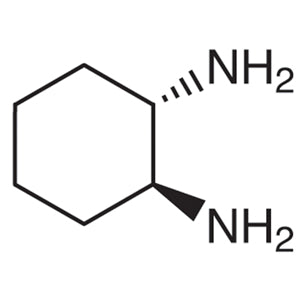
(1S,2S)-(+)-1,2-Cyclohexanediamine TCI C1448
Regular price From Rp 4.028.850,00Regular price -
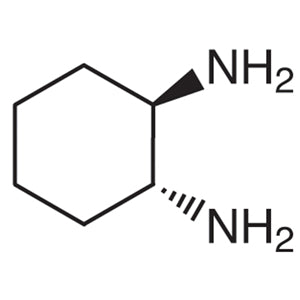
(1R,2R)-(-)-1,2-Cyclohexanediamine TCI C1447
Regular price From Rp 3.683.400,00Regular price