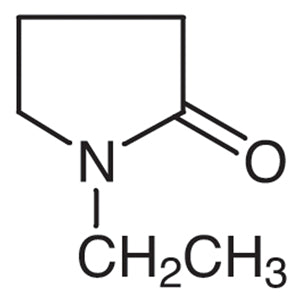
1-Ethyl-2-pyrrolidone is a versatile chemical compound widely used in laboratory processes, particularly in the synthesis of heterocyclic compounds. As a key building block in organic chemistry, it plays a crucial role in facilitating reactions that require a polar and stable environment. Its ability to act as a solvent, reagent, or binder makes it an essential component in various chemical reactions. This compound is especially valuable in synthetic pathways where controlled reactivity and solubility are required.
The chemical properties of 1-Ethyl-2-pyrrolidone make it a preferred choice for laboratory use. It exhibits excellent solubility in organic solvents and possesses a stable chemical structure, which ensures consistent performance across different experimental conditions. Its non-volatile nature allows for easier handling and prolonged use in laboratory settings. Additionally, its effectiveness as a solvent in substitution and coupling reactions enhances its utility in complex chemical syntheses. These characteristics make it a reliable and efficient reagent for a wide range of applications.
In Indonesian laboratories, 1-Ethyl-2-pyrrolidone is commonly used in organic chemistry research, particularly in universities and research institutions. It supports the development of new compounds and the refinement of synthetic methods. Its availability and reliability make it a standard material in both academic and industrial research environments. The compound’s adaptability to various experimental needs ensures its continued relevance in the field of chemical synthesis.
Related TCI products
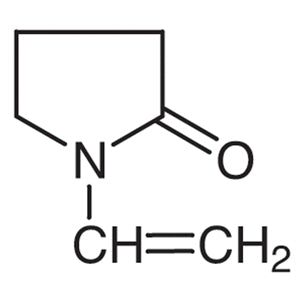
- TCI V0026 88-12-0 1-Vinyl-2-pyrrolidone (stabilized with N,N'-Di-sec-butyl-p-phenylenediamine)
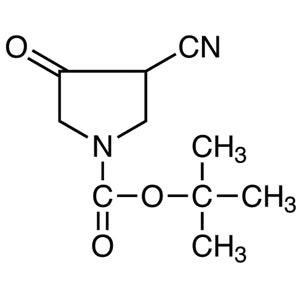
- TCI B4761 175463-32-8 1-tert-Butoxycarbonyl-3-cyano-4-pyrrolidone
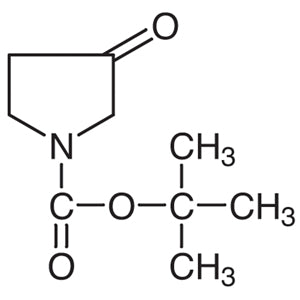
- TCI B3589 101385-93-7 1-tert-Butoxycarbonyl-3-pyrrolidone
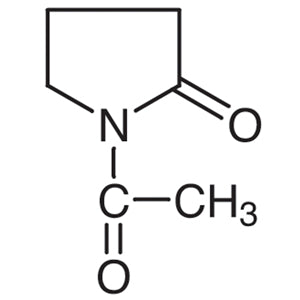
- TCI A1418 932-17-2 1-Acetyl-2-pyrrolidone
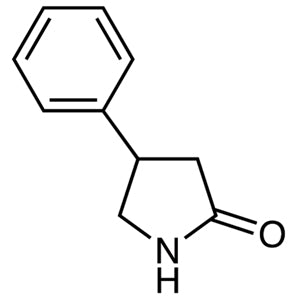
- TCI P2727 1198-97-6 4-Phenyl-2-pyrrolidone
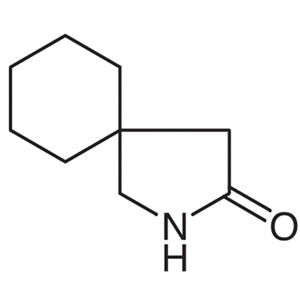
- TCI P1695 64744-50-9 4,4-Pentamethylene-2-pyrrolidone
- Organic synthesis applications benefit from 1-Ethyl-2-pyrrolidone’s ability to act as both a solvent and reagent, enabling efficient and controlled chemical reactions.
- Heterocyclic compound synthesis relies on this compound’s stability and solubility, allowing for precise reaction conditions and product formation.
- Purification and separation processes utilize its non-volatile nature and solubility properties to isolate target compounds effectively.
- Polymer chemistry research employs it as a solvent and cross-linking agent, enhancing the properties of synthesized polymers.
- Analytical chemistry procedures take advantage of its polarity and stability to dissolve and analyze complex organic mixtures accurately.
| Brand | TCI |
|---|---|
| CAS number | 2687-91-4 |
| Molecular formula | — |
| Purity | — |
| Category | Chemistry > Building Blocks > Heterocyclic Building Blocks |
| Pack sizes | Available in various sizes as per supplier specifications |
| Physical form | Liquid |
| Storage | Store in a cool, dry place away from direct sunlight and incompatible materials |
1-Ethyl-2-pyrrolidone should be stored in a cool, dry environment to maintain its chemical stability and prevent degradation. It is recommended to use airtight containers made of materials compatible with organic solvents, such as glass or high-density polyethylene. Avoid exposure to heat, light, and strong oxidizing agents to ensure long-term usability. In laboratory settings, proper ventilation is essential when handling this compound to minimize inhalation risks. Always follow standard safety protocols, including the use of personal protective equipment, to ensure safe handling and storage. Regular monitoring of storage conditions helps maintain the integrity of the compound and supports safe laboratory practices.
—
Produk Terkait
-
1-Vinyl-2-pyrrolidone(stabilizedwithN,N'-Di-sec-butyl-p-phenylenediamine) TCI V0026
Regular price From Rp 477.750,00Regular price -
1-tert-Butoxycarbonyl-3-cyano-4-pyrrolidone TCI B4761
Regular price From Rp 689.850,00Regular price -
1-tert-Butoxycarbonyl-3-pyrrolidone TCI B3589
Regular price From Rp 530.250,00Regular price -
1-Acetyl-2-pyrrolidone TCI A1418
Regular price From Rp 1.724.100,00Regular price -
4-Phenyl-2-pyrrolidone TCI P2727
Regular price From Rp 1.458.450,00Regular price -
4,4-Pentamethylene-2-pyrrolidone TCI P1695
Regular price Rp 875.700,00Regular price -
2-Pyrrolidone TCI P0575
Regular price From Rp 477.750,00Regular price -
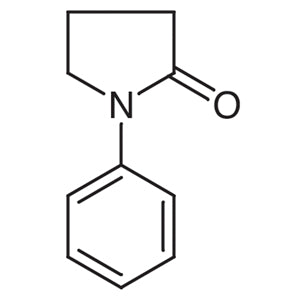
1-Phenyl-2-pyrrolidone TCI P0319
Regular price Rp 875.700,00Regular price