TCI E0361 with CAS number 15707-23-0 is 2-Ethyl-3-methylpyrazine, a liquid heterocyclic compound belonging to the class of alkyl-substituted pyrazines. Pyrazine is a six-membered aromatic ring carrying two nitrogen atoms in the para position, and its alkyl derivatives are widely recognised as aroma compounds that form naturally through the Maillard reaction during roasting processes. In the laboratory, this compound serves both as a reference material for the analysis of volatile compounds and as a heterocyclic building block in organic synthesis, supporting work that ranges from flavour characterisation to the preparation of more complex nitrogen-containing structures.
The characteristics that make this compound a preferred choice begin with its physical nature as a liquid at room temperature, combined with high volatility and an extremely low aroma detection threshold, which make it ideal for use as a reference compound in gas chromatography coupled with mass spectrometry. The pyrazine ring is less basic than pyridine because of the presence of two electron-withdrawing nitrogen atoms, and this property influences both its reaction behaviour and its chromatographic separation. The adjacent ethyl and methyl substituents produce a distinctive mass fragmentation pattern, so the compound is easily recognised among complex mixtures of volatile substances.
In Indonesian laboratories, this compound is typically encountered in food and beverage research groups, flavour and fragrance laboratories, and university chemistry departments where volatile profiling and heterocyclic synthesis are routine activities. Its role as an identification standard makes it a practical reference point when analysts build or verify compound libraries, while synthetic chemists draw on the same material when a substituted pyrazine scaffold is required for further functionalisation in method development work.
Related TCI products
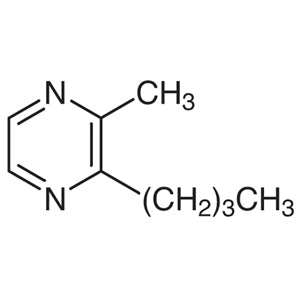
- TCI B1173 15987-00-5 2-Butyl-3-methylpyrazine
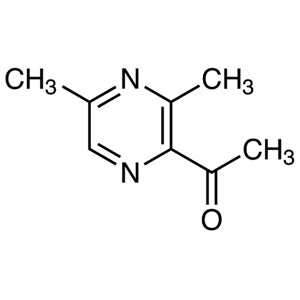
- TCI A3326 54300-08-2 2-Acetyl-3,5-dimethylpyrazine (contains 2-Acetyl-3,6-dimethylpyrazine)
- TCI A2992 5521-56-2 2-Amino-6-methylpyrazine
- TCI A2003 32974-92-8 2-Acetyl-3-ethylpyrazine
- TCI A1978 23787-80-6 2-Acetyl-3-methylpyrazine
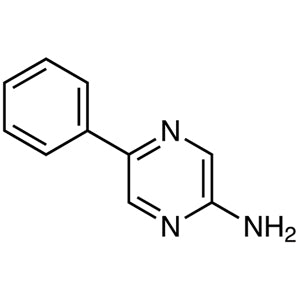
- TCI A1684 13535-13-2 2-Amino-5-phenylpyrazine
- Gas chromatography-mass spectrometry reference standard: the distinctive fragmentation pattern from its adjacent ethyl and methyl substituents allows reliable peak identification within complex volatile mixtures.
- Maillard reaction and roasting studies: as a pyrazine formed naturally during roasting, it serves as an authentic marker compound for tracking thermal flavour generation pathways in food systems.
- Flavour and aroma profiling: its extremely low aroma detection threshold makes it a meaningful reference when characterising the volatile fraction responsible for roasted and nutty sensory notes.
- Heterocyclic organic synthesis: the substituted pyrazine ring functions as a building block for constructing more elaborate nitrogen-containing heterocyclic structures in preparative chemistry.
- Chromatographic method development: the reduced basicity of the pyrazine ring relative to pyridine gives predictable separation behaviour useful when optimising columns and analytical conditions.
| Brand | TCI |
|---|---|
| CAS number | 15707-23-0 |
| Molecular formula | — |
| Purity | — |
| Category | Chemistry > Building Blocks > Heterocyclic Building Blocks |
| Pack sizes | available in standard TCI research-scale packaging; please confirm the current pack options when ordering |
| Physical form | liquid at room temperature, highly volatile |
| Storage | keep tightly closed in a cool, well-ventilated place away from heat and ignition sources |
- Chemical name: 2-Ethyl-3-methylpyrazine
Because 2-Ethyl-3-methylpyrazine is a volatile liquid, containers should be kept tightly sealed at all times to prevent evaporative loss and to avoid the escape of its strong aroma into the laboratory environment. Store in the original amber or tightly closed glass container in a cool, dry, well-ventilated area, away from heat, direct sunlight, and sources of ignition. Handle within a fume hood, and wear nitrile gloves, safety glasses, and a laboratory coat during transfer. Allow refrigerated material to reach room temperature before opening to prevent moisture condensation, and always consult the manufacturer's safety data sheet before first use.
—
Produk Terkait
-
2-Butyl-3-methylpyrazine TCI B1173
Regular price Rp 3.232.950,00Regular price -
2-Acetyl-3,5-dimethylpyrazine(contains2-Acetyl-3,6-dimethylpyrazine) TCI A3326
Regular price From Rp 1.326.150,00Regular price -
2-Amino-6-methylpyrazine TCI A2992
Regular price From Rp 903.000,00Regular price -
2-Acetyl-3-ethylpyrazine TCI A2003
Regular price From Rp 1.035.300,00Regular price -
2-Acetyl-3-methylpyrazine TCI A1978
Regular price Rp 1.035.300,00Regular price -
2-Amino-5-phenylpyrazine TCI A1684
Regular price From Rp 2.650.200,00Regular price -
2-(Aminomethyl)-5-methylpyrazine TCI A1154
Regular price Rp 6.413.400,00Regular price -
2-Acetylpyrazine TCI A0988
Regular price From Rp 1.035.300,00Regular price