3-Ethoxyacrylonitrile (cis- and trans- mixture) is a chemical compound widely used as a building block in organic synthesis. It serves as a versatile reagent in laboratory settings, enabling the creation of complex organic molecules through various chemical reactions. This compound is particularly valuable in the development of heterocyclic compounds, polymers, and pharmaceuticals due to its reactive functional groups. Its presence in the chemical toolbox of researchers makes it an essential component for those working in synthetic chemistry and material science.
The compound's reactivity stems from its nitrile and ethoxy groups, which participate in nucleophilic and electrophilic reactions. These properties make it a preferred choice for chemists seeking to introduce functional groups into larger molecular frameworks. Additionally, its ability to undergo multiple reaction pathways enhances its utility in synthetic routes. The compound’s volatility and sensitivity to temperature and humidity require careful handling, but its reactivity and versatility justify the precautions needed.
In Indonesian laboratories, 3-Ethoxyacrylonitrile is commonly used in organic chemistry research, especially in pharmaceutical and material science applications. Local researchers often rely on this compound to develop new drugs, polymers, and functional materials. Its role in advancing chemical synthesis in the region underscores its importance as a key reagent in academic and industrial research settings.
- Organic synthesis is a key application where 3-Ethoxyacrylonitrile is used to build complex molecular structures through nucleophilic and electrophilic reactions.
- Pharmaceutical research benefits from this compound due to its ability to participate in reactions that form heterocyclic rings essential in drug development.
- Polymer science utilizes this reagent to create functional polymers with tailored properties, enhancing material performance in various industries.
- Material development leverages its reactivity to synthesize advanced materials with specific chemical and physical characteristics.
- Academic research in chemistry relies on this compound for exploring new synthetic methodologies and reaction mechanisms.
| Brand | TCI |
|---|---|
| CAS number | 61310-53-0 |
| Molecular formula | — |
| Purity | — |
| Category | Chemistry > Building Blocks > Non-Heterocyclic Building Blocks |
| Pack sizes | — |
| Physical form | Liquid |
| Storage | Requires storage in a cool, dry place away from light and moisture |
This compound should be stored in a cool, dry environment, away from direct light and moisture to maintain its chemical stability. It is recommended to use airtight containers made of materials that are chemically inert to prevent degradation. Due to its volatility, it is important to ensure proper ventilation in the laboratory when handling this substance. Researchers should wear appropriate personal protective equipment, including gloves and safety goggles, to minimize exposure. The compound’s sensitivity to temperature and humidity necessitates careful monitoring during storage and use. Proper labeling and storage conditions are essential to ensure safety and maintain the compound’s effectiveness in laboratory applications.
—
Produk Terkait
-
4-Butylcyclohexylamine(cis-andtrans-mixture) TCI B4014
Regular price From Rp 3.392.550,00Regular price -
4-sec-Butylcyclohexylamine(cis-andtrans-mixture) TCI B4004
Regular price Rp 3.232.950,00Regular price -
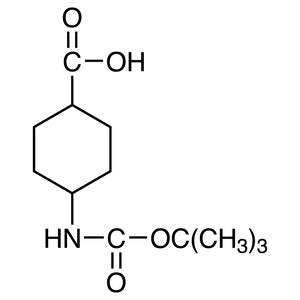
4-(tert-Butoxycarbonylamino)cyclohexanecarboxylicAcid(cis-andtrans-mixture) TCI B3248
Regular price From Rp 2.625.000,00Regular price -
4-tert-Butylcyclohexylamine(cis-andtrans-mixture) TCI B1084
Regular price From Rp 1.193.850,00Regular price -
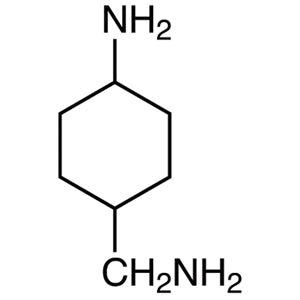
4-(Aminomethyl)cyclohexanamine(cis-andtrans-mixture) TCI A3258
Regular price From Rp 2.916.900,00Regular price -
4-(2-Aminoethyl)cyclohexylamine(cis-andtrans-mixture) TCI A2609
Regular price From Rp 3.180.450,00Regular price -
3,3,5-Trimethylcyclohexylamine(cis-andtrans-mixture) TCI T0601
Regular price Rp 2.121.000,00Regular price -
3-Methylcyclohexylamine(cis-andtrans-mixture) TCI M2105
Regular price From Rp 7.129.500,00Regular price