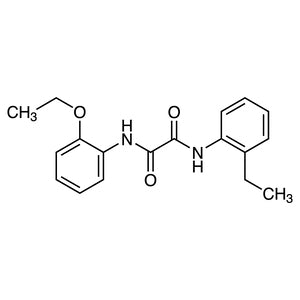
N1-(2-Ethoxyphenyl)-N2-(2-ethylphenyl)oxalamide is a chemical compound widely used as a building block in the synthesis of complex molecules. This material plays a crucial role in organic chemistry laboratories, where it serves as a versatile intermediate for creating new compounds with specific structural features. Its unique molecular structure, consisting of two phenyl groups connected by an oxalamide group, allows it to participate in a variety of chemical reactions. This compound is particularly valuable for researchers seeking to develop novel substances with tailored properties.
The compound’s reactivity and ability to form new bonds make it a preferred choice for synthetic chemists. Its predictable chemical behavior and stability under various reaction conditions contribute to its reliability in laboratory settings. The presence of both ethoxy and ethyl groups enhances its functional versatility, enabling it to undergo nucleophilic and electrophilic reactions. These characteristics make it an essential component in the development of pharmaceuticals and advanced materials.
In Indonesian laboratories, this compound is commonly used in organic chemistry research, especially in projects focused on synthesizing bioactive compounds. It is also integral to drug development studies, where its structural adaptability supports the creation of molecules with therapeutic potential. Its consistent performance and compatibility with standard laboratory procedures make it a trusted resource for researchers in both academic and industrial settings.
TCI brochures (PDF)
- Polymer Additives 2026-04-16 · p. 7
Related TCI products
- TCI A1549 3056-59-5 2-Ethylphenyl Acetate
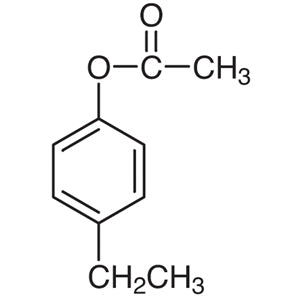
- TCI A1327 3245-23-6 4-Ethylphenyl Acetate
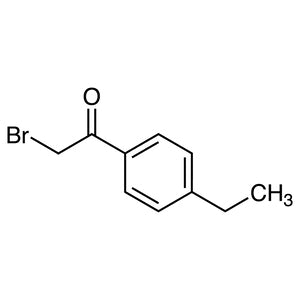
- TCI B6672 2632-14-6 2-Bromo-1-(4-ethylphenyl)ethan-1-one
- TCI T4315 6337-43-5 Tetraethyl 2,2'-[1,4-Phenylenebis(methaneylylidene)]dimalonate
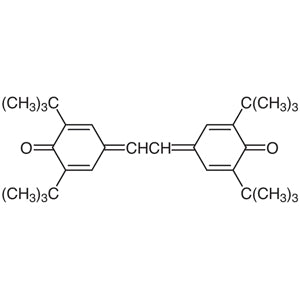
- TCI T1067 809-73-4 3,3',5,5'-Tetra-tert-butyl-4,4'-stilbenequinone
- TCI T0118 131-55-5 2,2',4,4'-Tetrahydroxybenzophenone
- Organic synthesis projects benefit from this compound due to its ability to participate in diverse chemical reactions, enabling the creation of complex molecular structures.
- Pharmaceutical research utilizes this material for developing new drugs, as its structural versatility supports the synthesis of bioactive compounds with therapeutic applications.
- Material science studies incorporate this compound to design advanced polymers and functional materials, leveraging its reactivity and chemical stability.
- Analytical chemistry experiments use this compound as a reference standard for evaluating reaction mechanisms and chemical behavior under different conditions.
- Environmental chemistry research employs this material to study the degradation pathways of synthetic compounds in various environmental matrices.
| Brand | TCI |
|---|---|
| CAS number | 23949-66-8 |
| Molecular formula | — |
| Purity | — |
| Category | Chemistry > Building Blocks > Non-Heterocyclic Building Blocks |
| Pack sizes | Available in standard laboratory quantities as per supplier specifications |
| Physical form | Solid, crystalline appearance |
| Storage | Store in a cool, dry place away from direct sunlight and moisture |
This compound should be stored in a cool, dry environment to maintain its chemical integrity and prevent degradation. It is recommended to use airtight containers made of glass or high-density polyethylene to protect it from moisture and air exposure. Due to its reactivity, it should be handled in a well-ventilated area, with appropriate personal protective equipment such as gloves and safety goggles. Avoid contact with incompatible substances like strong acids or bases. Regular monitoring of storage conditions ensures optimal performance and safety in laboratory settings.
—
Produk Terkait
-
2-EthylphenylAcetate TCI A1549
Regular price From Rp 1.115.100,00Regular price -
4-EthylphenylAcetate TCI A1327
Regular price Rp 3.312.750,00Regular price -
2-Bromo-1-(4-ethylphenyl)ethan-1-one TCI B6672
Regular price From Rp 1.193.850,00Regular price -
Tetraethyl2,2'-[1,4-Phenylenebis(methaneylylidene)]dimalonate TCI T4315
Regular price From Rp 928.200,00Regular price -
3,3',5,5'-Tetra-tert-butyl-4,4'-stilbenequinone TCI T1067
Regular price From Rp 6.360.900,00Regular price -
2,2',4,4'-Tetrahydroxybenzophenone TCI T0118
Regular price Rp 928.200,00Regular price -
Methyl3-(3,5-Di-tert-butyl-4-hydroxyphenyl)propionate TCI M1810
Regular price From Rp 557.550,00Regular price -
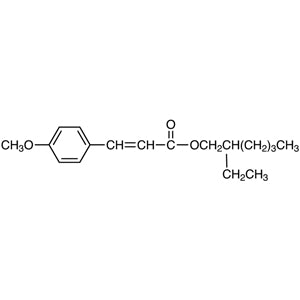
2-Ethylhexyl4-Methoxycinnamate TCI M1082
Regular price From Rp 1.060.500,00Regular price

![6337-43-5 Tetraethyl 2,2'-[1,4-Phenylenebis(methaneylylidene)]dimalonate - AMI Scientific](http://amiscientific.com/cdn/shop/files/TCI2510T4315.jpg?v=1767145058&width=533)