


Lithium Formate Monohydrate (LiHCOO·H₂O) is a chemical compound widely used in laboratory settings for its versatility and stability. As a building block in chemical synthesis, it plays a crucial role in the creation of both organic and inorganic compounds. This compound is particularly valuable in reactions involving lithium ions, where its simple ionic structure allows for predictable and controlled chemical behavior. Its presence in various synthetic pathways makes it an essential reagent for researchers aiming to develop new materials or pharmaceutical compounds.
One of the key reasons for its popularity is its chemical neutrality and low reactivity with other substances. This characteristic simplifies handling and storage, making it a preferred choice for laboratory use. Additionally, Lithium Formate Monohydrate exhibits good solubility in water, which facilitates its use in aqueous-based reactions. Its stability under controlled conditions further enhances its reliability in experimental processes. These properties collectively contribute to its widespread adoption in scientific research.
In Indonesian laboratories, Lithium Formate Monohydrate is commonly used in chemical research across multiple disciplines, including pharmaceutical development, material science, and analytical chemistry. Its role in synthesizing compounds with specific properties, such as high ionic strength or solubility, makes it an indispensable tool for researchers. The compound’s ease of use and predictable behavior ensure that it remains a key component in the chemical toolkit of Indonesian scientific institutions.
TCI brochures (PDF)
- Lithium Compounds for Research and Experimental Use 2026-02-10 · p. 2
- Metallic Salts 2025-11-06 · p. 11
- Pharmaceutical research utilizes Lithium Formate Monohydrate for synthesizing compounds with specific ionic properties, aiding in drug development and formulation.
- Material science applications benefit from its stability and solubility, enabling the creation of new materials with tailored chemical properties.
- Analytical chemistry relies on its predictable behavior in aqueous solutions for accurate and reproducible experimental outcomes.
- Organic synthesis processes frequently incorporate this compound due to its role in facilitating controlled reactions with lithium ions.
- Environmental testing uses it as a reagent in the analysis of ionic compounds, ensuring precise measurement of chemical components in samples.
| Brand | TCI |
|---|---|
| CAS number | 6108-23-2 |
| Molecular formula | — |
| Purity | — |
| Category | Chemistry > Building Blocks > Non-Heterocyclic Building Blocks |
| Pack sizes | Available in various quantities as per supplier specifications |
| Physical form | Solid, crystalline powder |
| Storage | Store in a cool, dry place away from moisture and direct sunlight |
Lithium Formate Monohydrate should be stored in a cool, dry environment to maintain its chemical stability. It is recommended to keep the compound in airtight containers to prevent moisture absorption, which could affect its solubility and reactivity. Due to its neutral chemical nature, it is generally safe to handle with standard laboratory precautions. However, it is advisable to use appropriate personal protective equipment, such as gloves and safety goggles, when working with it. The compound does not require special storage conditions beyond those typical for most inorganic salts, making it easy to manage in a standard laboratory setting. Its stable properties ensure that it remains a reliable and practical choice for chemical research.
—
Produk Terkait
-
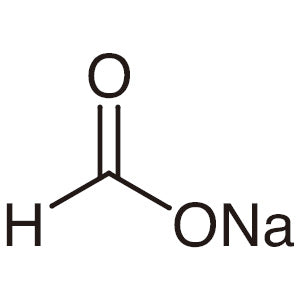
SodiumFormate TCI S0807
Regular price From Rp 505.050,00Regular priceRp 464.100,00Sale price From Rp 505.050,00 -
PotassiumFormate TCI P3246
Regular price From Rp 584.850,00Regular priceRp 408.450,00Sale price From Rp 584.850,00 -
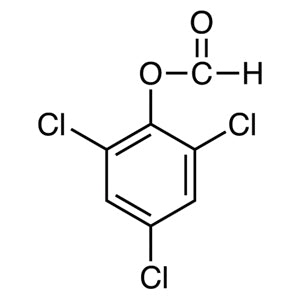
2,4,6-TrichlorophenylFormate TCI T3121
Regular price From Rp 769.650,00Regular priceRp 537.600,00Sale price From Rp 769.650,00 -
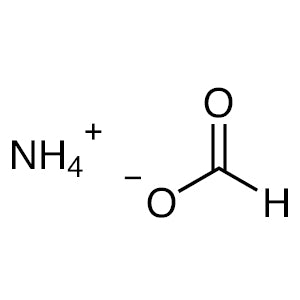
AmmoniumFormate TCI A3378
Regular price From Rp 823.200,00Regular priceRp 575.400,00Sale price From Rp 823.200,00 -
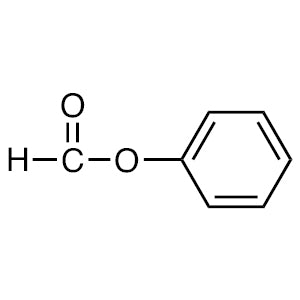
PhenylFormate TCI P2770
Regular price From Rp 2.199.750,00Regular priceRp 1.538.250,00Sale price From Rp 2.199.750,00 -
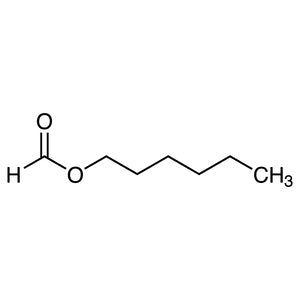
HexylFormate TCI H1271
Regular price Rp 743.400,00Regular priceRp 519.750,00Sale price Rp 743.400,00 -
2-PhenylethylFormate TCI F0363
Regular price From Rp 477.750,00Regular priceRp 333.900,00Sale price From Rp 477.750,00 -
CyanomethylFormate[FormylatingReagent] TCI F0356
Regular price From Rp 3.074.400,00Regular priceRp 2.165.100,00Sale price From Rp 3.074.400,00








![TCI F0356 150760-95-5 Cyanomethyl Formate [Formylating Reagent]](http://amiscientific.com/cdn/shop/files/TCI2510F0356_438a3312-9ef1-425e-9cae-1de87d85ca1f.jpg?v=1792642203&width=533)
![Cyanomethyl Formate [Formylating Reagent] (CAS 150760-95-5) - TCI F0356 - AMI Scientific](http://amiscientific.com/cdn/shop/files/TCI2510F0356.jpg?v=1767113591&width=533)