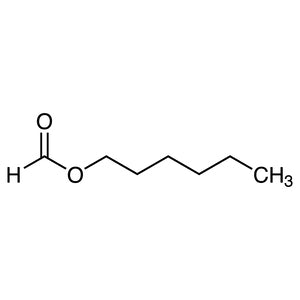
Potassium Formate from TCI (product code P3246) is the potassium salt of formic acid, a simple compound with the formula HCOOK that bridges inorganic and organic chemistry. In the laboratory it is known as a convenient hydride source and hydrogen donor, especially in transfer hydrogenation and metal-catalysed reduction reactions. Beyond organic synthesis, potassium formate also serves as a buffer component, a source of formate ions, and a material for applied research such as high-density fluids and formate-based hydrogen storage systems.
Researchers choose potassium formate because, for many reduction reactions, it is safer and easier to use than pressurised hydrogen gas. The salt is highly soluble in water and works in polar solvent systems, which suits environmentally friendly reaction conditions. With the help of catalysts such as palladium or ruthenium, the formate ion releases hydrogen, and carbon dioxide is the by-product. The material is hygroscopic, so it needs careful handling. That same property reflects its high solubility, which helps when preparing concentrated research solutions.
In Indonesia, potassium formate is used in university chemistry laboratories, pharmaceutical and fine-chemical research and development, and materials science groups. It suits teams that want a practical reducing agent without the infrastructure needed for hydrogen gas cylinders. It also helps academic groups exploring green chemistry and hydrogen-carrier systems. Because it comes from TCI, a well-known reagent brand, laboratories can use it in routine synthesis, method development, and teaching experiments that need dependable, consistent reagent quality.
TCI brochures (PDF)
- Metallic Salts 2025-11-06 · p. 11
- Transfer hydrogenation: potassium formate acts as a practical hydrogen donor, so researchers can reduce unsaturated bonds and functional groups without handling pressurised hydrogen gas or specialised high-pressure equipment.
- Metal-catalysed reductions: with palladium or ruthenium catalysts, the formate ion releases hydrogen in situ, and the only gaseous by-product is carbon dioxide, which is easy to remove.
- Buffer preparation: as a salt of formic acid, it is a useful component of formate buffer solutions for analytical work, chromatography mobile phases, and other pH-controlled experiments.
- Formate ion source: its high water solubility makes it a convenient, easily dissolved source of formate ions for studying reaction mechanisms, coordination chemistry, and ionic-strength effects.
- Applied materials research: researchers studying high-density fluids and formate-based hydrogen storage systems use it because it forms concentrated aqueous solutions and can take part in reversible hydrogen release.
| Brand | TCI (product code P3246) |
|---|---|
| CAS number | 590-29-4 |
| Molecular formula | — |
| Purity | — |
| Category | Chemistry > Building Blocks > Non-Heterocyclic Building Blocks |
| Pack sizes | please confirm the available pack sizes with AMI Scientific |
| Physical form | solid salt (HCOOK); hygroscopic and highly soluble in water |
| Storage | keep in a tightly closed container in a dry place, protected from moisture |
Because potassium formate is hygroscopic, store it in its original tightly sealed container, or in an airtight glass or compatible plastic container, in a cool, dry, well-ventilated area. A desiccator is a good choice once the container has been opened. Keep it away from strong oxidising agents and strong acids, since acids can release formic acid. Reseal the container promptly after each use to limit moisture uptake. Follow standard laboratory precautions: wear safety glasses, gloves, and a lab coat, avoid creating or breathing in dust, and work in a well-ventilated area or fume hood. Read the supplier's Safety Data Sheet before use and dispose of waste according to local regulations.
—
Produk Terkait
-
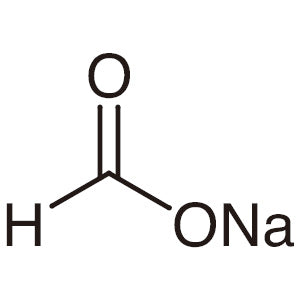
SodiumFormate TCI S0807
Regular price From Rp 505.050,00Regular priceRp 464.100,00Sale price From Rp 505.050,00 -
LithiumFormateMonohydrate TCI F0171
Regular price From Rp 1.936.200,00Regular priceRp 1.353.450,00Sale price From Rp 1.936.200,00 -
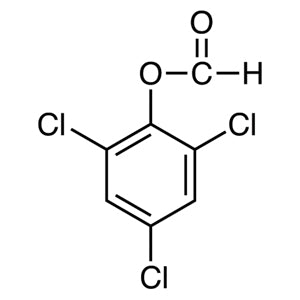
2,4,6-TrichlorophenylFormate TCI T3121
Regular price From Rp 769.650,00Regular priceRp 537.600,00Sale price From Rp 769.650,00 -
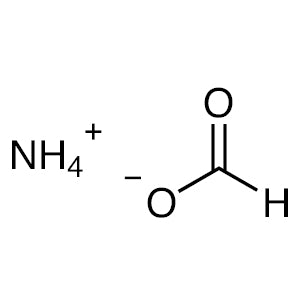
AmmoniumFormate TCI A3378
Regular price From Rp 823.200,00Regular priceRp 575.400,00Sale price From Rp 823.200,00 -
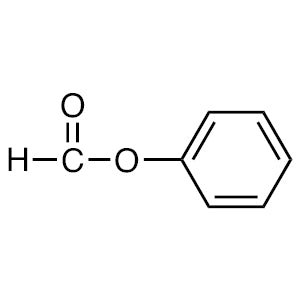
PhenylFormate TCI P2770
Regular price From Rp 2.199.750,00Regular priceRp 1.538.250,00Sale price From Rp 2.199.750,00 -
HexylFormate TCI H1271
Regular price Rp 743.400,00Regular priceRp 519.750,00Sale price Rp 743.400,00 -
2-PhenylethylFormate TCI F0363
Regular price From Rp 477.750,00Regular priceRp 333.900,00Sale price From Rp 477.750,00 -
CyanomethylFormate[FormylatingReagent] TCI F0356
Regular price From Rp 3.074.400,00Regular priceRp 2.165.100,00Sale price From Rp 3.074.400,00