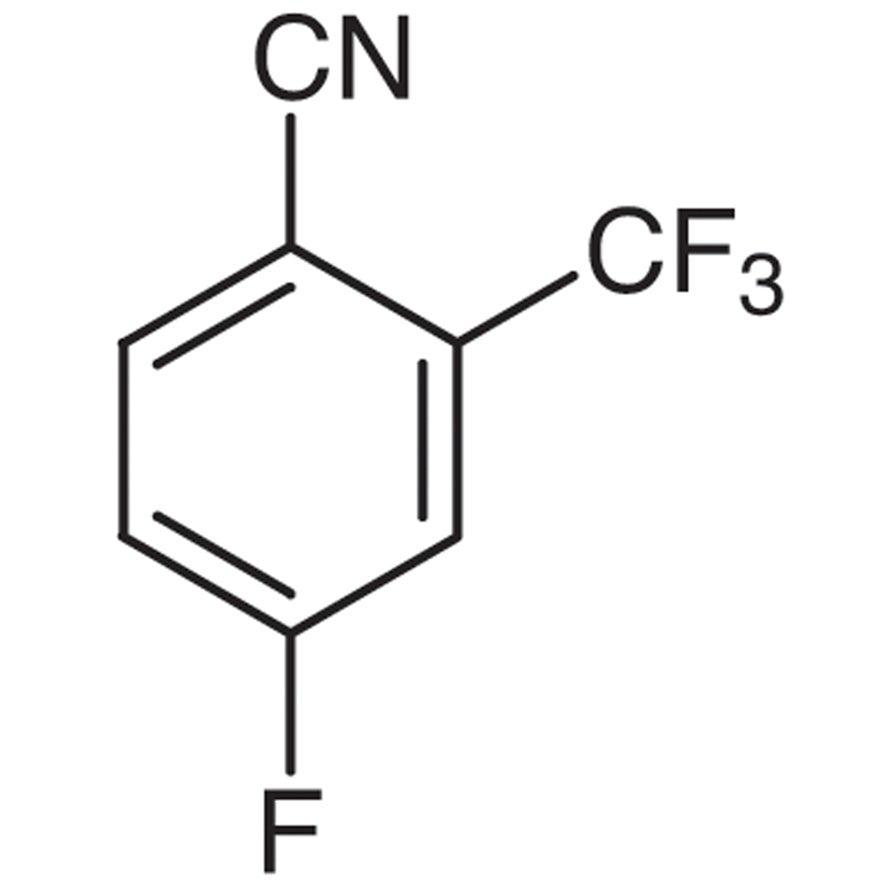
4-Fluoro-2-(trifluoromethyl)benzonitrile is a fluorinated building block widely used in synthetic chemistry for constructing complex molecular structures. This compound plays a crucial role in organic laboratories, where it serves as a versatile intermediate in the development of new chemical compounds. Its unique fluorinated structure enables it to participate in various substitution and functionalization reactions, making it an essential tool for researchers working on advanced chemical synthesis. Due to its stability and reactivity, it is frequently employed in the creation of pharmaceuticals, agrochemicals, and specialty materials.
The compound’s fluorinated groups significantly influence its chemical behavior, offering enhanced reactivity and selectivity in synthetic processes. The presence of three fluorine atoms in the trifluoromethyl group and one fluorine atom at the 4-position contributes to its distinct chemical properties. These characteristics make it a preferred choice for applications requiring precise control over molecular structure and functionality. Its ability to undergo a wide range of chemical transformations further enhances its utility in both academic and industrial research settings.
In Indonesian laboratories, 4-Fluoro-2-(trifluoromethyl)benzonitrile is commonly used in organic chemistry research and the synthesis of new compounds. It is a valuable resource for universities and research institutions focused on drug discovery, material science, and chemical innovation. Its availability and reliability make it a key component in the development of advanced chemical products and scientific advancements in the region.
Related TCI products
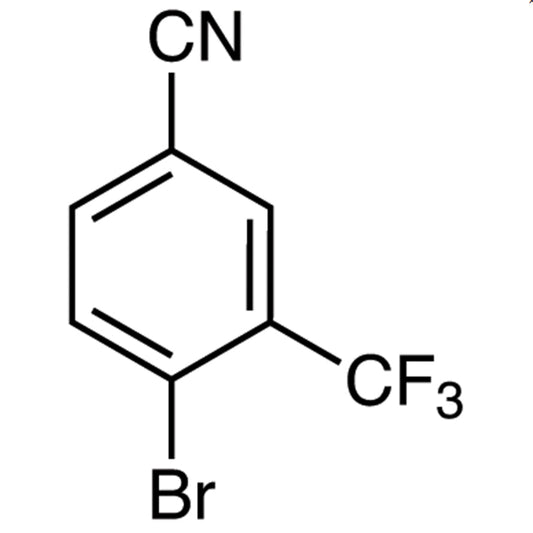
- TCI B4691 1735-53-1 4-Bromo-3-(trifluoromethyl)benzonitrile
- TCI B1896 27126-93-8 3,5-Bis(trifluoromethyl)benzonitrile
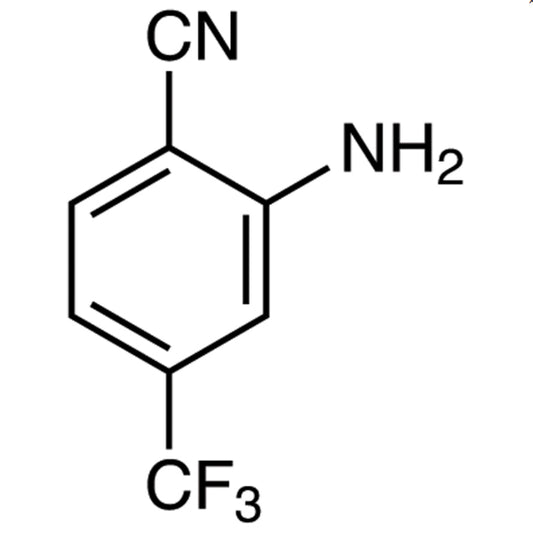
- TCI A2648 1483-54-1 2-Amino-4-(trifluoromethyl)benzonitrile
- TCI A2644 327-74-2 4-Amino-3-(trifluoromethyl)benzonitrile
- TCI N1068 320-47-8 4-Nitro-2-(trifluoromethyl)benzonitrile
- TCI I1018 101066-87-9 4-Iodo-2-(trifluoromethyl)benzonitrile
- Organic synthesis applications benefit from this compound’s reactivity and structural versatility, enabling the creation of complex molecules with precise fluorine positioning.
- Pharmaceutical research utilizes it for the development of novel drug candidates, leveraging its fluorinated structure to enhance compound stability and bioavailability.
- Material science studies employ it in the synthesis of specialty polymers and coatings, where fluorinated groups improve surface properties and chemical resistance.
- Academic research institutions use it as a building block in teaching and experimental protocols, demonstrating advanced synthetic techniques in fluorinated chemistry.
- Industrial chemical production incorporates it in the manufacture of agrochemicals and specialty chemicals, where its unique properties contribute to product performance and efficiency.
| Brand | TCI |
|---|---|
| CAS number | 194853-86-6 |
| Molecular formula | — |
| Purity | — |
| Category | Chemistry > Building Blocks > Fluorinated Building Blocks |
| Pack sizes | Available in various quantities as per supplier specifications |
| Physical form | Liquid or solid, depending on the specific product variant |
| Storage | Store in a cool, dry place away from direct sunlight and moisture |
This compound should be stored in a cool, dry environment, away from direct sunlight and sources of heat. It is recommended to use airtight containers made of materials compatible with its chemical properties, such as glass or high-density polyethylene. Due to its fluorinated nature, it may require special handling precautions to prevent contamination or unintended reactions. Always ensure proper ventilation when working with this material, and avoid exposure to incompatible substances. Laboratory personnel should follow standard safety protocols, including the use of personal protective equipment, to minimize risk during handling and storage.
—
Produk Terkait
-
4-Bromo-3-(trifluoromethyl)benzonitrile TCI B4691
Regular price From Rp 2.147.250,00Regular price -
3,5-Bis(trifluoromethyl)benzonitrile TCI B1896
Regular price From Rp 2.041.200,00Regular price -
2-Amino-4-(trifluoromethyl)benzonitrile TCI A2648
Regular price From Rp 1.220.100,00Regular price -
4-Amino-3-(trifluoromethyl)benzonitrile TCI A2644
Regular price From Rp 823.200,00Regular price -
4-Nitro-2-(trifluoromethyl)benzonitrile TCI N1068
Regular price Rp 1.060.500,00Regular price -
4-Iodo-2-(trifluoromethyl)benzonitrile TCI I1018
Regular price From Rp 1.618.050,00Regular price -
2-Fluoro-5-(4,4,5,5-tetramethyl-1,3,2-dioxaborolan-2-yl)benzonitrile TCI F1253
Regular price From Rp 1.193.850,00Regular price -
2-Fluoro-3-(trifluoromethyl)benzonitrile TCI F1125
Regular price From Rp 637.350,00Regular price