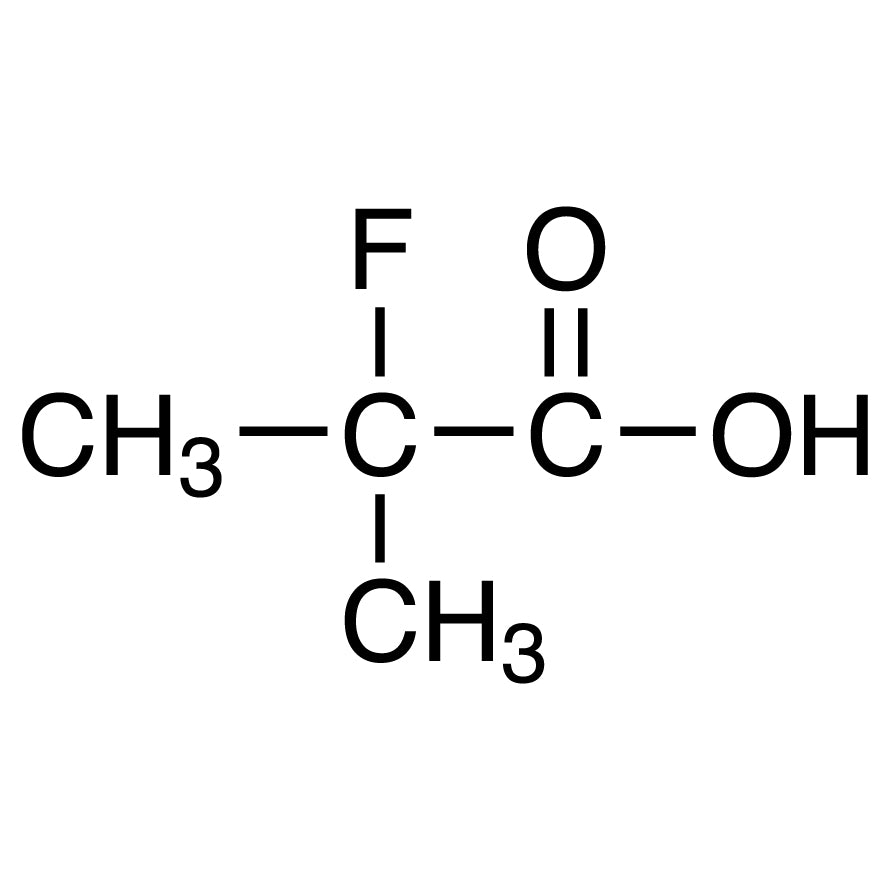
2-Fluoro-2-methylpropanoic Acid is a chemical compound widely utilized in organic synthesis reactions within laboratory settings. This versatile reagent plays a crucial role in the development of new compounds, particularly in pharmaceutical and industrial chemical research. Its unique molecular structure, featuring both a fluorine group and a carboxylic acid group, contributes to its reactivity and functional versatility. This compound is essential for chemists aiming to explore novel synthetic pathways and functional group transformations.
The compound's chemical properties make it a preferred choice in various synthetic processes. The presence of the fluorine atom significantly influences its polarity and solubility characteristics, making it suitable for reactions requiring specific solvation and reactivity conditions. Its ability to participate in substitution, esterification, and other organic reactions enhances its utility in laboratory applications. The reactivity of 2-Fluoro-2-methylpropanoic Acid is particularly valuable when working with strong reagents or under controlled temperature conditions.
In Indonesian laboratories, this compound is frequently used in organic chemistry research, especially in pharmaceutical and industrial chemical development. Its role in creating new compounds with potential applications in medicine and industry makes it a key component in many research projects. The compound's stability under certain conditions and its reactivity under others ensure its continued relevance in chemical synthesis and innovation.
Related TCI products
- TCI B5213 537050-14-9 2-Bromo-4'-fluoro-3'-(trifluoromethyl)acetophenone
- TCI B5074 749927-69-3 4-Bromo-2-fluoro-N-methylbenzamide
- TCI B4872 10472-88-5 2-Bromo-4-fluoro-6-nitroaniline
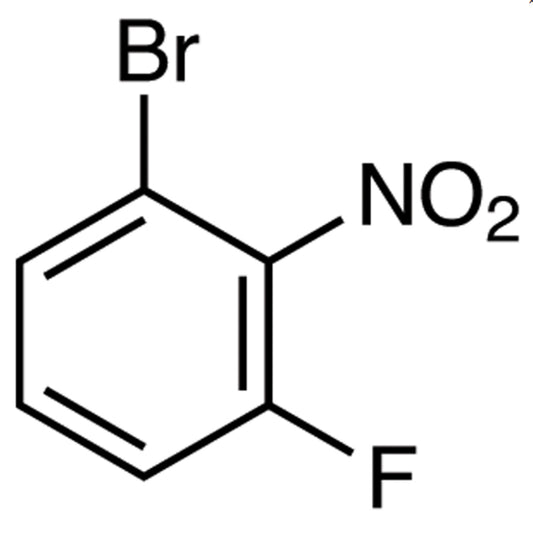
- TCI B4842 886762-70-5 1-Bromo-3-fluoro-2-nitrobenzene
- TCI B4237 362670-07-3 N2-(tert-Butoxycarbonyl)-4-fluoro-1,2-phenylenediamine
- TCI B4236 579474-47-8 N1-(tert-Butoxycarbonyl)-4-fluoro-1,2-phenylenediamine
- Organic synthesis in pharmaceutical research due to its reactivity and functional group versatility.
- Development of industrial chemicals where fluorinated compounds are required for specific properties.
- Synthesis of fluorinated derivatives for use in agrochemicals and specialty chemicals.
- Functional group transformations in organic chemistry laboratories requiring controlled reactivity.
- Research into new chemical compounds for medical and industrial applications due to its chemical stability and solubility characteristics.
| Brand | TCI |
|---|---|
| CAS number | 63812-15-7 |
| Molecular formula | — |
| Purity | — |
| Category | Chemistry > Building Blocks > Fluorinated Building Blocks |
| Pack sizes | Available in various quantities as per supplier specifications |
| Physical form | Liquid or crystalline, depending on purity and storage conditions |
| Storage | Store in a cool, dry place away from direct sunlight and incompatible materials |
This compound should be stored in a cool, dry environment, away from direct sunlight and sources of heat. It is recommended to use sealed containers made of materials compatible with its chemical properties, such as glass or high-density polyethylene. Due to its reactivity, it should be kept away from strong oxidizing agents and incompatible substances. Laboratory personnel should wear appropriate personal protective equipment, including gloves and safety goggles, when handling this material. Proper ventilation is essential to minimize exposure to vapors. Regular monitoring of storage conditions ensures the compound remains stable and safe for use in research applications.
—
Produk Terkait
-
2-Bromo-4'-fluoro-3'-(trifluoromethyl)acetophenone TCI B5213
Regular price From Rp 505.050,00Regular price -
4-Bromo-2-fluoro-N-methylbenzamide TCI B5074
Regular price From Rp 1.035.300,00Regular price -
2-Bromo-4-fluoro-6-nitroaniline TCI B4872
Regular price Rp 1.140.300,00Regular price -
1-Bromo-3-fluoro-2-nitrobenzene TCI B4842
Regular price From Rp 1.273.650,00Regular price -
N2-(tert-Butoxycarbonyl)-4-fluoro-1,2-phenylenediamine TCI B4237
Regular price From Rp 980.700,00Regular price -
N1-(tert-Butoxycarbonyl)-4-fluoro-1,2-phenylenediamine TCI B4236
Regular price From Rp 1.326.150,00Regular price -
1-Bromo-3-fluoro-4-(trifluoromethoxy)benzene TCI B3808
Regular price From Rp 689.850,00Regular price -
4-Bromo-2-fluoro-1-nitrobenzene TCI B3062
Regular price From Rp 1.538.250,00Regular price