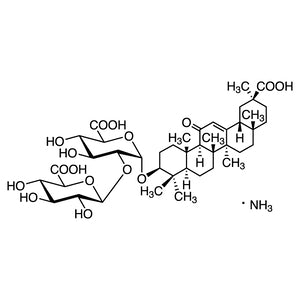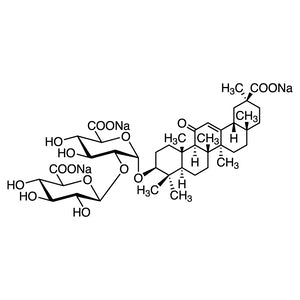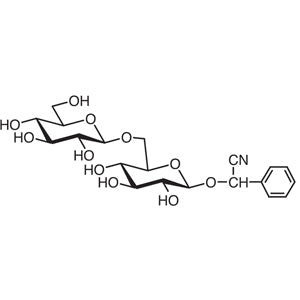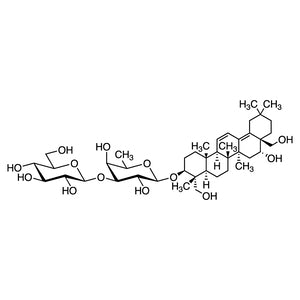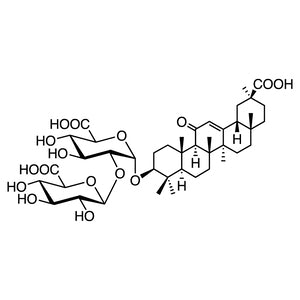
Glycyrrhizin TCI G0150, with CAS number 1405-86-3, is a chemical compound widely used in laboratory research across chemistry and biological sciences. Derived from the root of the licorice plant *Glycyrrhiza glabra*, this compound is valued for its diverse pharmacological properties. It plays a crucial role in various studies, including anti-inflammatory, antiviral, and antitumor research. Its presence in laboratories supports the development of new drugs and the analysis of active compounds, making it an essential tool for scientific investigation.
One of the key reasons Glycyrrhizin is preferred in laboratories is its molecular structure, which consists of a complex glycoside. This structure contributes to its solubility and stability, allowing it to interact effectively with proteins and enzymes. These interactions make it highly suitable for molecular interaction studies. Additionally, its high purity and consistent quality ensure reliable results in experiments, making it a trusted choice for researchers seeking reproducible outcomes.
In Indonesian laboratories, Glycyrrhizin is commonly used in applied research projects. It is integral to the development of modern traditional medicines, the analysis of active compounds from plants, and pharmacological studies. Its versatility and reliability have made it a staple in both academic and industrial research settings, supporting a wide range of scientific inquiries.
TCI brochures (PDF)
- NLRP3 Inflammasome Inhibitors 2025-04-11 · p. 1
- Obesity_Diabete Research Reagents 2026-07-10 · p. 1
- Traditional Medicine/Crude Medicine Research Reagents 2024-09-11 · p. 1
- Terpenes 2025-09-22 · p. 9
- Plant Research Reagents 2026-02-24 · p. 8
- Phytochemicals 2025-12-17 · p. 6
- Anti-inflammatory research benefits from Glycyrrhizin’s ability to modulate inflammatory pathways, making it ideal for studying its therapeutic effects.
- Antiviral studies utilize Glycyrrhizin due to its potential to inhibit viral replication, supporting research into viral infection mechanisms.
- Antitumor investigations rely on Glycyrrhizin’s capacity to interfere with cancer cell growth, aiding in the development of novel therapeutic strategies.
- Molecular interaction studies benefit from its ability to bind with proteins and enzymes, providing insights into biochemical processes.
- Drug development projects use Glycyrrhizin as a starting material for synthesizing new compounds, supporting pharmaceutical innovation.
| Brand | TCI |
|---|---|
| CAS number | 1405-86-3 |
| Molecular formula | — |
| Purity | — |
| Category | Chemistry > Chemical Biology > Glycoscience |
| Pack sizes | Available in various quantities as per standard laboratory requirements |
| Physical form | Solid powder |
| Storage | Store in a cool, dry place away from light and moisture |
Glycyrrhizin should be stored in a cool, dry environment, away from direct light and moisture to maintain its stability and purity. It is recommended to use airtight containers to prevent contamination and degradation. Due to its chemical nature, it should be handled with appropriate personal protective equipment, such as gloves and safety goggles, to ensure laboratory safety. Proper labeling of storage containers is essential for traceability and safe handling. Regular monitoring of storage conditions ensures the compound remains suitable for use in research applications. Always follow standard laboratory safety protocols when working with this compound to minimize risks and ensure optimal performance in experiments.
—
Product Categories
- GlycoscienceDisaccharides [Glycoscience]
- GlycoscienceFunctional OligosaccharidesNatural Glycosides [Functional Oligosaccharides]
- GlycoscienceOligosaccharides by Component SugarGlucuronic Acids [Oligosaccharides by Component Sugar]
- Biochemicals and ReagentsCarbohydrates
- Biochemicals and ReagentsCrude Medicine Ingredients for Research and Experimental Use
- Biochemicals and ReagentsTerpenesTriterpenes
- Cell BiologyImmune System, Inflammation, Allergy ResearchNLRP3 Inflammasome Inhibitors
- Cell BiologyNutrition ResearchPhytochemicals
- Cell BiologyNutrition ResearchSweetener Research Reagents (for Experimental Use)
- Cell BiologyObesity and Diabetes ResearchSweetener Research Reagents (for Experimental Use)
- Pharmaceutical Development and Drug Discovery ResearchCrude Medicine Ingredients for Research and Experimental Use
Produk Terkait
-
DipotassiumGlycyrrhizinate TCI G0270
Regular price Rp 1.590.750,00Regular price -
MonoammoniumGlycyrrhizinate TCI G0151
Regular price Rp 717.150,00Regular price -
TrisodiumGlycyrrhizinate TCI G0217
Regular price Rp 3.976.350,00Regular price -
MonoammoniumGlycyrrhizinate TCI M3857
Regular price From Rp 610.050,00Regular price -
Stevioside TCI S0594
Regular price Rp 2.677.500,00Regular price -
Amygdalin TCI A0443
Regular price From Rp 477.750,00Regular price -
SaikosaponinB2 TCI A3610
Regular price Rp 6.386.100,00Regular price -
SaikosaponinA TCI A3408
Regular price From Rp 2.359.350,00Regular price