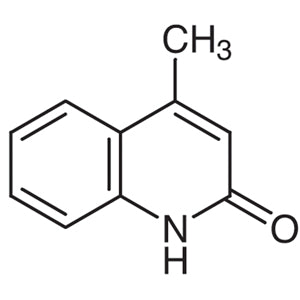
4-Methylcarbostyril is a chemical compound widely used in organic reactions, particularly in the synthesis of heterocyclic compounds. As a building block, it plays a crucial role in the development of complex molecular structures within chemical laboratories. This compound is commonly found in research settings where the creation of new chemical entities is required. Its versatility makes it an essential tool for chemists working on diverse synthetic pathways.
One of the key properties that make 4-Methylcarbostyril a preferred choice is its stable molecular structure combined with moderate reactivity. The presence of a carboxyl group allows it to participate in various chemical reactions, including nucleophilic and electrophilic substitutions. These characteristics enable it to be used in a wide range of synthetic transformations, making it a valuable resource for researchers. Additionally, its chemical functionality supports the design of compounds with specific biological or material properties.
In Indonesian laboratories, 4-Methylcarbostyril is extensively used in organic chemistry research, especially in the field of heterocyclic synthesis and drug development. Its relevance lies in its ability to contribute to the creation of complex molecules with defined chemical functions. This compound is particularly useful for studies involving the development of new pharmaceuticals and specialty chemicals. Its application is well-suited to the needs of modern chemical research in Indonesia.
Related TCI products
- TCI I1054 491-30-5 Isocarbostyril
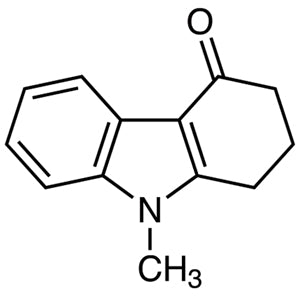
- TCI T2942 27387-31-1 1,2,3,4-Tetrahydro-9-methylcarbazol-4-one
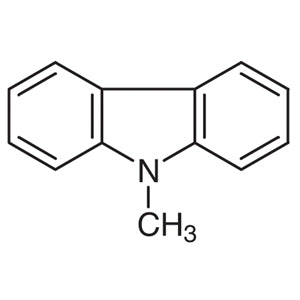
- TCI M0960 1484-12-4 9-Methylcarbazole
- TCI D4512 5599-50-8 3,6-Dimethylcarbazole
- TCI E0578 81380-24-7 9-Ethylcarbazole-3-carboxaldehyde N-Ethyl-N-(m-tolyl)hydrazone
- TCI E0577 1274948-12-7 9-Ethylcarbazole-3-carboxaldehyde N-Ethyl-N-(o-tolyl)hydrazone
- Heterocyclic Compound Synthesis: 4-Methylcarbostyril is ideal for creating complex ring structures due to its reactive functional groups.
- Organic Chemistry Research: Its versatility supports a wide range of synthetic reactions, making it a go-to compound for researchers.
- Drug Development: The compound's ability to form specific chemical functions makes it valuable in pharmaceutical research.
- Material Science Studies: Its chemical properties allow it to be used in the development of new materials with tailored characteristics.
- Chemical Education: It is often used in teaching labs to demonstrate organic reaction mechanisms and synthetic strategies.
| Brand | TCI |
|---|---|
| CAS number | 607-66-9 |
| Molecular formula | — |
| Purity | — |
| Category | Chemistry > Building Blocks > Heterocyclic Building Blocks |
| Pack sizes | Available in standard laboratory quantities |
| Physical form | Solid, crystalline appearance |
| Storage | Store in a cool, dry place away from moisture and light |
4-Methylcarbostyril should be stored in a cool, dry environment to maintain its chemical stability. It is recommended to keep it in a sealed container to prevent exposure to moisture and air. Due to its reactivity, it should be handled in a well-ventilated area to minimize any potential hazards. Proper personal protective equipment, such as gloves and safety goggles, should be worn when handling the compound. Avoid direct contact with skin or inhalation of vapors. Storage away from incompatible substances is essential to ensure laboratory safety.
—
Produk Terkait
-
Isocarbostyril TCI I1054
Regular price From Rp 1.326.150,00Regular price -
1,2,3,4-Tetrahydro-9-methylcarbazol-4-one TCI T2942
Regular price From Rp 769.650,00Regular price -
9-Methylcarbazole TCI M0960
Regular price From Rp 1.749.300,00Regular price -
3,6-Dimethylcarbazole TCI D4512
Regular price From Rp 6.175.050,00Regular price -
9-Ethylcarbazole-3-carboxaldehydeN-Ethyl-N-(m-tolyl)hydrazone TCI E0578
Regular price Rp 2.942.100,00Regular price -
9-Ethylcarbazole-3-carboxaldehydeN-Ethyl-N-(o-tolyl)hydrazone TCI E0577
Regular price Rp 2.942.100,00Regular price -
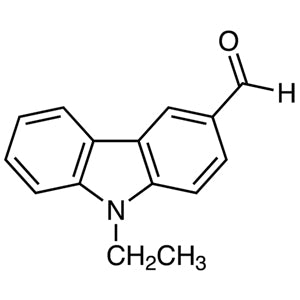
N-Ethylcarbazole-3-carboxaldehyde TCI E0359
Regular price From Rp 1.140.300,00Regular price -
9-Ethylcarbazole TCI E0247
Regular price Rp 1.220.100,00Regular price