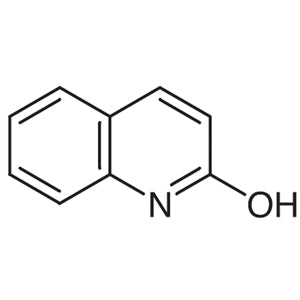
2-Quinolinol is a chemical compound classified under heterocyclic compounds, widely used in various chemical reactions and the synthesis of complex molecules. It features an aromatic ring structure with a hydroxyl group at the 2-position, giving it polar characteristics and high reactivity. This compound plays a crucial role in laboratory settings, particularly in the development of pharmaceuticals, industrial chemicals, and new material research. Its versatility makes it an essential building block for chemists and researchers working on advanced molecular structures.
The unique properties of 2-Quinolinol, including its polar nature and reactivity, make it a preferred choice in synthetic chemistry. It is highly soluble in organic solvents such as ethyl acetate and ethanol, facilitating easy mixing and reaction processes. Its ability to participate in substitution and oxidation reactions further enhances its utility in laboratory applications. Due to its chemical stability under certain conditions, it remains a reliable reagent for a wide range of chemical transformations.
In Indonesian laboratories, 2-Quinolinol is commonly used by chemists, pharmacologists, and material scientists. It supports research in drug synthesis, industrial chemical production, and the development of new materials. Its availability through AMI Scientific ensures that researchers have access to this essential compound for their experimental needs.
- Drug synthesis and pharmaceutical research due to its reactivity and structural versatility in creating complex organic molecules.
- Industrial chemical production as a key building block in the development of various chemical compounds and intermediates.
- Material science research for the synthesis of new polymers and functional materials with specific chemical properties.
- Organic chemistry experiments involving substitution and oxidation reactions due to its polar nature and solubility in organic solvents.
- Analytical chemistry applications for use as a standard or reagent in qualitative and quantitative analysis procedures.
| Brand | TCI |
|---|---|
| CAS number | 59-31-4 |
| Molecular formula | — |
| Purity | — |
| Category | Chemistry > Building Blocks > Heterocyclic Building Blocks |
| Pack sizes | Available in various quantities as per supplier specifications |
| Physical form | Solid or liquid depending on the specific product variant |
| Storage | Store in a cool, dry place away from light and incompatible substances |
2-Quinolinol should be stored in a cool, dry place, away from direct light and incompatible substances such as strong oxidizing agents. It is recommended to use airtight containers made of glass or polyethylene to prevent contamination and maintain chemical stability. Due to its reactivity, it should be handled with care, using appropriate personal protective equipment such as gloves and safety goggles. Avoid exposure to heat or open flames to prevent potential hazards. In laboratory settings, proper ventilation is essential to minimize inhalation risks. Regular monitoring of storage conditions ensures the compound remains effective for its intended applications.
—
Produk Terkait
-
3-Quinolinol TCI Q0094
Regular price From Rp 1.167.600,00Regular price -
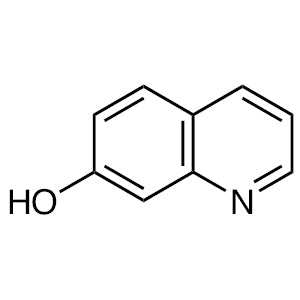
7-Quinolinol TCI Q0084
Regular price Rp 3.021.900,00Regular price -
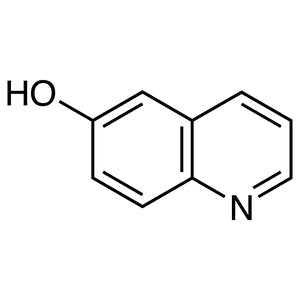
6-Quinolinol TCI Q0060
Regular price From Rp 1.670.550,00Regular price -
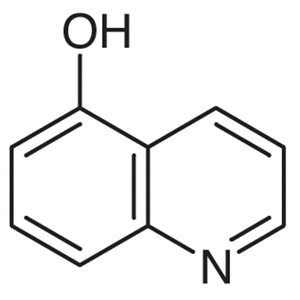
5-Quinolinol TCI Q0059
Regular price From Rp 1.273.650,00Regular price -
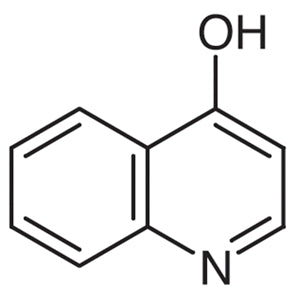
4-Quinolinol TCI Q0029
Regular price From Rp 1.776.600,00Regular price -
8-QuinolinolSulfateMonohydrate TCI Q0017
Regular price From Rp 1.060.500,00Regular price -
3-Nitro-4-quinolinol TCI N0992
Regular price From Rp 689.850,00Regular price -
2-Methyl-4-quinolinol TCI M2620
Regular price From Rp 3.075.450,00Regular price