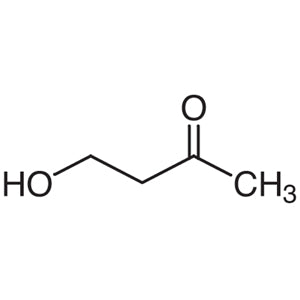
4-Hydroxy-2-butanone is a bifunctional compound built on a four-carbon backbone that carries a ketone group at the second position and a primary hydroxyl group at the end of the chain. The presence of two different functional groups within a single small molecule makes it a highly useful building block in organic synthesis laboratories, because users can react one group first while protecting or leaving the other available for a subsequent transformation. The compound is supplied as a liquid and is available in several pack sizes so that it can be matched to different experimental scales.
The properties that make this compound a preferred choice are the combination of accessible functional groups and straightforward handling. The hydroxyl group sits beta to the carbonyl, which makes the compound a direct precursor to unsaturated ketones through dehydration, and it is therefore frequently used as a source of Michael acceptors generated in situ without the need to store a more reactive compound. The primary hydroxyl group is also readily esterified, etherified, or oxidized, while the ketone group is ready to undergo aldol condensation, reductive amination, or heterocyclic ring formation.
In Indonesian laboratories, this building block is typically used in university and institutional organic synthesis groups, in research units developing intermediates, and in analytical or method development work where a small bifunctional substrate is needed. The availability of multiple pack sizes allows a laboratory to order a modest quantity for exploratory reactions or a larger quantity for repeated preparative runs, which suits the mixed teaching and research workload common in academic and industrial laboratories across Indonesia.
Related TCI products
- Michael acceptor generation: the beta-hydroxy ketone structure dehydrates to give an unsaturated ketone in situ, letting workers avoid storing the more reactive acceptor compound directly.
- Aldol condensation studies: the ketone group participates readily in aldol chemistry, giving a reliable substrate for teaching laboratories and for method development on carbon-carbon bond formation.
- Heterocyclic ring construction: the ketone can be carried into ring-forming reactions, which supports research groups preparing heterocyclic scaffolds from simple non-heterocyclic starting materials.
- Selective functional group work: chemists react the primary hydroxyl through esterification, etherification, or oxidation while leaving the ketone intact for a later, separately planned transformation step.
- Reductive amination routes: the carbonyl group undergoes reductive amination to introduce nitrogen, giving access to amino alcohol type intermediates from an inexpensive and readily handled precursor.
| Brand | TCI |
|---|---|
| CAS number | 590-90-9 |
| Molecular formula | — |
| Purity | — |
| Category | Chemistry > Building Blocks > Non-Heterocyclic Building Blocks |
| Pack sizes | available in several pack sizes to suit different experimental scales |
| Physical form | liquid |
| Storage | store according to the conditions stated on the manufacturer label and the accompanying safety data sheet |
Keep the container tightly closed and store it in a cool, dry, well-ventilated place away from heat sources, ignition sources, and direct sunlight, following the storage conditions stated on the manufacturer label and safety data sheet. Because the material is a liquid, retain it in its original chemically compatible container and transfer it only with clean, dry glassware to avoid contamination. Handle it inside a fume hood, wear safety glasses, gloves, and a laboratory coat, and avoid contact with skin, eyes, and clothing. Label any secondary container clearly, keep the compound separated from strong oxidizing agents, and dispose of residues and contaminated materials through the laboratory's established chemical waste procedure.
—
Produk Terkait
-
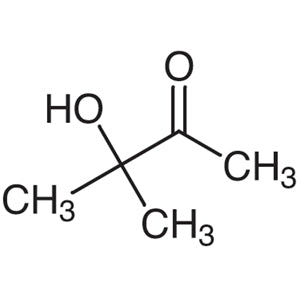
3-Hydroxy-3-methyl-2-butanone TCI H0471
Regular price From Rp 4.929.750,00Regular price -
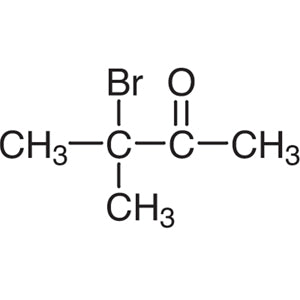
3-Bromo-3-methyl-2-butanone TCI B3258
Regular price From Rp 2.227.050,00Regular price -
1-Bromo-3,3-dimethyl-2-butanone TCI B1490
Regular price From Rp 2.094.750,00Regular price -
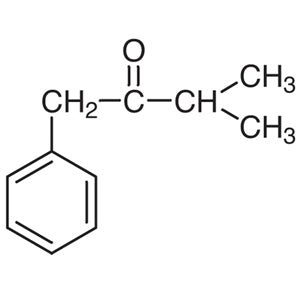
3-Methyl-1-phenyl-2-butanone TCI B1029
Regular price From Rp 4.133.850,00Regular price -
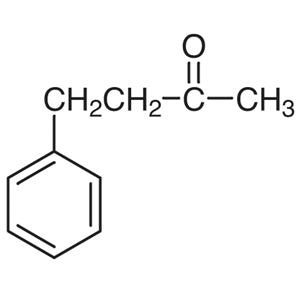
4-Phenyl-2-butanone TCI B0405
Regular price From Rp 769.650,00Regular price -
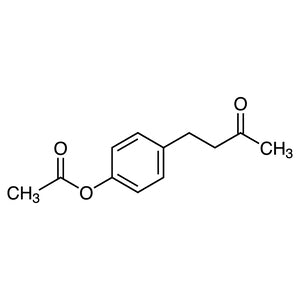
4-(4-Acetoxyphenyl)-2-butanone TCI A2368
Regular price Rp 1.298.850,00Regular price -
1-Phenyl-2-butanone TCI P0971
Regular price From Rp 3.870.300,00Regular price -
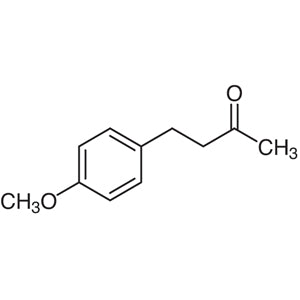
4-(4-Methoxyphenyl)-2-butanone TCI M0756
Regular price Rp 955.500,00Regular price