


4-(11-Hydroxyundecyloxy)benzaldehyde is a chemical compound widely used in organic synthesis reactions within laboratory settings. This compound serves as a key building block in the development of complex molecules, particularly in pharmaceutical and materials science research. Its unique molecular structure, combining an aldehyde group with a long hydroxyalkoxy chain, allows for versatile chemical modifications, making it a valuable resource for synthetic chemists. Due to its functional group diversity, it is often employed in the creation of compounds with specific biological or material properties.
The compound's chemical and physical properties make it a preferred choice for researchers. Its stability under controlled conditions ensures reliable performance during synthesis processes. The presence of both hydroxyl and aldehyde functionalities enables it to participate in a variety of reaction mechanisms, including condensation, oxidation, and reduction. These characteristics allow for precise control over the synthetic pathway, which is essential for the development of new compounds with targeted applications. Additionally, its solubility in common organic solvents enhances its usability in various laboratory protocols.
In Indonesian laboratories, 4-(11-Hydroxyundecyloxy)benzaldehyde is commonly used in organic chemistry research, especially in pharmaceutical and material science projects. Its role in the synthesis of bioactive compounds and advanced materials makes it a staple in academic and industrial research environments. With its high purity and consistent quality, it supports the development of innovative chemical solutions that meet the needs of modern scientific inquiry.
Related TCI products
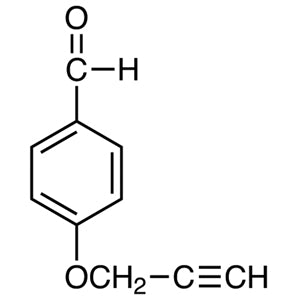
- TCI P2339 5651-86-5 4-(Propargyloxy)benzaldehyde
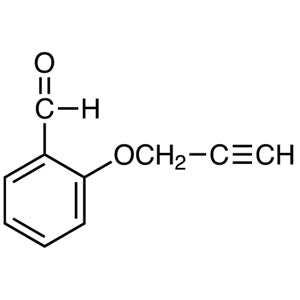
- TCI P2338 29978-83-4 2-(Propargyloxy)benzaldehyde
- TCI M3066 5779-98-6 4-Methoxy-3-(methoxymethoxy)benzaldehyde
- TCI H1844 1201-91-8 4-[(2-Hydroxyethyl)(methyl)amino]benzaldehyde
- TCI H0859 22042-73-5 4-(2-Hydroxyethoxy)benzaldehyde
- TCI H0858 60345-97-3 3-(2-Hydroxyethoxy)benzaldehyde
- Organic synthesis is a primary application where this compound serves as a versatile building block for creating complex molecules.
- Pharmaceutical research benefits from its ability to participate in various chemical reactions, aiding in the development of new drug candidates.
- Material science applications leverage its functional groups for the synthesis of advanced polymers and coatings.
- Analytical chemistry uses it as a standard for calibration and as a reference compound in spectroscopic studies.
- Industrial chemical processes incorporate it for the production of specialty chemicals with specific functional properties.
| Brand | TCI |
|---|---|
| CAS number | 124389-14-6 |
| Molecular formula | — |
| Purity | — |
| Category | Chemistry > Building Blocks > Non-Heterocyclic Building Blocks |
| Pack sizes | Available in various quantities as per standard laboratory supply formats |
| Physical form | Solid or liquid, depending on the specific product variant |
| Storage | Store in a cool, dry place away from direct sunlight and moisture |
This compound should be stored in a cool, dry environment to maintain its chemical integrity. It is recommended to use airtight containers to prevent exposure to moisture and air, which could affect its stability. Due to its potential reactivity, it should be handled in a well-ventilated area, preferably under a fume hood. Avoid contact with incompatible substances such as strong oxidizing agents. Proper personal protective equipment, including gloves and safety goggles, should always be worn when handling this material. Regular monitoring of storage conditions ensures the compound remains suitable for use in laboratory applications.
—
Produk Terkait
-
4-(Propargyloxy)benzaldehyde TCI P2339
Regular price From Rp 1.458.450,00Regular price -
2-(Propargyloxy)benzaldehyde TCI P2338
Regular price From Rp 717.150,00Regular price -
4-Methoxy-3-(methoxymethoxy)benzaldehyde TCI M3066
Regular price Rp 3.976.350,00Regular price -
4-[(2-Hydroxyethyl)(methyl)amino]benzaldehyde TCI H1844
Regular price From Rp 1.510.950,00Regular price -
4-(2-Hydroxyethoxy)benzaldehyde TCI H0859
Regular price From Rp 1.060.500,00Regular price -
3-(2-Hydroxyethoxy)benzaldehyde TCI H0858
Regular price From Rp 1.298.850,00Regular price -
2-(2-Hydroxyethoxy)benzaldehyde TCI H0857
Regular price From Rp 1.405.950,00Regular price -
3,4,5-Tris(dodecyloxy)benzoicAcid TCI T3606
Regular price Rp 3.738.000,00Regular price

![1201-91-8 4-[(2-Hydroxyethyl)(methyl)amino]benzaldehyde - AMI Scientific](http://amiscientific.com/cdn/shop/files/TCI2510H1844.jpg?v=1767118605&width=533)


