4-Hydroxy-3,5-dimethoxyphenylacetic Acid is a chemical compound widely used as a foundational building block in the synthesis of complex molecules, particularly in the field of organic chemistry. Its aromatic structure, combined with hydroxyl and methoxy substituents, makes it a versatile intermediate for various chemical reactions. In laboratory settings, this compound plays a crucial role in the development of pharmaceuticals, dyes, and other specialty chemicals. Its chemical stability and solubility in organic solvents further enhance its utility in synthetic processes.
The compound’s unique molecular structure provides high reactivity, making it ideal for substitution reactions, esterification, and other molecular modifications. The presence of hydroxyl and methoxy groups significantly influences its chemical behavior, enabling it to participate in a wide range of synthetic pathways. These properties make it a preferred choice for researchers aiming to design and synthesize new compounds with specific functional groups. Its compatibility with various reaction conditions and reagents also contributes to its popularity in both academic and industrial research.
In Indonesian laboratories, 4-Hydroxy-3,5-dimethoxyphenylacetic Acid is commonly used in organic chemistry research, particularly in higher education institutions and research centers. Its application spans across pharmaceutical development, material science, and analytical chemistry. Due to its broad utility and chemical versatility, it remains a sought-after compound for scientists and researchers working on complex molecular synthesis projects.
Related TCI products
- Organic synthesis is a primary application where this compound serves as a key intermediate in the creation of complex molecules due to its aromatic structure and functional groups.
- Pharmaceutical research benefits from its use in the development of new drugs, as it can be modified to produce bioactive compounds with therapeutic potential.
- Dye and pigment formulation utilizes its aromatic and substituent properties to create colorants with specific chemical stability and solubility characteristics.
- Analytical chemistry applications involve its use as a reference standard for spectroscopic and chromatographic analysis due to its well-defined molecular structure.
- Material science research employs this compound in the synthesis of polymers and specialty chemicals, leveraging its reactivity and functional group versatility.
| Brand | TCI |
|---|---|
| CAS number | 4385-56-2 |
| Molecular formula | — |
| Purity | — |
| Category | Chemistry > Building Blocks > Non-Heterocyclic Building Blocks |
| Pack sizes | Available in various quantities to meet research and production needs |
| Physical form | Solid, typically in crystalline or powder form |
| Storage | Store in a cool, dry place away from light and moisture |
This compound should be stored in a cool, dry environment, away from direct light and moisture to maintain its chemical integrity. It is recommended to use airtight containers made of glass or high-density polyethylene to prevent contamination and degradation. Due to its reactivity, it should be handled with appropriate personal protective equipment, such as gloves and safety goggles, to ensure laboratory safety. Avoid exposure to strong oxidizing agents or incompatible substances to prevent unwanted chemical reactions. Regular monitoring of storage conditions is advised to ensure optimal performance and safety in laboratory settings.
—
Produk Terkait
-
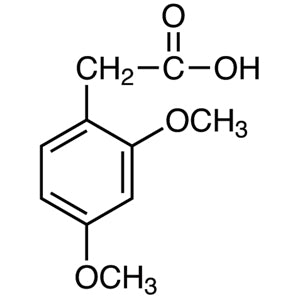
2,4-DimethoxyphenylaceticAcid TCI D4106
Regular price Rp 1.936.200,00Regular price -
3,5-DimethoxyphenylaceticAcid TCI D2950
Regular price From Rp 1.035.300,00Regular price -
2,5-DimethoxyphenylaceticAcid TCI D1445
Regular price From Rp 1.273.650,00Regular price -
3,4-Dimethoxyphenylacetone TCI V0052
Regular price From Rp 1.193.850,00Regular price -
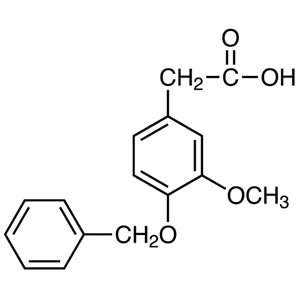
4-Benzyloxy-3-methoxyphenylaceticAcid TCI B4800
Regular price Rp 2.518.950,00Regular price -
4-ButoxyphenylaceticAcid TCI B4742
Regular price From Rp 1.060.500,00Regular price -
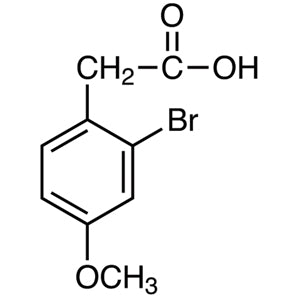
2-Bromo-4-methoxyphenylaceticAcid TCI B4737
Regular price From Rp 848.400,00Regular price -
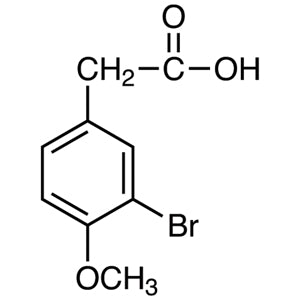
3-Bromo-4-methoxyphenylaceticAcid TCI B4677
Regular price From Rp 689.850,00Regular price