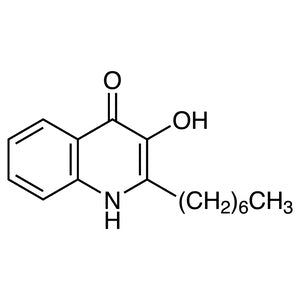
2-Heptyl-3-hydroxyquinolin-4(1H)-one (CAS 108985-27-9) is a quinolone alkaloid widely recognised in microbiology as a quorum sensing signalling molecule — part of the cell-to-cell communication system bacteria use to coordinate group behaviour. The compound is produced by the bacterium *Pseudomonas aeruginosa*, where it takes part in regulating the expression of a number of virulence factors as well as biofilm formation. In the laboratory it serves both as a reference standard and as a test compound in studies of bacterial pathogenesis, quorum sensing inhibition, and the development of anti-virulence strategies.
What makes this material valuable is its highly specific biological activity at low concentrations. The quinolone core structure, carrying a hydroxyl group at the three position and a heptyl chain at the two position, provides a balance between lipophilic character that eases membrane penetration and the ability to bind receptor proteins selectively. The compound is also known to bind iron ions, a property that links it to the regulation of iron availability within bacterial communities. Because it acts at very small concentrations, a 10 mg pack is generally sufficient for many experimental series.
In Indonesian laboratories, this compound is typically used in university microbiology and biochemistry research groups, hospital and institutional research units, and screening laboratories working on bacterial infection. It suits work where a well-defined signalling molecule is needed as a positive control or as the substance under test, and where small working quantities are the norm because activity is expressed at low concentrations rather than in bulk.
Related TCI products
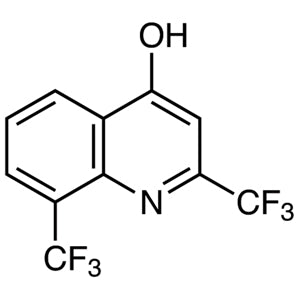
- TCI B3714 35853-41-9 2,8-Bis(trifluoromethyl)-4-hydroxyquinoline
- TCI B3324 1198-14-7 5-Bromo-8-hydroxyquinoline
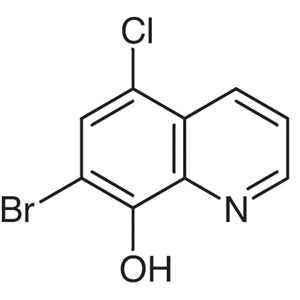
- TCI B1190 7640-33-7 7-Bromo-5-chloro-8-hydroxyquinoline
- TCI A1005 21302-43-2 5-Amino-8-hydroxyquinoline Dihydrochloride
- TCI H1713 14510-06-6 8-Hydroxyquinoline-2-carbaldehyde
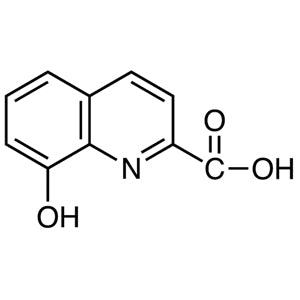
- TCI H1658 1571-30-8 8-Hydroxyquinoline-2-carboxylic Acid
- Quorum sensing research — used as a defined signalling molecule to study how *Pseudomonas aeruginosa* coordinates group behaviour through cell-to-cell communication pathways.
- Virulence factor studies — applied as a test compound when examining how this signal regulates the expression of bacterial virulence factors under controlled experimental conditions.
- Biofilm formation assays — employed in experiments that follow the contribution of quinolone signalling to the establishment and behaviour of bacterial biofilms.
- Anti-virulence strategy development — serves as the reference agonist against which candidate quorum sensing inhibitors and anti-virulence compounds are assessed during screening.
- Analytical reference standard — supplied as a defined standard for identification and confirmation work in studies of bacterial pathogenesis and signalling metabolites.
| Brand | TCI |
|---|---|
| CAS number | 108985-27-9 |
| Molecular formula | — |
| Purity | — |
| Category | Life Science > Biochemicals and Reagents > Bioactive Compounds |
| Pack sizes | 10 mg, generally sufficient for many experimental series given activity at low concentrations |
| Physical form | — |
| Storage | store according to the conditions stated on the manufacturer's label and safety data sheet |
- Chemical class: quinolone alkaloid, quorum sensing signalling molecule
Store the container in accordance with the conditions printed on the manufacturer's label and safety data sheet, keeping it tightly closed and protected from moisture and direct light. Because the material is supplied in a small quantity and is active at low concentrations, it should be kept in its original vial or in a well-sealed container of comparable quality, clearly labelled with the compound name and CAS number. Handle in a properly ventilated laboratory area using standard personal protective equipment — laboratory coat, safety glasses, and suitable gloves. Weigh and prepare solutions carefully to avoid loss of material and cross-contamination, and consult the safety data sheet before first use and before disposal.
—
Produk Terkait
-
2,8-Bis(trifluoromethyl)-4-hydroxyquinoline TCI B3714
Regular price Rp 903.000,00Regular price -
5-Bromo-8-hydroxyquinoline TCI B3324
Regular price Rp 3.870.300,00Regular price -
7-Bromo-5-chloro-8-hydroxyquinoline TCI B1190
Regular price From Rp 1.353.450,00Regular price -
5-Amino-8-hydroxyquinolineDihydrochloride TCI A1005
Regular price From Rp 3.312.750,00Regular price -
8-Hydroxyquinoline-2-carbaldehyde TCI H1713
Regular price From Rp 848.400,00Regular price -
8-Hydroxyquinoline-2-carboxylicAcid TCI H1658
Regular price From Rp 2.439.150,00Regular price -
8-HydroxyquinolineN-Oxide TCI H1272
Regular price From Rp 1.353.450,00Regular price -
2-Hydroxyquinoline-4-carboxylicAcid TCI H1016
Regular price From Rp 1.670.550,00Regular price