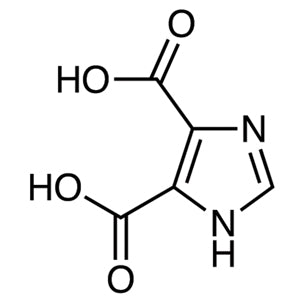
1H-Imidazole-4,5-dicarboxylic Acid is a chemical compound widely used in scientific research, particularly in the fields of organic chemistry and material science. This compound plays a crucial role in the synthesis of complex molecules, especially in the development of Metal Organic Frameworks (MOFs). Its unique structure enables it to act as a bridging ligand between metal ions and organic groups, facilitating the formation of highly stable and porous materials. Due to its versatility, it is a key component in various experimental setups where structural and functional properties of materials need to be optimized.
The compound's molecular structure, featuring two carboxylate groups and one imidazole group, contributes to its high reactivity and ability to coordinate with a variety of metal ions. These characteristics make it an ideal choice for researchers aiming to design advanced materials with tailored properties. Its chemical stability and ease of manipulation further enhance its appeal in laboratory settings, where precision and reproducibility are essential.
In Indonesian laboratories, 1H-Imidazole-4,5-dicarboxylic Acid is commonly used in material science, chemical synthesis, and environmental research. It serves as a foundational material for developing MOFs, which are applied in gas storage, catalysis, and filtration technologies. Its presence in research projects highlights its importance in advancing scientific innovation and practical applications within the local scientific community.
- Metal Organic Frameworks (MOFs) synthesis: This compound is ideal for creating MOFs due to its ability to form stable metal-ligand bonds, enabling the construction of porous materials with high surface area and tunable properties.
- Catalytic reactions: Its reactivity and coordination ability make it suitable for catalytic processes, where it can act as a ligand to enhance reaction efficiency and selectivity.
- Material characterization studies: It is used in the development of new materials, allowing researchers to test and optimize the properties of advanced composites and hybrid materials.
- Environmental research: The compound is employed in studies related to pollutant adsorption and remediation, leveraging its structural versatility and chemical stability.
- Organic synthesis: It serves as a building block in the synthesis of complex organic molecules, contributing to the development of new pharmaceuticals and functional materials.
| Brand | TCI |
|---|---|
| CAS number | 570-22-9 |
| Molecular formula | — |
| Purity | — |
| Category | Materials Science > Organic-Inorganic Hybrid Materials > Metal Organic Frameworks (MOF) and Their Raw Materials |
| Pack sizes | Available in various quantities as per supplier specifications |
| Physical form | Solid powder |
| Storage | Store in a cool, dry place away from moisture and direct sunlight |
This compound should be stored in a cool, dry environment to maintain its chemical integrity and prevent degradation. It is recommended to use airtight containers to protect it from moisture and humidity, which can affect its reactivity and stability. Proper labeling of containers is essential for safe handling and to avoid cross-contamination. In laboratory settings, it should be handled with appropriate personal protective equipment, such as gloves and safety goggles, to ensure safety during synthesis and experimentation. Regular monitoring of storage conditions is advised to ensure optimal preservation of the material for research applications.
—
Produk Terkait
-
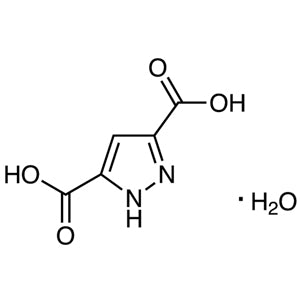
Pyrazole-3,5-dicarboxylicAcidMonohydrate TCI P1048
Regular price From Rp 1.431.150,00Regular price -
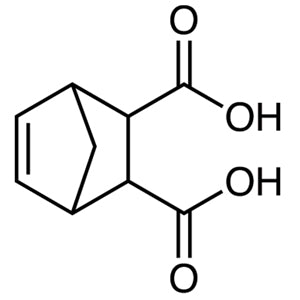
5-Norbornene-2,3-dicarboxylicAcid TCI N1029
Regular price From Rp 1.273.650,00Regular price -
Anthraquinone-2,3-dicarboxylicAcid TCI A1681
Regular price Rp 9.461.550,00Regular price -
Azobenzene-4,4'-dicarboxylicAcid TCI A1596
Regular price From Rp 3.419.850,00Regular price -
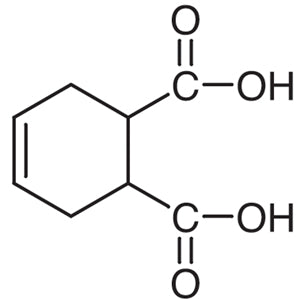
cis-4-Cyclohexene-1,2-dicarboxylicAcid TCI C0492
Regular price From Rp 875.700,00Regular price -
Bicyclo[2.2.2]octane-1,4-dicarboxylicAcid TCI B5595
Regular price Rp 4.957.050,00Regular price -
AcetylenedicarboxylicAcid TCI A0088
Regular price From Rp 1.167.600,00Regular price -
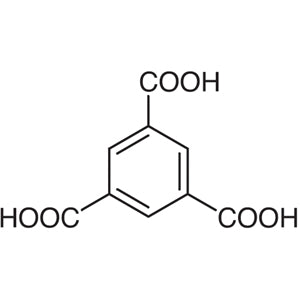
1,3,5-BenzenetricarboxylicAcid TCI B0043
Regular price From Rp 1.035.300,00Regular price


![Bicyclo[2.2.2]octane-1,4-dicarboxylic Acid (CAS 711-02-4) - TCI B5595 - AMI Scientific](http://amiscientific.com/cdn/shop/files/TCI2510B5595.jpg?v=1767092548&width=533)