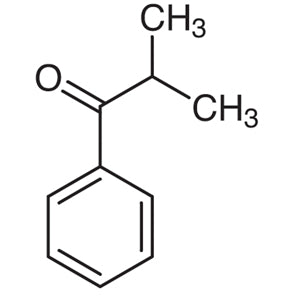
Isobutyrophenone is an organic compound widely used in various chemical reactions within laboratory settings. It serves as a fundamental building block in the synthesis of complex molecules due to its molecular structure, which includes a phenyl group and a ketone group. This compound plays a crucial role in organic chemistry by enabling the formation of diverse chemical structures through controlled reactions. Its versatility makes it an essential component in both academic and industrial research environments.
The chemical properties of Isobutyrophenone make it a preferred choice for laboratory use. It exhibits stability and controlled reactivity, allowing it to participate in nucleophilic and substitution reactions effectively. Its ability to react with a variety of reagents, such as alcohols, acids, and bases, enhances its applicability in different synthetic pathways. Additionally, its high boiling point and low volatility simplify heating and distillation processes, making it suitable for a wide range of experimental techniques.
In Indonesian laboratories, Isobutyrophenone is commonly used in both pure and applied chemical research. It is a key reagent in the development of pharmaceutical compounds, industrial chemicals, and other chemical products. Its clear physical and chemical characteristics make it easy to identify and handle, supporting its use in experiments of varying scales. Its reliability and effectiveness have made it a staple in the chemical laboratories of Indonesia.
- Organic synthesis applications benefit from Isobutyrophenone due to its stable structure and reactivity, allowing for the creation of complex molecular frameworks.
- Pharmaceutical research utilizes Isobutyrophenone as a building block for synthesizing drug compounds, leveraging its chemical versatility and compatibility with various reagents.
- Industrial chemical production relies on Isobutyrophenone for the development of specialty chemicals, thanks to its controlled reactivity and ease of handling in reaction systems.
- Analytical chemistry experiments use Isobutyrophenone as a reference standard for identifying and quantifying compounds in complex mixtures.
- Teaching laboratories incorporate Isobutyrophenone to demonstrate fundamental organic reactions, providing students with hands-on experience in synthetic chemistry.
| Brand | TCI |
|---|---|
| CAS number | 611-70-1 |
| Molecular formula | — |
| Purity | — |
| Category | Chemistry > Building Blocks > Non-Heterocyclic Building Blocks |
| Pack sizes | Available in various quantities as per standard laboratory supply |
| Physical form | Liquid |
| Storage | Store in a cool, dry place away from direct sunlight and incompatible materials |
Isobutyrophenone should be stored in a cool, dry environment, away from direct sunlight and sources of heat. It is recommended to keep it in a tightly sealed container to prevent evaporation and contamination. Due to its chemical nature, it should be stored separately from strong oxidizing agents and reactive metals. In laboratory settings, proper ventilation is essential to minimize exposure to vapors. Always use appropriate personal protective equipment, such as gloves and safety goggles, when handling this compound. Regular monitoring of storage conditions ensures the compound remains stable and safe for use in experiments.
—
Produk Terkait
-
Butyrophenone TCI B0769
Regular price From Rp 689.850,00Regular price -
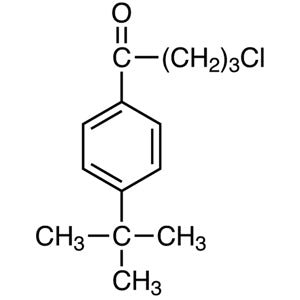
4'-tert-Butyl-4-chlorobutyrophenone TCI B3144
Regular price Rp 2.121.000,00Regular price -
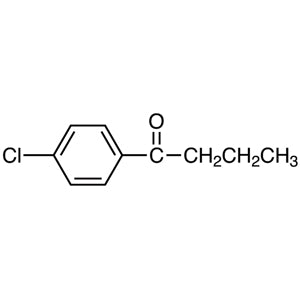
4'-Chlorobutyrophenone TCI C1547
Regular price Rp 1.326.150,00Regular price -
2-Phenylbutyrophenone TCI P2269
Regular price Rp 2.121.000,00Regular price -
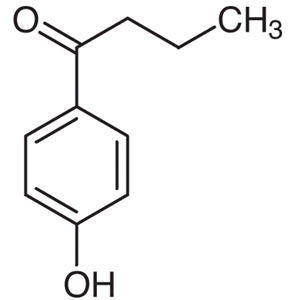
4'-Hydroxybutyrophenone TCI H0903
Regular price Rp 2.199.750,00Regular price -
3-Hydroxy-p-butyrophenetidine TCI H0371
Regular price Rp 795.900,00Regular price -
IsobutyricAcidHydrazide TCI I1105
Regular price From Rp 2.306.850,00Regular price -
IsoamylIsobutyrate TCI I0676
Regular price From Rp 610.050,00Regular price