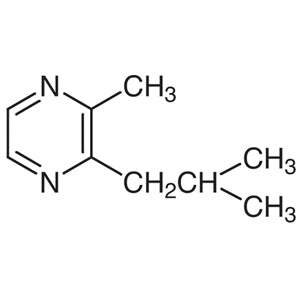
2-Isobutyl-3-methylpyrazine is a chemical compound classified under the heterocyclic category, known for its complex molecular structure and strong aromatic properties. This compound plays a crucial role in laboratory settings as a building block for the synthesis of various organic compounds. Its versatility makes it an essential tool for researchers working in diverse fields such as pharmaceuticals, food science, and industrial chemistry. In the laboratory, it serves as a foundational material for creating compounds with specific structural characteristics, enabling the development of new products and formulations.
The compound is valued for its chemical reactivity and stability under controlled conditions, which allows it to participate in a wide range of chemical reactions. Its distinct aroma makes it particularly useful in studies related to flavor and fragrance development. The ability to interact with various reagents enhances its applicability in synthetic pathways, making it a preferred choice for chemists seeking to explore new molecular structures. Its consistent performance and predictable behavior in laboratory conditions further solidify its importance in research and development.
In Indonesian laboratories, 2-Isobutyl-3-methylpyrazine is widely used by chemists and scientists for the development of new compounds, biological activity testing, and aroma-related research. Its availability and broad applications make it a go-to material for both academic and industrial research. Due to its reactivity, it requires careful handling and proper storage to maintain its integrity and effectiveness in experimental processes.
Related TCI products
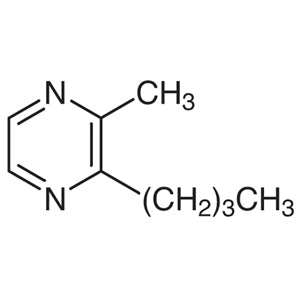
- TCI B1173 15987-00-5 2-Butyl-3-methylpyrazine
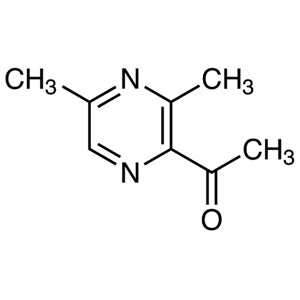
- TCI A3326 54300-08-2 2-Acetyl-3,5-dimethylpyrazine (contains 2-Acetyl-3,6-dimethylpyrazine)
- TCI A2992 5521-56-2 2-Amino-6-methylpyrazine
- TCI A2003 32974-92-8 2-Acetyl-3-ethylpyrazine
- TCI A1978 23787-80-6 2-Acetyl-3-methylpyrazine
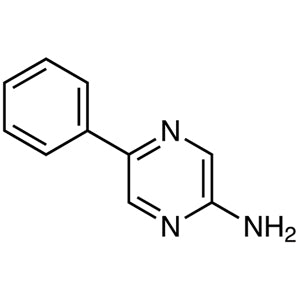
- TCI A1684 13535-13-2 2-Amino-5-phenylpyrazine
- Used in organic synthesis for creating complex molecular structures due to its reactivity and structural versatility.
- Applied in flavor and fragrance research to develop new aromatic compounds and enhance sensory properties.
- Utilized in pharmaceutical research for the synthesis of compounds with potential therapeutic applications.
- Employed in food chemistry to study and replicate natural flavor profiles in food products.
- Integrated into industrial chemical processes for the production of specialty chemicals and additives.
| Brand | TCI |
|---|---|
| CAS number | 13925-06-9 |
| Molecular formula | — |
| Purity | — |
| Category | Chemistry > Building Blocks > Heterocyclic Building Blocks |
| Pack sizes | Available in various quantities as per standard laboratory supply options |
| Physical form | Solid or liquid, depending on the specific product variant |
| Storage | Requires storage in a cool, dry place away from direct sunlight |
This compound should be stored in a cool, dry environment, away from direct sunlight and sources of heat. It is recommended to use airtight containers to prevent exposure to moisture and air, which may affect its stability. Due to its reactivity, it should be handled with appropriate personal protective equipment, including gloves and safety goggles. Proper ventilation is essential when working with this material to minimize inhalation risks. Storage should be in a secure location to prevent accidental spills or contamination. Regular monitoring of storage conditions ensures the compound remains in optimal condition for use in laboratory applications.
—
Produk Terkait
-
2-Butyl-3-methylpyrazine TCI B1173
Regular price Rp 3.285.450,00Regular priceRp 2.313.150,00Sale price Rp 3.285.450,00 -
2-Acetyl-3,5-dimethylpyrazine(contains2-Acetyl-3,6-dimethylpyrazine) TCI A3326
Regular price Rp 1.378.650,00Regular priceRp 979.650,00Sale price Rp 1.378.650,00 -
2-Amino-6-methylpyrazine TCI A2992
Regular price Rp 955.500,00Regular priceRp 683.550,00Sale price Rp 955.500,00 -
2-Acetyl-3-ethylpyrazine TCI A2003
Regular price Rp 1.087.800,00Regular priceRp 775.950,00Sale price Rp 1.087.800,00 -
2-Acetyl-3-methylpyrazine TCI A1978
Regular price Rp 1.087.800,00Regular priceRp 775.950,00Sale price Rp 1.087.800,00 -
2-Amino-5-phenylpyrazine TCI A1684
Regular price Rp 2.702.700,00Regular priceRp 1.905.750,00Sale price Rp 2.702.700,00 -
2-(Aminomethyl)-5-methylpyrazine TCI A1154
Regular price Rp 6.465.900,00Regular priceRp 4.537.050,00Sale price Rp 6.465.900,00 -
2-Acetylpyrazine TCI A0988
Regular price Rp 1.087.800,00Regular priceRp 775.950,00Sale price Rp 1.087.800,00