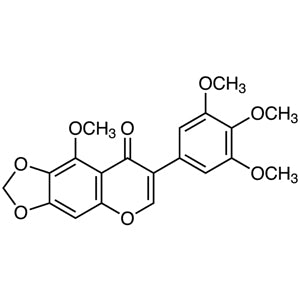
Irisflorentin is a chemical compound widely used in pharmacological and biochemical research. As a pharmaceutical research reagent, it plays a crucial role in experimental studies by helping scientists understand how specific compounds affect biological activity in cells or organisms. Its application extends to the investigation of drug mechanisms, particularly in pharmacological and toxicological testing. This reagent is essential for analyzing biological responses to various stimuli, making it a vital tool in life science laboratories. Its presence supports the development of new drugs and the evaluation of their effects on biological systems.
One of the key attributes of Irisflorentin is its chemical stability under certain conditions, which ensures consistency in experimental results. This stability allows for repeated use in long-term studies, enhancing the reliability of data. Additionally, Irisflorentin has the ability to interact with various proteins and enzymes, making it ideal for research on biological signaling pathways. Its reactivity and specificity make it a preferred choice for laboratories requiring precision and accuracy in their experiments.
In Indonesian laboratories, Irisflorentin is commonly used in a variety of life science research projects. These include the development of new pharmaceuticals, pharmacological effect studies, and toxicological analyses. Its role in these contexts is critical, as it enables researchers to explore the interactions between compounds and biological systems. The compound’s versatility and reliability make it an essential component in the research toolkit of Indonesian scientific institutions.
TCI brochures (PDF)
- Phytochemicals 2025-12-17 · p. 12
- Antimicrobials and Antitumor Agents for Research and Experimental Use 2025-04-24 · p. 19
- Pharmaceutical Ingredients for Research and Experimental Use 2026-03-09 · p. 19
- Reagents for Biological Research 2025-03-11 · p. 53
- Pharmacological research utilizes Irisflorentin to study drug interactions and biological responses in controlled environments.
- Toxicological testing benefits from Irisflorentin’s ability to assess the effects of compounds on cellular and organismal systems.
- Biochemical experiments rely on Irisflorentin to investigate enzyme and protein interactions in complex biological pathways.
- Drug development programs incorporate Irisflorentin to evaluate the efficacy and safety of new pharmaceutical compounds.
- Cellular biology studies use Irisflorentin to analyze how specific compounds influence biological activity and signaling mechanisms.
| Brand | TCI |
|---|---|
| CAS number | 41743-73-1 |
| Molecular formula | — |
| Purity | — |
| Category | Life Science > Biochemicals and Reagents > Pharmaceutical Research Reagents |
| Pack sizes | Available in standard laboratory quantities |
| Physical form | Solid or liquid, depending on formulation |
| Storage | Store in a cool, dry place away from direct sunlight |
Irisflorentin should be stored in a cool, dry environment to maintain its chemical stability and prevent degradation. It is recommended to keep the compound in airtight containers to minimize exposure to moisture and air, which can affect its reactivity. Proper labeling of storage containers is essential to ensure safe handling and prevent accidental contamination. In laboratory settings, it is important to follow standard safety protocols, such as using appropriate personal protective equipment when handling the compound. Regular monitoring of storage conditions helps maintain the integrity of the reagent for consistent experimental results.
—
Product Categories
- Biochemicals and ReagentsPharmaceutical Research Reagents (for Experimental Use)Antitumor Research Reagents (for Experimental Use)
- Biochemicals and ReagentsPhenylpropanoids, Aromatic PolyketidesAromatic Polyketides
- Cell BiologyNutrition ResearchPhytochemicals
- Pharmaceutical Development and Drug Discovery ResearchPharmaceutical Research Reagents (for Experimental Use)Antitumor Research Reagents (for Experimental Use)
Produk Terkait
-
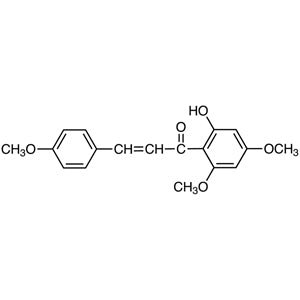
FlavokawainA TCI H1571
Regular price From Rp 1.618.050,00Regular price -
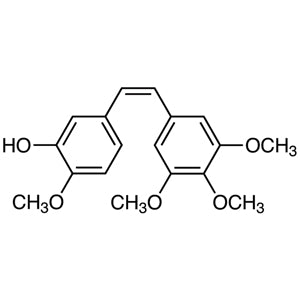
CombretastatinA4 TCI C2520
Regular price Rp 18.893.700,00Regular price -
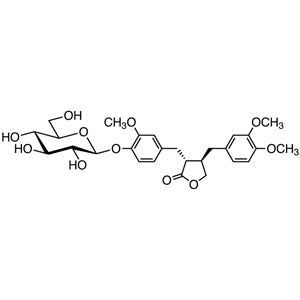
Arctiin TCI A3118
Regular price From Rp 1.431.150,00Regular price -
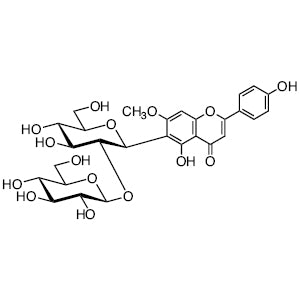
Spinosin TCI P2887
Regular price Rp 6.863.850,00Regular price -
7,4'-Di-O-methylapigenin TCI H1876
Regular price Rp 3.976.350,00Regular price -
Hesperidin TCI H0049
Regular price From Rp 1.220.100,00Regular price -
Curcumin(Synthetic) TCI C2302
Regular price From Rp 1.193.850,00Regular price -
Curcumin(Natural) TCI C0434
Regular price From Rp 637.350,00Regular price