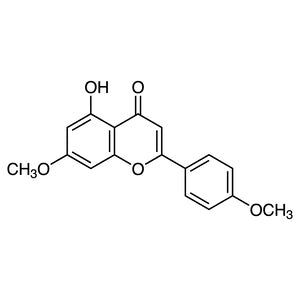
TCI H1876 is 7,4'-Di-O-methylapigenin, a flavone derivative built on the apigenin skeleton in which two hydroxyl groups, at the seven and four-prime positions, have been methylated. Methylated natural products of this type attract research attention because methylation alters both the physicochemical properties and the biological behaviour of the parent flavonoid. In the laboratory, this purified material is generally used as a reference standard in the analysis of plant extracts, as a test compound in biological activity screening, and as a benchmark for confirming the identity of components detected within complex phytochemical mixtures.
The property that makes this compound a preferred choice is the reduced number of free hydroxyl groups resulting from methylation, which renders the molecule more lipophilic and generally more stable towards oxidation than ordinary apigenin. This increased lipophilicity also influences solubility, so stock solutions are normally prepared in organic solvents such as methanol, dimethyl sulfoxide, or another suitable mixture before dilution. The conjugated flavone skeleton still provides the characteristic ultraviolet absorbance that makes the compound easy to detect on HPLC systems equipped with a photodiode array detector, and its fragmentation pattern supports confirmatory work by mass spectrometry.
In Indonesian laboratories, this material is typically encountered in natural product chemistry and pharmacognosy groups working on the flavonoid content of local plant material, in university research units carrying out bioactivity screening, and in analytical laboratories that must verify the identity of compounds detected in botanical extracts. Because it is supplied as a defined, purified substance, it gives such work a fixed point of comparison against which extracts and fractions of unknown composition can be assessed.
TCI brochures (PDF)
- Phytochemicals 2025-12-17 · p. 11
- Antimicrobials and Antitumor Agents for Research and Experimental Use 2025-04-24 · p. 9
- Pharmaceutical Ingredients for Research and Experimental Use 2026-03-09 · p. 9
- Reference standard in phytochemical analysis: the purified, defined material provides a fixed comparison point for identifying 7,4'-di-O-methylapigenin within plant extracts of unknown composition.
- HPLC method development and calibration: the conjugated flavone skeleton gives characteristic ultraviolet absorbance, making the compound readily detectable on photodiode array detector systems during retention time and response checks.
- Mass spectrometric confirmation work: the compound's fragmentation pattern supports confirmatory identification of methylated flavone components detected in complex phytochemical mixtures by LC-MS.
- Biological activity screening: the material serves as a defined test compound when researchers examine how methylation of the apigenin skeleton changes the biological behaviour of the parent flavonoid.
- Structure-activity comparison studies: the two methylated positions allow direct comparison against apigenin itself, helping researchers relate free hydroxyl count to lipophilicity, oxidative stability, and observed activity.
| Brand | TCI (Tokyo Chemical Industry) |
|---|---|
| CAS number | 5128-44-9 |
| Molecular formula | — |
| Purity | — |
| Category | Life Science > Biochemicals and Reagents > Antibiotics |
| Pack sizes | available in the catalogue pack sizes offered by the manufacturer; please confirm the size required when ordering |
| Physical form | — |
| Storage | store according to the conditions stated on the manufacturer's label and accompanying documentation |
- Product code: H1876
- Chemical name: 7,4'-Di-O-methylapigenin, a methylated flavone derivative of apigenin
Store the container closed and protected from light, moisture, and excessive heat, following the conditions stated on the manufacturer's label and the accompanying safety data sheet. Amber glass vials or tightly sealed original containers are suitable, since the conjugated flavone system is light sensitive and the material is best kept dry. Prepare stock solutions in organic solvents such as methanol or dimethyl sulfoxide in a fume hood, and store prepared solutions in sealed, clearly labelled vials. Handle the compound with gloves, safety glasses, and a laboratory coat, avoid generating dust when weighing small quantities, and return the container promptly to its designated storage location after use. Allow refrigerated material to reach room temperature before opening to prevent condensation from affecting the contents.
—
Product Categories
- Biochemicals and ReagentsAntibioticsAntibiotics (by Application)
- Biochemicals and ReagentsPharmaceutical Research Reagents (for Experimental Use)Antifungal Ingredients (for Research and Experimental Use)
- Biochemicals and ReagentsPhenylpropanoids, Aromatic PolyketidesAromatic Polyketides
- Cell BiologyNutrition ResearchPhytochemicals
- MicrobiologyAntibioticsAntibiotics (by Application)
- Pharmaceutical Development and Drug Discovery ResearchPharmaceutical Research Reagents (for Experimental Use)Antifungal Ingredients (for Research and Experimental Use)
- Pharmaceutical Development and Drug Discovery ResearchAntibioticsAntibiotics (by Application)
Produk Terkait
-
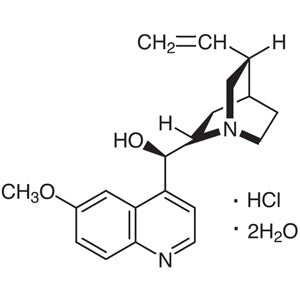
QuinineHydrochlorideDihydrate TCI Q0030
Regular price Rp 1.670.550,00Regular priceRp 1.183.350,00Sale price Rp 1.670.550,00 -
Quinine TCI Q0028
Regular price From Rp 3.232.950,00Regular priceRp 2.276.400,00Sale price From Rp 3.232.950,00 -
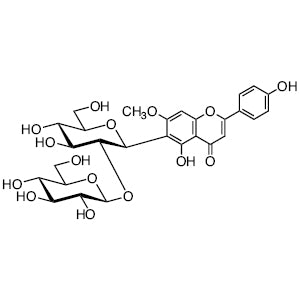
Spinosin TCI P2887
Regular price Rp 6.916.350,00Regular priceRp 4.852.050,00Sale price Rp 6.916.350,00 -
MoronicAcid TCI M2610
Regular price From Rp 4.559.100,00Regular priceRp 3.203.550,00Sale price From Rp 4.559.100,00 -
ImazalilSulfate TCI I1190
Regular price From Rp 1.988.700,00Regular priceRp 1.405.950,00Sale price From Rp 1.988.700,00 -
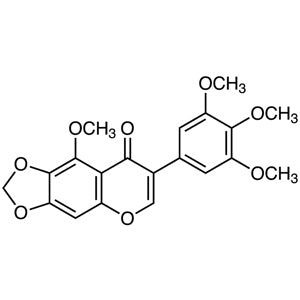
Irisflorentin TCI I1063
Regular price From Rp 1.908.900,00Regular priceRp 1.350.300,00Sale price From Rp 1.908.900,00 -
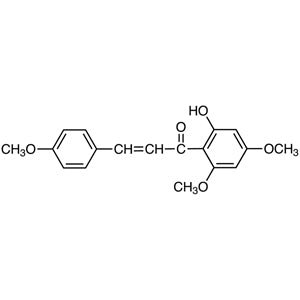
FlavokawainA TCI H1571
Regular price From Rp 1.670.550,00Regular priceRp 1.183.350,00Sale price From Rp 1.670.550,00 -
Hesperidin TCI H0049
Regular price From Rp 1.272.600,00Regular priceRp 905.100,00Sale price From Rp 1.272.600,00