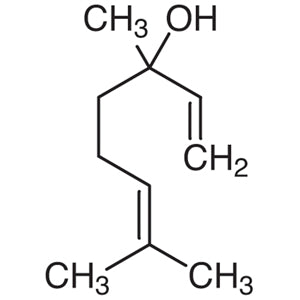
Linalool is an organic compound widely used in various chemical applications within laboratory settings. As a common aliphatic compound, it possesses a complex molecular structure that makes it a key component in the synthesis of other chemical compounds. This versatile material is frequently employed in chemical reactions to build more complex molecular structures, both in research and product development. In the laboratory, linalool serves as a flexible raw material, suitable for a range of reactions such as esterification, reduction, or substitution. Its chemical stability allows it to function as a precursor for both aromatic and aliphatic compounds.
Linalool is preferred due to its chemical stability, versatility, and compatibility with a wide range of chemical processes. Its non-heterocyclic nature makes it ideal for reactions requiring simple yet flexible molecular structures. The compound’s ability to participate in multiple reaction types enhances its utility in synthetic chemistry. Additionally, its characteristic aroma adds value in applications related to fragrance and cosmetics. These properties make linalool a popular choice across various fields of chemical research.
In Indonesian laboratories, linalool is commonly used in organic chemistry research, particularly in the development of new chemical compounds. Its availability and reliability make it a go-to material for both academic and industrial research. The compound’s broad applications in synthesis and its role in creating more complex molecules contribute to its popularity in the scientific community. Its use extends to both basic research and applied chemistry, supporting a wide range of experimental needs.
TCI brochures (PDF)
- Quorum Sensing Research Reagents 2024-10-17 · p. 2
- Biofilm Research Reagents 2024-06-21 · p. 2
- Terpenes 2025-09-22 · p. 3
- Organic synthesis is a key application where linalool is used as a building block for creating more complex molecules due to its versatile reactivity and structural flexibility.
- Aroma and fragrance development benefits from linalool's characteristic scent, making it a valuable component in cosmetic and perfumery formulations.
- Cosmetics formulation relies on linalool for its aromatic properties and compatibility with various cosmetic ingredients, enhancing product appeal.
- Chemical research utilizes linalool as a precursor for aromatic and aliphatic compounds, supporting the development of new chemical structures.
- Industrial chemical production incorporates linalool in the synthesis of various chemical products, leveraging its stability and reactivity in large-scale processes.
| Brand | TCI |
|---|---|
| CAS number | 78-70-6 |
| Molecular formula | — |
| Purity | — |
| Category | Chemistry > Building Blocks > Non-Heterocyclic Building Blocks |
| Pack sizes | Available in standard laboratory quantities as per supplier specifications |
| Physical form | Liquid |
| Storage | Store in a cool, dark place away from heat and direct sunlight |
Linalool should be stored in a cool, dark place away from heat and direct sunlight to maintain its chemical stability. It is recommended to use airtight containers made of glass or high-density polyethylene to prevent contamination and evaporation. Due to its flammable nature, it should be kept away from open flames and potential ignition sources. Proper ventilation is essential when handling linalool to minimize inhalation risks. Always wear appropriate personal protective equipment, such as gloves and safety goggles, when working with this compound. Regular monitoring of storage conditions ensures the compound remains safe and effective for laboratory use.
—
Product Categories
- Biochemicals and ReagentsCrude Medicine Ingredients for Research and Experimental Use
- Biochemicals and ReagentsTerpenesAcyclic Monoterpenes
- Cell BiologyCell Signaling and NeuroscienceNeuroscience
- Cell BiologyNutrition ResearchPhytochemicals
- MicrobiologyBiofilm ResearchBiofilm Inhibitors and Suppressors, etc.
- Pharmaceutical Development and Drug Discovery ResearchCrude Medicine Ingredients for Research and Experimental Use
Produk Terkait
-
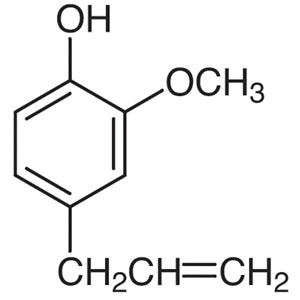
Eugenol TCI A0232
Regular price From Rp 557.550,00Regular priceRp 405.300,00Sale price From Rp 557.550,00 -
Nerol TCI N0077
Regular price From Rp 823.200,00Regular priceRp 575.400,00Sale price From Rp 823.200,00 -
Geraniol TCI G0027
Regular price Rp 452.550,00Regular priceRp 316.050,00Sale price Rp 452.550,00 -
beta-Citronellol TCI C0370
Regular price From Rp 530.250,00Regular priceRp 370.650,00Sale price From Rp 530.250,00 -
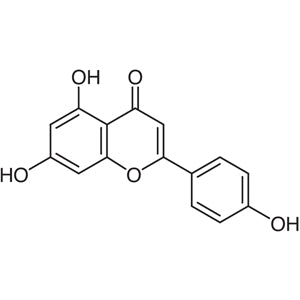
Apigenin TCI A1514
Regular price Rp 5.830.650,00Regular priceRp 4.092.900,00Sale price Rp 5.830.650,00 -
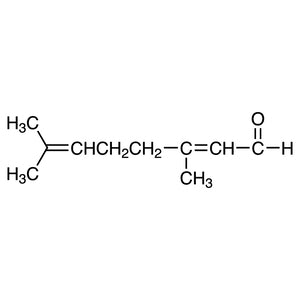
Citral(cis-andtrans-mixture) TCI D0762
Regular price Rp 637.350,00Regular priceRp 445.200,00Sale price Rp 637.350,00 -
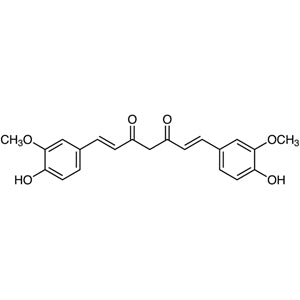
Curcumin(Synthetic) TCI C2302
Regular price From Rp 1.246.350,00Regular priceRp 887.250,00Sale price From Rp 1.246.350,00 -
Curcumin(Natural) TCI C0434
Regular price From Rp 637.350,00Regular priceRp 445.200,00Sale price From Rp 637.350,00