


2-Methyl-2-butene is an organic compound widely used in chemical reactions to synthesize complex molecules. As a building block in organic chemistry, it serves as a fundamental component in the creation of various chemical structures. Its versatility makes it a valuable tool in laboratory settings, where it is employed in multiple synthetic pathways. This compound is particularly useful in reactions that require the manipulation of double bonds, such as isomerization, polymerization, and substitution reactions. Its role in these processes highlights its importance in both academic and industrial research environments.
The chemical properties of 2-Methyl-2-butene contribute to its popularity among chemists. It is chemically stable yet reactive, allowing it to interact with a wide range of reagents. Its alkenic structure enables participation in addition, oxidation, and reduction reactions, making it adaptable to various synthetic strategies. The compound’s simplicity and flexibility allow it to be used in a broad spectrum of applications, from basic research to more advanced chemical synthesis. Its ease of handling and availability in different packaging sizes further enhance its utility in laboratory settings.
In Indonesian laboratories, 2-Methyl-2-butene is commonly used in chemical research, education, and industrial applications. It is a staple in university chemistry departments and research institutions, where it supports both teaching and experimental work. Its non-toxic nature and ease of handling make it suitable for use in environments that adhere to safety standards. The compound’s widespread application reflects its importance in the chemical industry and academic research in Indonesia.
Related TCI products
- TCI T0671 594-56-9 2,3,3-Trimethyl-1-butene
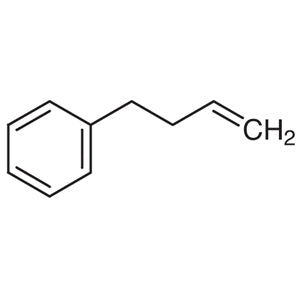
- TCI P0161 768-56-9 4-Phenyl-1-butene
- TCI P0067 513-35-9 2-Methyl-2-butene
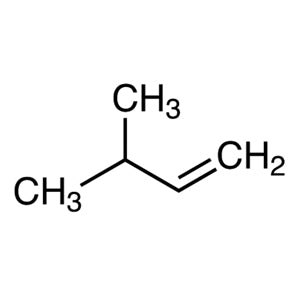
- TCI M2565 563-45-1 3-Methyl-1-butene (ca 125% in Tetrahydrofuran, ca 15mol/L)
- TCI M2563 563-45-1 3-Methyl-1-butene (ca. 15% in Dichloromethane, ca. 2.5mol/L)
- TCI M0177 563-45-1 3-Methyl-1-butene (in cylinder without valve) [To use this product charged in cylinder, a valve is required which is sold separately (Product Code:V0030)]
- Organic synthesis is a key application where 2-Methyl-2-butene is used to create complex molecules through various reaction mechanisms.
- Isomerization reactions benefit from this compound due to its ability to undergo structural changes under specific conditions.
- Polymerization processes often utilize 2-Methyl-2-butene as a monomer or intermediate in the formation of polymers.
- Substitution reactions in the laboratory rely on its reactivity to replace functional groups in target molecules.
- Educational settings use this compound to teach fundamental concepts in organic chemistry and reaction mechanisms.
| Brand | TCI |
|---|---|
| CAS number | 513-35-9 |
| Molecular formula | — |
| Purity | — |
| Category | Chemistry > Building Blocks > Non-Heterocyclic Building Blocks |
| Pack sizes | Available in various sizes suitable for laboratory use |
| Physical form | Liquid |
| Storage | Store in a cool, dry place away from direct sunlight |
2-Methyl-2-butene should be stored in a cool, dry place, away from direct sunlight and sources of heat. It is recommended to use appropriate containers that are resistant to chemical reactions and ensure airtight sealing to prevent evaporation. In laboratory settings, handling should be done with proper ventilation and protective equipment to minimize exposure. The compound is non-toxic but should be handled with care to avoid skin contact or inhalation. Storage conditions should maintain stability and prevent degradation, ensuring the compound remains effective for its intended applications.
—
Produk Terkait
-
2,3,3-Trimethyl-1-butene TCI T0671
Regular price From Rp 980.700,00Regular price -
4-Phenyl-1-butene TCI P0161
Regular price From Rp 848.400,00Regular price -
2-Methyl-2-butene TCI P0067
Regular price From Rp 1.060.500,00Regular price -
3-Methyl-1-butene(ca125%inTetrahydrofuran,ca15mol/L) TCI M2565
Regular price From Rp 1.538.250,00Regular price -
3-Methyl-1-butene(ca.15%inDichloromethane,ca.2.5mol/L) TCI M2563
Regular price Rp 6.996.150,00Regular price -
3-Methyl-1-butene(incylinderwithoutvalve)[Tousethisproductchargedincylinder,avalveisrequiredwhichissoldseparately(ProductCode:V0030)] TCI M0177
Regular price Rp 5.274.150,00Regular price -
2-Methyl-1-butene TCI M0174
Regular price From Rp 3.260.250,00Regular price -
2-Ethyl-1-butene TCI E0067
Regular price From Rp 3.683.400,00Regular price



![563-45-1 3-Methyl-1-butene (in cylinder without valve) [To use this product charged in cylinder, a valve is required which is sold separately (Product Code:V0030)] - AMI Scientific](http://amiscientific.com/cdn/shop/files/TCI2510M0177.jpg?v=1767122381&width=533)

