2,3,3-Trimethyl-1-butene is an organic compound widely used in chemical reactions, particularly in the synthesis of complex molecules. This compound plays a crucial role in laboratory settings as a foundational building block for various chemical processes. Its unique molecular structure, featuring three carbon atoms on one side of the hydrocarbon chain and one on the other, makes it a versatile reagent for organic synthesis. It is commonly employed in the development of aromatic and aliphatic compounds, contributing to the creation of new chemical entities.
The chemical properties of 2,3,3-Trimethyl-1-butene make it a preferred choice for researchers. It exhibits stability under normal conditions, yet remains reactive enough to participate in a range of chemical transformations. Its relatively high boiling and melting points facilitate ease of handling during heating and cooling processes. Additionally, its moderate reactivity ensures minimal degradation during reactions, making it a reliable component in synthetic pathways. The compound’s clear and well-defined structure also aids in identification and processing within the laboratory.
In Indonesian laboratories, 2,3,3-Trimethyl-1-butene is extensively used in chemical research, especially in the field of organic synthesis and the development of new chemical products. It is a key reagent in academic and industrial research, supporting the creation of complex compounds and functional materials. Its availability and reliability make it an essential component in the chemical supply chain for Indonesian scientific institutions.
Related TCI products
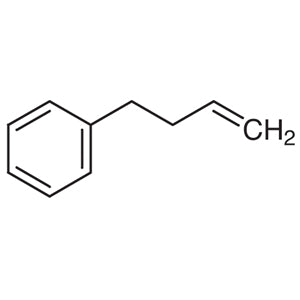
- TCI P0161 768-56-9 4-Phenyl-1-butene
- TCI P0067 513-35-9 2-Methyl-2-butene
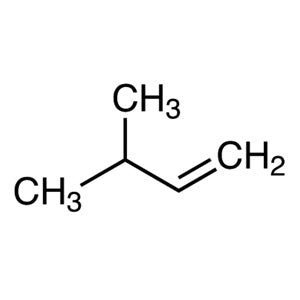
- TCI M2565 563-45-1 3-Methyl-1-butene (ca 125% in Tetrahydrofuran, ca 15mol/L)
- TCI M2563 563-45-1 3-Methyl-1-butene (ca. 15% in Dichloromethane, ca. 2.5mol/L)
- TCI M0708 513-35-9 2-Methyl-2-butene
- TCI M0177 563-45-1 3-Methyl-1-butene (in cylinder without valve) [To use this product charged in cylinder, a valve is required which is sold separately (Product Code:V0030)]
- Organic synthesis is a primary application where this compound serves as a versatile building block for creating complex molecules.
- Aromatic compound development benefits from its structural characteristics, enabling the formation of aromatic ring systems.
- Aliphatic compound synthesis relies on its hydrocarbon backbone, allowing for the construction of diverse aliphatic derivatives.
- Chemical research in Indonesian laboratories utilizes it for the exploration of new synthetic pathways and reaction mechanisms.
- Product development in the chemical industry leverages its reactivity and stability for the creation of functional materials.
| Brand | TCI |
|---|---|
| CAS number | 594-56-9 |
| Molecular formula | — |
| Purity | — |
| Category | Chemistry > Building Blocks > Non-Heterocyclic Building Blocks |
| Pack sizes | Available in various quantities as per supplier specifications |
| Physical form | Liquid |
| Storage | Store in a cool, dry place away from direct sunlight |
This compound should be stored in a cool, dry place, away from direct sunlight and sources of heat. It is recommended to use airtight containers made of glass or high-density polyethylene to prevent contamination and evaporation. Due to its moderate reactivity, it should be handled with care in a well-ventilated area. Avoid contact with incompatible substances such as strong oxidizers or acids. Always ensure proper personal protective equipment is worn when handling this material. Regular monitoring of storage conditions is advised to maintain its stability and effectiveness in laboratory applications.
—
Produk Terkait
-
4-Phenyl-1-butene TCI P0161
Regular price From Rp 848.400,00Regular priceRp 593.250,00Sale price From Rp 848.400,00 -
2-Methyl-2-butene TCI P0067
Regular price From Rp 1.060.500,00Regular priceRp 741.300,00Sale price From Rp 1.060.500,00 -
3-Methyl-1-butene(ca125%inTetrahydrofuran,ca15mol/L) TCI M2565
Regular price From Rp 1.538.250,00Regular priceRp 1.075.200,00Sale price From Rp 1.538.250,00 -
3-Methyl-1-butene(ca.15%inDichloromethane,ca.2.5mol/L) TCI M2563
Regular price Rp 6.996.150,00Regular priceRp 4.891.950,00Sale price Rp 6.996.150,00 -
2-Methyl-2-butene TCI M0708
Regular price From Rp 610.050,00Regular priceRp 426.300,00Sale price From Rp 610.050,00 -
3-Methyl-1-butene(incylinderwithoutvalve)[Tousethisproductchargedincylinder,avalveisrequiredwhichissoldseparately(ProductCode:V0030)] TCI M0177
Regular price Rp 5.274.150,00Regular priceRp 3.687.600,00Sale price Rp 5.274.150,00 -
2-Methyl-1-butene TCI M0174
Regular price From Rp 3.260.250,00Regular priceRp 2.279.550,00Sale price From Rp 3.260.250,00 -
2-Ethyl-1-butene TCI E0067
Regular price From Rp 3.683.400,00Regular priceRp 2.575.650,00Sale price From Rp 3.683.400,00