


4-Phenyl-1-butene is an organic compound widely used as a building block in the synthesis of complex chemical compounds. This versatile material plays a crucial role in laboratory settings, where it serves as a foundational element for various chemical reactions. Its molecular structure allows for a range of chemical interactions, including addition and substitution reactions, making it an essential tool for synthetic chemists. Due to its chemical stability and reactivity, it is frequently employed in experiments requiring precise control and reproducible results.
The compound’s non-polar and volatile nature facilitates processes such as evaporation and separation during chemical reactions. Its molecular structure, featuring a phenyl group and a butyl chain, contributes to its unique reactivity. These characteristics make it ideal for applications that demand high reactivity while maintaining stability under specific conditions. The compound’s consistent chemical properties and high purity further enhance its reliability in laboratory environments.
In Indonesian laboratories, 4-Phenyl-1-butene is commonly used in chemical research, including the synthesis of pharmaceutical compounds, industrial chemicals, and other high-reactivity substances. Its availability and performance make it a preferred choice for researchers and chemists working on complex molecular structures. The compound’s reliability and effectiveness support a wide range of scientific investigations in both academic and industrial settings.
Related TCI products
- TCI T0671 594-56-9 2,3,3-Trimethyl-1-butene
- TCI P0067 513-35-9 2-Methyl-2-butene
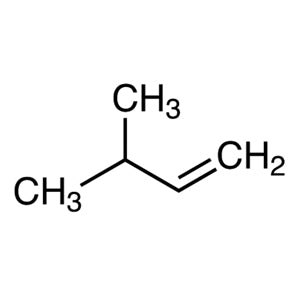
- TCI M2565 563-45-1 3-Methyl-1-butene (ca 125% in Tetrahydrofuran, ca 15mol/L)
- TCI M2563 563-45-1 3-Methyl-1-butene (ca. 15% in Dichloromethane, ca. 2.5mol/L)
- TCI M0708 513-35-9 2-Methyl-2-butene
- TCI M0177 563-45-1 3-Methyl-1-butene (in cylinder without valve) [To use this product charged in cylinder, a valve is required which is sold separately (Product Code:V0030)]
- Pharmaceutical synthesis: 4-Phenyl-1-butene is used in the development of new drugs due to its reactivity and structural versatility.
- Industrial chemical production: It serves as a key intermediate in the manufacture of various chemical products requiring high reactivity.
- Organic chemistry research: Its molecular structure makes it suitable for studying reaction mechanisms and synthetic pathways.
- Analytical chemistry experiments: The compound’s stability and reactivity aid in the analysis of complex chemical systems.
- Polymer science applications: It is used in the synthesis of polymers and other materials requiring controlled chemical reactions.
| Brand | TCI |
|---|---|
| CAS number | 768-56-9 |
| Molecular formula | — |
| Purity | — |
| Category | Chemistry > Building Blocks > Non-Heterocyclic Building Blocks |
| Pack sizes | Available in various quantities as per standard laboratory supply |
| Physical form | Liquid |
| Storage | Store in a cool, dry place away from direct sunlight |
4-Phenyl-1-butene should be stored in a cool, dry location, away from direct sunlight and sources of heat. It is recommended to use sealed containers made of materials compatible with organic solvents to prevent evaporation and contamination. Due to its volatility, proper ventilation should be maintained in the laboratory when handling the compound. Always wear appropriate personal protective equipment, such as gloves and safety goggles, to ensure safety during use. The compound should be kept away from incompatible substances to avoid any potential chemical reactions. Regular inspection of storage conditions is advised to maintain its integrity and ensure safe handling in laboratory environments.
—
Produk Terkait
-
2,3,3-Trimethyl-1-butene TCI T0671
Regular price From Rp 980.700,00Regular priceRp 685.650,00Sale price From Rp 980.700,00 -
2-Methyl-2-butene TCI P0067
Regular price From Rp 1.060.500,00Regular priceRp 741.300,00Sale price From Rp 1.060.500,00 -
3-Methyl-1-butene(ca125%inTetrahydrofuran,ca15mol/L) TCI M2565
Regular price From Rp 1.538.250,00Regular priceRp 1.075.200,00Sale price From Rp 1.538.250,00 -
3-Methyl-1-butene(ca.15%inDichloromethane,ca.2.5mol/L) TCI M2563
Regular price Rp 6.996.150,00Regular priceRp 4.891.950,00Sale price Rp 6.996.150,00 -
2-Methyl-2-butene TCI M0708
Regular price From Rp 610.050,00Regular priceRp 426.300,00Sale price From Rp 610.050,00 -
3-Methyl-1-butene(incylinderwithoutvalve)[Tousethisproductchargedincylinder,avalveisrequiredwhichissoldseparately(ProductCode:V0030)] TCI M0177
Regular price Rp 5.274.150,00Regular priceRp 3.687.600,00Sale price Rp 5.274.150,00 -
2-Methyl-1-butene TCI M0174
Regular price From Rp 3.260.250,00Regular priceRp 2.279.550,00Sale price From Rp 3.260.250,00 -
2-Ethyl-1-butene TCI E0067
Regular price From Rp 3.683.400,00Regular priceRp 2.575.650,00Sale price From Rp 3.683.400,00




![TCI M0177 563-45-1 3-Methyl-1-butene (in cylinder without valve) [To use this product charged in cylinder, a valve is required which is sold separately (Product Code:V0030)]](http://amiscientific.com/cdn/shop/files/TCI2510M0177_10d8d473-fe39-4645-8f3c-a272d7c134b3.jpg?v=1792646763&width=533)
![563-45-1 3-Methyl-1-butene (in cylinder without valve) [To use this product charged in cylinder, a valve is required which is sold separately (Product Code:V0030)] - AMI Scientific](http://amiscientific.com/cdn/shop/files/TCI2510M0177.jpg?v=1767122381&width=533)


