4-(2-Methoxyethyl)phenol is a chemical compound widely used in synthetic reactions within laboratory settings. As a building block in organic chemistry, it plays a crucial role in the synthesis of complex molecules, particularly in the creation of aromatic compounds and their derivatives. Its unique molecular structure makes it a valuable tool for researchers aiming to produce compounds with specific functional properties. This compound is commonly utilized in organic chemistry research to develop new materials and understand molecular behavior in various chemical environments.
The compound exhibits polar characteristics and is soluble in organic solvents such as ethyl acetate and acetone. These properties make it ideal for reactions that require non-aqueous solvents. Its stability under certain conditions further enhances its reliability in experimental processes. This combination of solubility and stability ensures that it remains a preferred choice for a wide range of chemical applications. Its availability and consistent performance contribute to its popularity among laboratory professionals.
In Indonesian laboratories, 4-(2-Methoxyethyl)phenol is frequently used by researchers and students in organic chemistry studies. It is an essential component in the development of new compounds and the investigation of chemical structures. Its accessibility in the local market supports ongoing research efforts and educational activities, making it a vital resource for both academic and industrial applications.
Related TCI products
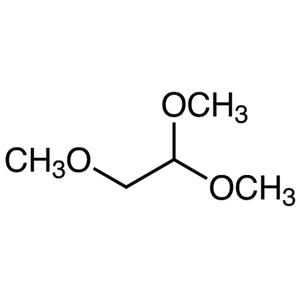
- TCI T0831 24332-20-5 1,1,2-Trimethoxyethane
- TCI M0111 109-86-4 2-Methoxyethanol (stabilized with BHT)
- TCI I0282 54396-97-3 2-Ethoxyethyl Isobutyrate
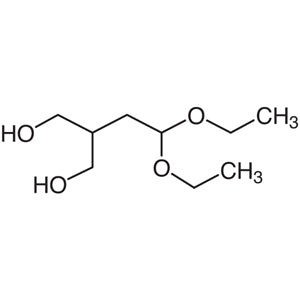
- TCI D2437 55387-85-4 2-(2,2-Diethoxyethyl)-1,3-propanediol
- TCI T3895 76115-06-5 4-(1,2,2-Triphenylvinyl)phenol
- TCI B4053 3035-94-7 4-(4-Bromophenylazo)phenol
- Synthesis of aromatic compounds: This compound is ideal for creating complex aromatic structures due to its reactive functional groups and compatibility with various synthetic methods.
- Organic chemistry research: It serves as a key building block in the development of new chemical entities, supporting both academic and industrial research initiatives.
- Structural analysis studies: Its unique molecular structure allows for detailed investigation into chemical behavior and reactivity in different environments.
- Compound modification experiments: It is frequently used to modify existing compounds, enabling the creation of derivatives with enhanced properties.
- Educational laboratory work: It is commonly used in teaching environments to demonstrate synthetic techniques and chemical reactivity to students.
| Brand | TCI |
|---|---|
| CAS number | 56718-71-9 |
| Molecular formula | — |
| Purity | — |
| Category | Chemistry > Building Blocks > Non-Heterocyclic Building Blocks |
| Pack sizes | Available in various quantities as per supplier specifications |
| Physical form | Solid or liquid, depending on the specific product variant |
| Storage | Store in a cool, dry place away from direct sunlight and incompatible materials |
This compound should be stored in a cool, dry environment, away from direct sunlight and sources of heat. It is recommended to use sealed containers made of materials compatible with its chemical properties to prevent contamination and evaporation. Proper ventilation is essential when handling this material to minimize exposure to vapors. Laboratory personnel should wear appropriate personal protective equipment, including gloves and safety goggles, to ensure safe handling. Avoid contact with skin and eyes, and ensure that spill containment procedures are in place for accidental exposure. Regular monitoring of storage conditions is advised to maintain the integrity and safety of the compound.
—
Produk Terkait
-
1,1,2-Trimethoxyethane TCI T0831
Regular price From Rp 3.738.000,00Regular price -
2-Methoxyethanol(stabilizedwithBHT) TCI M0111
Regular price From Rp 477.750,00Regular price -
2-EthoxyethylIsobutyrate TCI I0282
Regular price From Rp 557.550,00Regular price -
2-(2,2-Diethoxyethyl)-1,3-propanediol TCI D2437
Regular price Rp 10.362.450,00Regular price -
4-(1,2,2-Triphenylvinyl)phenol TCI T3895
Regular price Rp 6.333.600,00Regular price -
4-(4-Bromophenylazo)phenol TCI B4053
Regular price From Rp 3.392.550,00Regular price -
2,4-Bis(alpha,alpha-dimethylbenzyl)phenol TCI B2772
Regular price From Rp 530.250,00Regular price -
4-(4-Butylphenylazo)phenol TCI B2357
Regular price From Rp 2.677.500,00Regular price