4-Methoxy-2-nitrophenol is a chemical compound widely used in various laboratory applications, particularly in the synthesis of complex molecules. As a key building block in organic chemistry, it plays a crucial role in the development of pharmaceuticals, polymers, and industrial chemicals. Its aromatic structure, combined with nitro and methoxy functional groups, makes it a versatile reagent for substitution and reduction reactions. This compound is essential for researchers aiming to create new compounds with specific chemical properties.
The compound’s reactivity and stability make it a preferred choice for chemical synthesis. Its ability to react with a wide range of reagents allows for the formation of diverse chemical structures, enhancing its utility in both academic and industrial settings. The presence of the nitro group imparts electrophilic characteristics, while the methoxy group contributes to molecular stability. These properties make it an ideal candidate for use in organic synthesis and functional group transformations.
In Indonesian laboratories, 4-Methoxy-2-nitrophenol is commonly used in scientific research, especially in the fields of organic chemistry and pharmaceutical development. It is a fundamental reagent in experiments that require high reactivity and structural versatility. Many research institutions and educational facilities rely on this compound for their chemical synthesis projects, contributing to the advancement of scientific knowledge in the region.
- Organic synthesis: This compound is widely used in the synthesis of complex organic molecules due to its reactivity and structural versatility.
- Pharmaceutical research: It serves as a building block for the development of new drugs and pharmaceutical compounds.
- Polymer chemistry: It is utilized in the creation of various polymer materials due to its ability to participate in chemical reactions.
- Industrial chemical production: Its stability and reactivity make it suitable for the synthesis of industrial chemicals and intermediates.
- Analytical chemistry: It is used as a reference standard in analytical procedures for identifying and quantifying chemical compounds.
| Brand | TCI |
|---|---|
| CAS number | 1568-70-3 |
| Molecular formula | — |
| Purity | — |
| Category | Chemistry > Building Blocks > Non-Heterocyclic Building Blocks |
| Pack sizes | Available in various quantities as per supplier specifications |
| Physical form | Solid |
| Storage | Store in a cool, dry place away from direct sunlight |
This compound should be stored in a cool, dry environment, away from direct sunlight and sources of heat. It is recommended to use airtight containers to prevent moisture absorption and maintain its chemical integrity. Due to its reactivity, it should be handled with care, using appropriate personal protective equipment such as gloves and safety goggles. It is advisable to store it in a well-ventilated area to minimize exposure to vapors. Proper labeling of containers is essential to ensure safe handling and prevent accidental use. Regular inspection of storage conditions is necessary to maintain the compound’s stability and effectiveness in laboratory applications.
—
Produk Terkait
-
2-Bromo-4-methoxy-6-nitrophenol TCI B4723
Regular price From Rp 505.050,00Regular price -
2-Methoxy-6-nitrophenol TCI M3747
Regular price From Rp 2.889.600,00Regular price -
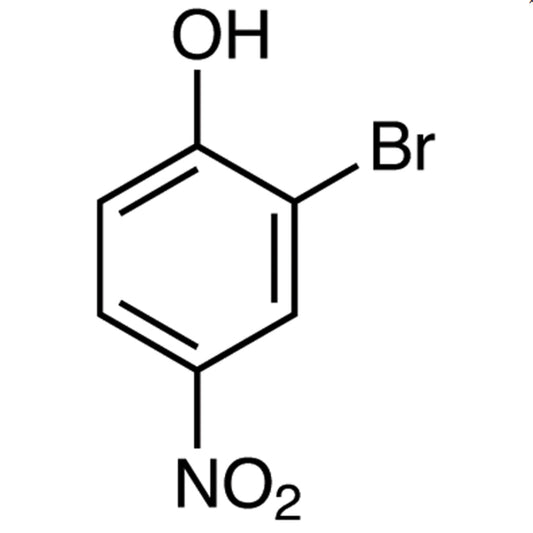
2-Bromo-4-nitrophenol TCI B3918
Regular price From Rp 2.625.000,00Regular price -
4-Bromo-2-nitrophenol TCI B2363
Regular price From Rp 1.035.300,00Regular price -
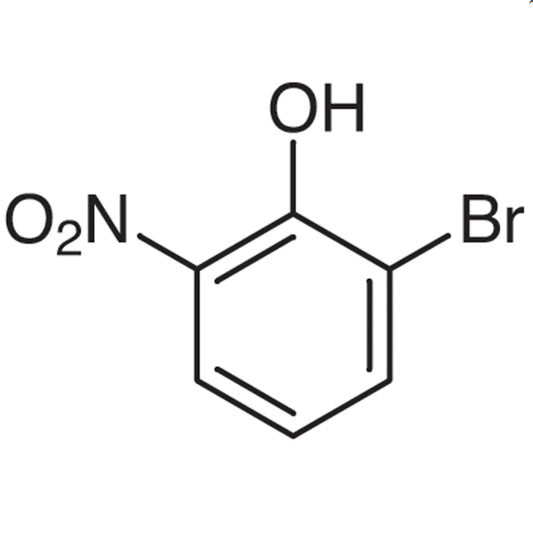
2-Bromo-6-nitrophenol TCI B2203
Regular price From Rp 1.378.650,00Regular price -
4-tert-Butyl-2-nitrophenol TCI B1812
Regular price From Rp 1.008.000,00Regular price -
4-tert-Butyl-2,6-dinitrophenol TCI B1803
Regular price Rp 2.016.000,00Regular price -
2-NitrophenolSodiumSalt TCI N0222
Regular price From Rp 1.220.100,00Regular price