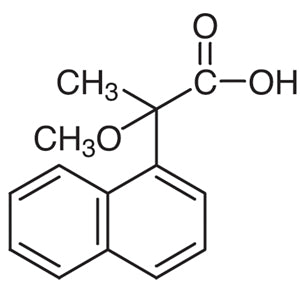
2-Methoxy-2-(1-naphthyl)propionic acid is a versatile organic compound widely used in laboratory synthesis reactions. As a key building block in chemical synthesis, it serves as a fundamental component for constructing more complex molecules with aromatic and carbon chain structures. Its role in organic chemistry is critical, enabling researchers to perform substitution reactions and other synthetic transformations to develop new compounds. This compound is particularly valuable in the field of medicinal chemistry due to its structural features that can be modified to create biologically active substances.
The chemical properties of 2-Methoxy-2-(1-naphthyl)propionic acid make it a preferred choice for synthetic chemists. Its molecular structure, containing both naphthyl and methoxy groups, provides specific polarity and solubility characteristics that facilitate purification and isolation processes. These properties allow for efficient handling in various reaction conditions, making it suitable for a range of experimental setups. Additionally, its stability under controlled laboratory conditions ensures reliable results in synthetic protocols.
In Indonesian laboratories, this compound is frequently used in organic chemistry research, especially in pharmacological studies and the synthesis of bioactive compounds. Local researchers rely on its structural versatility to explore new chemical pathways and develop compounds with potential applications in medicine and industry. Its availability through suppliers like AMI Scientific ensures that it remains a critical reagent for ongoing scientific investigations in the region.
- Synthesis of aromatic compounds: This compound is ideal for creating complex aromatic structures due to its naphthyl group, enabling the development of new organic molecules.
- Development of bioactive substances: Its structural features make it suitable for synthesizing compounds with potential pharmaceutical applications, supporting drug discovery efforts.
- Organic chemistry research: It is widely used in academic and industrial research settings for exploring chemical reactivity and molecular transformations.
- Pharmaceutical compound design: The presence of methoxy groups allows for functional group modifications, aiding in the design of new therapeutic agents.
- Analytical chemistry applications: Its distinct chemical properties make it useful in analytical procedures requiring specific reactivity or solubility characteristics.
| Brand | TCI |
|---|---|
| CAS number | 63628-25-1 |
| Molecular formula | — |
| Purity | — |
| Category | Chemistry > Building Blocks > Non-Heterocyclic Building Blocks |
| Pack sizes | Available in various quantities as per supplier specifications |
| Physical form | Solid or liquid, depending on the specific product formulation |
| Storage | Store in a cool, dry place away from direct sunlight and moisture |
This compound should be stored in a cool, dry environment to maintain its chemical stability. It is recommended to keep it in a sealed container to prevent exposure to moisture and air, which may affect its reactivity. Laboratory personnel should handle it with care, using appropriate personal protective equipment such as gloves and safety goggles. Due to its potential reactivity, it should be stored away from incompatible materials and in a well-ventilated area. Proper labeling of storage containers is essential to ensure safe handling and prevent accidental exposure. Regular monitoring of storage conditions is advised to maintain the integrity of the compound during long-term use.
—
Produk Terkait
-
3-(p-Tolyl)propionicAcid TCI T2797
Regular price From Rp 2.359.350,00Regular price -
3-(2-Bromophenyl)propionicAcid TCI B4409
Regular price From Rp 1.087.800,00Regular price -
3-(4-Bromophenyl)propionicAcid TCI B3753
Regular price From Rp 477.750,00Regular price -
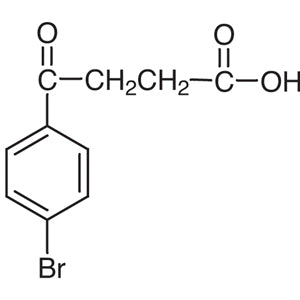
3-(4-Bromobenzoyl)propionicAcid TCI B3129
Regular price Rp 1.829.100,00Regular price -
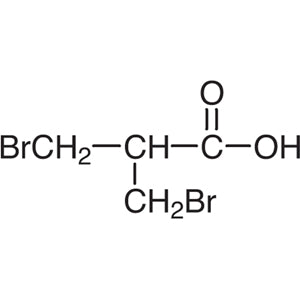
3-Bromo-2-(bromomethyl)propionicAcid TCI B3081
Regular price From Rp 1.510.950,00Regular price -
2-[4-(Bromomethyl)phenyl]propionicAcid TCI B2101
Regular price From Rp 505.050,00Regular price -
2,2-Bis(hydroxymethyl)propionicAcid TCI B1192
Regular price From Rp 530.250,00Regular price -
PropionicAnhydride TCI P0513
Regular price Rp 505.050,00Regular price

![111128-12-2 2-[4-(Bromomethyl)phenyl]propionic Acid - AMI Scientific](http://amiscientific.com/cdn/shop/files/TCI2510B2101_3164fa18-db8c-41f7-9c31-4bf45a41bebb.jpg?v=1767335146&width=533)