Methyl 2-Pyrazinecarboxylate with CAS number 6164-79-0 is the methyl ester of pyrazinecarboxylic acid, built around a pyrazine ring that carries two nitrogen atoms in opposing positions together with a single ester group at the two position. The compound is classified as a heterocyclic building block because it supplies a ready-made pyrazine core that can be modified further in subsequent synthetic steps. Pyrazine rings appear widely in bioactive molecules as well as in aroma compounds, so a simple derivative such as this ester serves as a practical and economical starting material for a broad range of synthesis programmes in the organic chemistry laboratory.
The principal advantage of this compound lies in the controlled and easily directed reactivity of its ester group. The ester can be hydrolysed to the corresponding carboxylic acid, converted directly into an amide through aminolysis, reduced to the alcohol, or treated with hydrazine to produce the hydrazide that opens a gateway towards a variety of other heterocyclic systems. The electron-poor pyrazine ring also influences the reactivity of the ester group, with the result that aminolysis reactions frequently proceed more readily than they would with an ordinary aromatic ester. In addition, the two nitrogen atoms on the ring can act as metal coordination sites, opening further opportunities for use.
In Indonesian laboratories, this material is typically held as a general-purpose intermediate on the shelf of organic synthesis, medicinal chemistry, and flavour chemistry groups. University research laboratories, government research institutes, and industrial development units use it when a pyrazine scaffold is required as the entry point for a longer route. Because the ester is a convenient and comparatively inexpensive precursor, it suits teaching laboratories and postgraduate research alike, where multiple derivatives are often prepared from a single common starting material.
Related TCI products
- TCI P0940 98-97-5 Pyrazinecarboxylic Acid
- TCI P1391 3022-15-9 2-Piperazinecarboxylic Acid Dihydrochloride
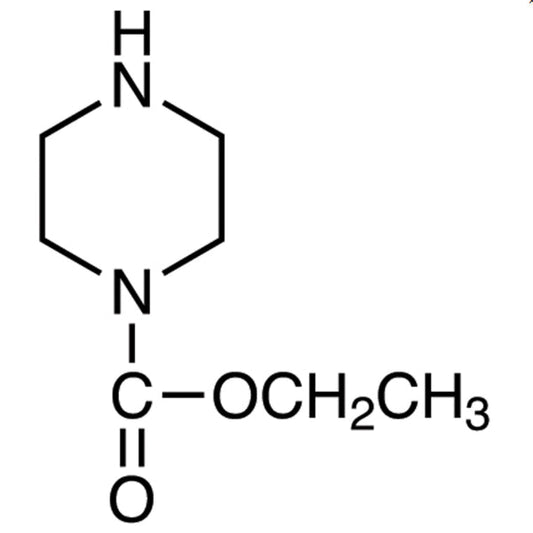
- TCI P1349 120-43-4 Ethyl 1-Piperazinecarboxylate
- TCI T4080 5329-29-3 Hydrazinecarbohydrazonohydrazide Hydrochloride
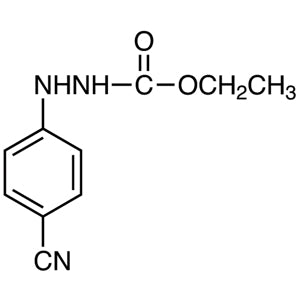
- TCI E1299 700371-70-6 Ethyl 2-(4-Cyanophenyl)hydrazinecarboxylate
- TCI B3880 59378-75-5 1-(tert-Butoxycarbonyl)-3-pyrrolidinecarboxylic Acid
- Amide synthesis: direct aminolysis of the ester with primary or secondary amines gives pyrazine carboxamides, and the electron-poor ring makes this conversion proceed more readily than with ordinary aromatic esters.
- Hydrazide preparation: treatment with hydrazine converts the ester into the corresponding hydrazide, which serves as a versatile gateway intermediate towards a range of further heterocyclic systems.
- Carboxylic acid access: straightforward hydrolysis of the ester liberates pyrazinecarboxylic acid whenever a free acid functionality is required for coupling or salt formation in a subsequent step.
- Reduction chemistry: the ester group can be reduced to the corresponding alcohol, allowing laboratories to install a hydroxymethyl handle on the pyrazine ring for further functionalisation.
- Metal coordination studies: the two opposing nitrogen atoms of the pyrazine ring act as coordination sites, making the compound useful for preparing and investigating metal complexes and related ligand systems.
| Brand | TCI |
|---|---|
| CAS number | 6164-79-0 |
| Molecular formula | — |
| Purity | — |
| Category | Chemistry > Building Blocks > Heterocyclic Building Blocks |
| Pack sizes | available in standard TCI research-scale packaging; please confirm the currently offered sizes when ordering |
| Physical form | — |
| Storage | keep in a closed original container under the conditions stated on the manufacturer's label |
- Product code: M2015
Store the material in its tightly closed original container in a cool, dry, and well-ventilated area, away from direct sunlight, heat sources, and incompatible reagents. Chemically resistant glass or the manufacturer's supplied packaging is suitable for storage, and containers should be resealed promptly after each use to limit exposure to atmospheric moisture. Handle in a fume hood using standard personal protective equipment, including safety goggles, a laboratory coat, and chemically resistant gloves. Avoid inhalation of dust and contact with skin and eyes, wash hands thoroughly after handling, and follow the manufacturer's safety data sheet together with the applicable institutional waste disposal procedures.
—
Produk Terkait
-
PyrazinecarboxylicAcid TCI P0940
Regular price From Rp 1.035.300,00Regular price -
2-PiperazinecarboxylicAcidDihydrochloride TCI P1391
Regular price From Rp 1.298.850,00Regular price -
Ethyl1-Piperazinecarboxylate TCI P1349
Regular price Rp 875.700,00Regular price -
HydrazinecarbohydrazonohydrazideHydrochloride TCI T4080
Regular price From Rp 2.625.000,00Regular price -
Ethyl2-(4-Cyanophenyl)hydrazinecarboxylate TCI E1299
Regular price From Rp 1.087.800,00Regular price -
1-(tert-Butoxycarbonyl)-3-pyrrolidinecarboxylicAcid TCI B3880
Regular price Rp 1.670.550,00Regular price -
9-AcridinecarboxylicAcidHydrate TCI A1505
Regular price Rp 1.298.850,00Regular price -
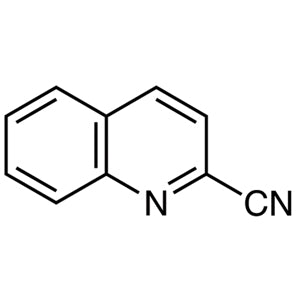
2-Quinolinecarbonitrile TCI Q0099
Regular price From Rp 1.485.750,00Regular price