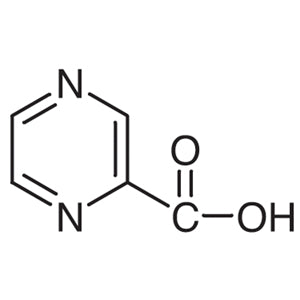
Pyrazinecarboxylic Acid (CAS 98-97-5), also known as TCI P0940, is a key chemical compound used in the synthesis of heterocyclic compounds. It serves as a fundamental building block in organic chemistry, playing a crucial role in the formation of complex molecular structures such as pyrazine and related derivatives. This compound is widely utilized in laboratory settings for its ability to participate in various chemical reactions, making it an essential reagent for researchers working in synthetic chemistry. Its presence in laboratory workflows supports the development of new materials, pharmaceuticals, and analytical tools.
Pyrazinecarboxylic Acid is valued for its chemical stability and high reactivity, which allow it to interact effectively with a range of reagents, including amines, alcohols, and acids. These properties make it a versatile choice for synthetic applications, enabling the creation of diverse functional compounds. Its simple yet flexible molecular structure further enhances its utility, as it can be modified to suit specific research objectives. This adaptability ensures that it remains a preferred material in both academic and industrial laboratory environments.
In Indonesian laboratories, Pyrazinecarboxylic Acid is extensively used in organic chemistry research, particularly in pharmaceutical, material science, and analytical chemistry fields. It is a critical component in the development of new compounds with industrial and medicinal applications. Its role in the synthesis of heterocyclic compounds makes it an indispensable tool for researchers aiming to innovate and advance scientific knowledge.
Related TCI products
- TCI M2015 6164-79-0 Methyl 2-Pyrazinecarboxylate
- TCI P1391 3022-15-9 2-Piperazinecarboxylic Acid Dihydrochloride
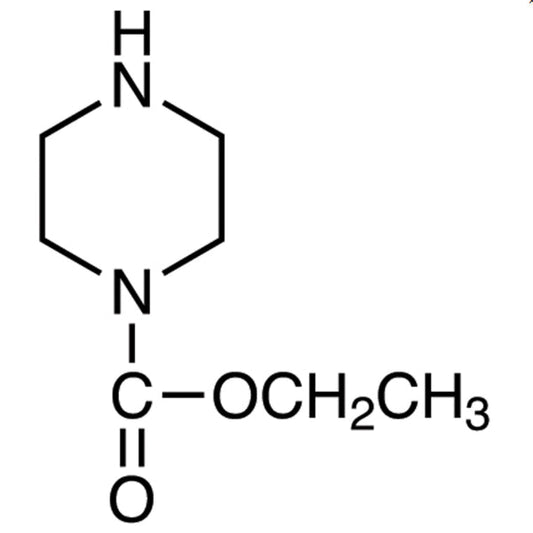
- TCI P1349 120-43-4 Ethyl 1-Piperazinecarboxylate
- TCI T4080 5329-29-3 Hydrazinecarbohydrazonohydrazide Hydrochloride
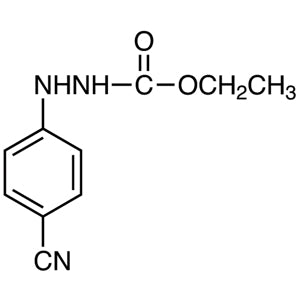
- TCI E1299 700371-70-6 Ethyl 2-(4-Cyanophenyl)hydrazinecarboxylate
- TCI B3880 59378-75-5 1-(tert-Butoxycarbonyl)-3-pyrrolidinecarboxylic Acid
- Organic synthesis of heterocyclic compounds due to its ability to form stable intermediates and participate in various reaction mechanisms.
- Pharmaceutical research for the development of new drugs, as it can be modified to produce bioactive molecules with specific therapeutic properties.
- Material science applications in the creation of advanced polymers and functional materials through controlled chemical modifications.
- Analytical chemistry for the synthesis of standards and reagents used in qualitative and quantitative analysis techniques.
- Industrial chemical processes where heterocyclic structures are required for the production of dyes, pesticides, and other specialty chemicals.
| Brand | TCI |
|---|---|
| CAS number | 98-97-5 |
| Molecular formula | — |
| Purity | — |
| Category | Chemistry > Building Blocks > Heterocyclic Building Blocks |
| Pack sizes | Available in standard laboratory quantities |
| Physical form | Solid |
| Storage | Store in a cool, dry place away from moisture and direct sunlight |
Pyrazinecarboxylic Acid should be stored in a cool, dry environment to maintain its chemical stability and prevent degradation. It is recommended to keep the material in a sealed container to avoid exposure to moisture and air, which could affect its reactivity. Proper labeling of storage containers is essential for safety and traceability. In laboratory settings, it should be handled with appropriate personal protective equipment, including gloves and safety goggles, to minimize direct contact. Due to its reactivity, it should be stored separately from incompatible substances such as strong oxidizers or acids. Regular monitoring of storage conditions ensures the integrity and usability of the compound for research purposes.
—
Produk Terkait
-
Methyl2-Pyrazinecarboxylate TCI M2015
Regular price From Rp 1.458.450,00Regular price -
2-PiperazinecarboxylicAcidDihydrochloride TCI P1391
Regular price From Rp 1.298.850,00Regular price -
Ethyl1-Piperazinecarboxylate TCI P1349
Regular price Rp 875.700,00Regular price -
HydrazinecarbohydrazonohydrazideHydrochloride TCI T4080
Regular price From Rp 2.625.000,00Regular price -
Ethyl2-(4-Cyanophenyl)hydrazinecarboxylate TCI E1299
Regular price From Rp 1.087.800,00Regular price -
1-(tert-Butoxycarbonyl)-3-pyrrolidinecarboxylicAcid TCI B3880
Regular price Rp 1.670.550,00Regular price -
9-AcridinecarboxylicAcidHydrate TCI A1505
Regular price Rp 1.298.850,00Regular price -
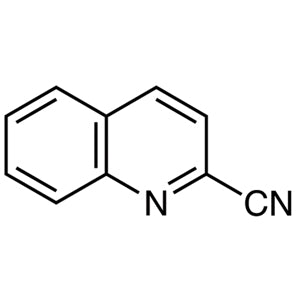
2-Quinolinecarbonitrile TCI Q0099
Regular price From Rp 1.485.750,00Regular price