TCI M3022, bearing CAS number 18997-57-4, is 4-Methylumbelliferyl beta-D-Glucopyranoside, a fluorogenic substrate developed specifically for measuring beta-glucosidase enzyme activity. The molecule consists of a glucose sugar unit joined through a beta-glycosidic linkage to 4-methylumbelliferone, a fluorescent coumarin. While the glycosidic bond remains intact, the fluorescence of the molecule is very weak; once an enzyme cleaves that bond, free 4-methylumbelliferone is released and emits strong blue fluorescence. This change in signal is read as a direct measure of enzyme activity in biochemical and microbiological laboratories.
The advantage that makes this substrate a preferred choice is a sensitivity far exceeding that of conventional chromogenic substrates, so that even very low enzyme activity remains detectable without requiring large sample volumes. Readings are commonly taken at ultraviolet excitation around 360 nm with blue emission around 450 nm after the addition of an alkaline stop solution, which simultaneously maximises fluorescence intensity. The low background provides a generous signal-to-noise ratio, while the specificity of the beta configuration ensures that only the intended enzyme class is measured.
In Indonesian laboratories, this substrate is used in research and routine testing settings where beta-glucosidase activity must be quantified reliably. It suits university biochemistry laboratories, microbiology units, and research institutions working on enzymes and glycoside metabolism. Because it is supplied as a defined TCI reagent with a stated CAS identity, it fits workflows that require traceable reagent identity, consistent day-to-day performance, and results that can be compared between assay batches and between laboratories.
TCI brochures (PDF)
- Reagents for Biological Research 2025-03-11 · p. 22
Related TCI products
- TCI B5393 15548-60-4 5-Bromo-4-chloro-3-indolyl beta-D-Glucopyranoside
- TCI N0493 3767-28-0 4-Nitrophenyl alpha-D-Glucopyranoside [Substrate for alpha-D-Glucosidase]
- TCI N0235 2492-87-7 4-Nitrophenyl beta-D-Glucopyranoside Monohydrate [Substrate for beta-D-Glucosidase]
- TCI M3030 37067-30-4 4-Methylumbelliferyl 2-Acetamido-2-deoxy-beta-D-glucopyranoside
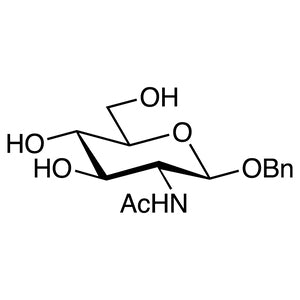
- TCI B6760 13343-67-4 Benzyl 2-Acetamido-2-deoxy-beta-D-glucopyranoside
- TCI M3029 36476-29-6 4-Methylumbelliferyl 2-Acetamido-2-deoxy-beta-D-galactopyranoside
- Beta-glucosidase activity assays: the fluorogenic design converts enzymatic cleavage directly into a measurable blue fluorescence signal, giving a quantitative readout of activity.
- Enzyme kinetics studies: the very low background fluorescence of the intact substrate allows small, early changes in reaction rate to be followed with confidence over time.
- Microbiological enzyme screening: high sensitivity permits detection of weak beta-glucosidase activity in cultures without needing large sample volumes or lengthy incubation steps.
- Glycoscience research: the defined beta-glycosidic linkage to glucose makes it a specific probe for studying glycoside hydrolysis and the behaviour of glycoside-processing enzymes.
- Microplate fluorescence assays: excitation near 360 nm with emission near 450 nm after alkaline stop solution suits standard fluorescence plate reader configurations used routinely.
| Brand | TCI |
|---|---|
| CAS number | 18997-57-4 |
| Molecular formula | — |
| Purity | — |
| Category | Chemistry > Chemical Biology > Glycoscience |
| Pack sizes | — |
| Physical form | — |
| Storage | store according to the manufacturer's stated conditions on the product label |
- Chemical name: 4-Methylumbelliferyl beta-D-Glucopyranoside
- Catalogue code: M3022
Store the container closed tightly in a cool, dry place away from direct sunlight and sources of heat, following the storage conditions stated by the manufacturer on the product label. Keep the material in its original container, or in a clean, well-sealed amber glass container that limits exposure to light and moisture, since the fluorescent coumarin group is best protected from prolonged light exposure. Handle in a well-ventilated laboratory area using standard personal protective equipment, including safety glasses, a laboratory coat, and suitable gloves. Prepare solutions with clean glassware, label all working solutions clearly, and consult the manufacturer's safety data sheet before use and before disposal.
—
Product Categories
Produk Terkait
-
5-Bromo-4-chloro-3-indolylbeta-D-Glucopyranoside TCI B5393
Regular price From Rp 1.220.100,00Regular price -
4-Nitrophenylalpha-D-Glucopyranoside[Substrateforalpha-D-Glucosidase] TCI N0493
Regular price From Rp 2.147.250,00Regular price -
4-Nitrophenylbeta-D-GlucopyranosideMonohydrate[Substrateforbeta-D-Glucosidase] TCI N0235
Regular price From Rp 2.359.350,00Regular price -
4-Methylumbelliferyl2-Acetamido-2-deoxy-beta-D-glucopyranoside TCI M3030
Regular price From Rp 2.439.150,00Regular price -
Benzyl2-Acetamido-2-deoxy-beta-D-glucopyranoside TCI B6760
Regular price Rp 6.042.750,00Regular price -
4-Methylumbelliferyl2-Acetamido-2-deoxy-beta-D-galactopyranoside TCI M3029
Regular price From Rp 3.180.450,00Regular price -
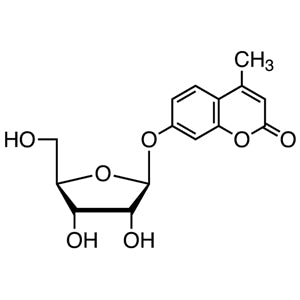
4-Methylumbelliferylbeta-D-Ribofuranoside TCI M3027
Regular price From Rp 4.108.650,00Regular price -
4-Methylumbelliferylbeta-D-GlucuronideHydrate TCI M3026
Regular price From Rp 1.565.550,00Regular price

![3767-28-0 4-Nitrophenyl alpha-D-Glucopyranoside [Substrate for alpha-D-Glucosidase] - AMI Scientific](http://amiscientific.com/cdn/shop/files/TCI2510N0493.jpg?v=1767129938&width=533)
![2492-87-7 4-Nitrophenyl beta-D-Glucopyranoside Monohydrate [Substrate for beta-D-Glucosidase] - AMI Scientific](http://amiscientific.com/cdn/shop/files/TCI2510N0235.jpg?v=1767129472&width=533)