

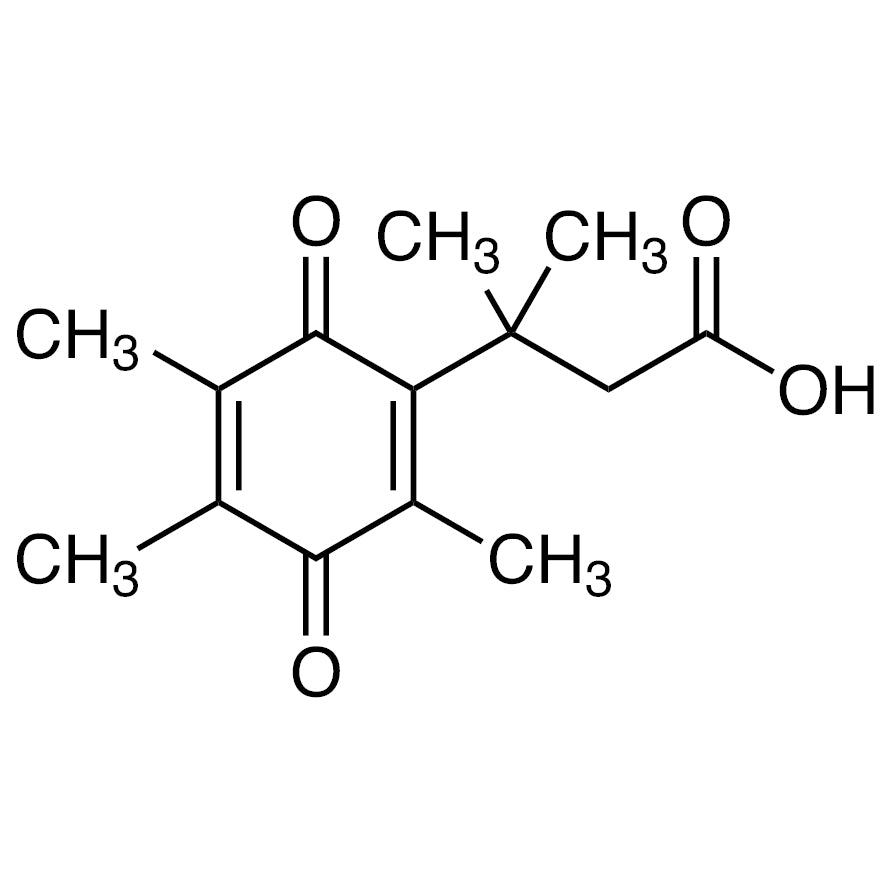
3-Methyl-3-(2,4,5-trimethyl-3,6-dioxocyclohexa-1,4-dien-1-yl)butanoic Acid is a complex chemical compound commonly used in various chemical and pharmacological experiments. This compound plays a crucial role in laboratory settings where precise chemical synthesis and analysis are required. Its unique molecular structure, consisting of a carbon chain linked with a carboxylic acid group and a cyclic system, makes it a versatile reagent for scientific research. Due to its chemical properties, it is widely utilized in both academic and industrial laboratories for its ability to participate in diverse chemical reactions.
The compound’s chemical properties make it a preferred choice for researchers seeking high precision in their work. It exhibits stability under certain conditions, though it is highly sensitive to moisture and light exposure. This sensitivity necessitates careful handling and controlled storage environments. Its complex molecular structure allows for a wide range of chemical interactions, making it suitable for applications in synthesis, biological testing, and analytical chemistry. The compound’s reactivity also enhances its value in the development of new chemical compounds and pharmaceutical formulations.
In Indonesian laboratories, this compound is commonly used in pure chemical research, pharmacological studies, and chemical analysis. It is an essential tool for scientists and researchers working in academic institutions, research centers, and industrial laboratories. Its application spans across various scientific disciplines, contributing to advancements in both basic and applied research. The compound’s reliability and versatility make it a valuable resource for scientific investigations in Indonesia.
Related TCI products
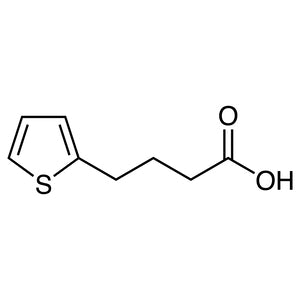
- TCI T4178 4653-11-6 4-(Thiophen-2-yl)butanoic Acid
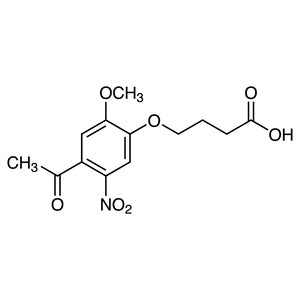
- TCI A3678 188891-18-1 4-(4-Acetyl-2-methoxy-5-nitrophenoxy)butanoic Acid
- TCI M3886 31349-48-1 4-(1-Methyl-5-nitro-1H-benzo[d]imidazol-2-yl)butanoic Acid
- TCI F1247 135112-27-5 (S)-2-[[[(9H-Fluoren-9-yl)methoxy]carbonyl]amino]butanoic Acid
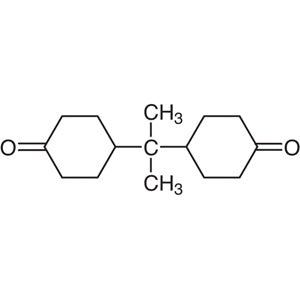
- TCI B1672 7418-16-8 2,2-Bis(4-oxocyclohexyl)propane
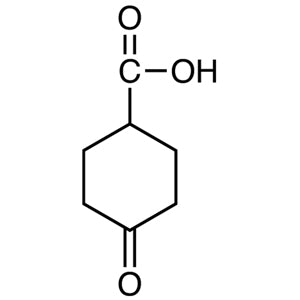
- TCI O0474 874-61-3 4-Oxocyclohexanecarboxylic Acid
- Chemical synthesis applications benefit from this compound’s reactivity and unique molecular structure, enabling the creation of complex organic molecules.
- Pharmacological research utilizes it for testing biological activities and drug development due to its chemical versatility and specificity.
- Analytical chemistry relies on its stability and reactivity to perform accurate and reliable chemical analysis in controlled environments.
- Organic chemistry experiments use it as a key reagent for exploring reaction mechanisms and functional group transformations.
- Environmental studies incorporate it for assessing chemical interactions and degradation processes in various environmental matrices.
| Brand | TCI |
|---|---|
| CAS number | 40662-29-1 |
| Molecular formula | — |
| Purity | — |
| Category | TCI |
| Pack sizes | Available in various quantities as per standard laboratory supply |
| Physical form | Solid or powder, depending on the specific formulation |
| Storage | Store in a cool, dry place away from light and moisture |
This compound should be stored in a cool, dry environment, away from direct light and moisture to maintain its chemical stability. It is recommended to use airtight, light-resistant containers to prevent degradation. Due to its sensitivity, it should be handled with care, using appropriate personal protective equipment such as gloves and safety goggles. In laboratory settings, it is important to ensure proper ventilation and avoid exposure to heat or humidity. The compound should be kept in a designated storage area that is accessible only to authorized personnel to prevent accidental contamination or misuse. Proper labeling and documentation are essential for safe handling and traceability.
—
Produk Terkait
-
4-(Thiophen-2-yl)butanoicAcid TCI T4178
Regular price From Rp 955.500,00Regular price -
4-(4-Acetyl-2-methoxy-5-nitrophenoxy)butanoicAcid TCI A3678
Regular price Rp 1.856.400,00Regular price -
4-(1-Methyl-5-nitro-1H-benzo[d]imidazol-2-yl)butanoicAcid TCI M3886
Regular price Rp 3.976.350,00Regular price -
(S)-2-[[[(9H-Fluoren-9-yl)methoxy]carbonyl]amino]butanoicAcid TCI F1247
Regular price From Rp 1.115.100,00Regular price -
2,2-Bis(4-oxocyclohexyl)propane TCI B1672
Regular price From Rp 4.691.400,00Regular price -
4-OxocyclohexanecarboxylicAcid TCI O0474
Regular price Rp 3.763.200,00Regular price -
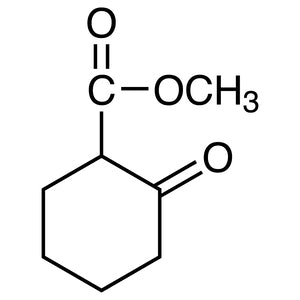
Methyl2-Oxocyclohexanecarboxylate TCI M2316
Regular price Rp 2.359.350,00Regular price -
Nalpha-[(9H-Fluoren-9-ylmethyloxy)carbonyl]-Nepsilon-1-(4,4-dimethyl-2,6-dioxocyclohex-1-ylidene)ethyl-L-lysine TCI F1270
Regular price From Rp 2.650.200,00Regular price
![31349-48-1 4-(1-Methyl-5-nitro-1H-benzo[d]imidazol-2-yl)butanoic Acid - AMI Scientific](http://amiscientific.com/cdn/shop/files/TCI2510M3886.jpg?v=1769181080&width=533)
![(S)-2-[[[(9H-Fluoren-9-yl)methoxy]carbonyl]amino]butanoic Acid (CAS 135112-27-5) - TCI F1247 - AMI Scientific](http://amiscientific.com/cdn/shop/files/TCI2510F1247.jpg?v=1771057882&width=533)
![(S)-2-[[[(9H-Fluoren-9-yl)methoxy]carbonyl]amino]butanoic Acid (CAS 135112-27-5) - TCI F1247 - AMI Scientific](http://amiscientific.com/cdn/shop/files/TCI2510F1247_eb046525-db9e-4cf6-88f4-4cdcf4aef85d.jpg?v=1771057940&width=533)
![Nalpha-[(9H-Fluoren-9-ylmethyloxy)carbonyl]-Nepsilon-1-(4,4-dimethyl-2,6-dioxocyclohex-1-ylidene)ethyl-L-lysine (CAS 150629-67-7) - TCI F1270 - AMI Scientific](http://amiscientific.com/cdn/shop/files/TCI2510F1270.jpg?v=1768205463&width=533)