1-Methyl-1-propylpyrrolidin-1-ium Bromide is a specialized chemical compound used in advanced laboratory synthesis processes. As an ionic liquid, it plays a crucial role in facilitating chemical reactions by acting as a non- volatile solvent and reaction medium. Its unique properties make it an essential tool for researchers aiming to achieve controlled and efficient chemical transformations. This compound is particularly valuable in scenarios where traditional solvents may not provide the necessary stability or reactivity control. Its application spans across various fields of chemistry, including organic synthesis and analytical chemistry, where precision and reliability are paramount.
The compound’s stability, non-volatility, and excellent ionic conductivity are key factors that make it a preferred choice in laboratory settings. These properties ensure that the compound remains inert during reactions, minimizing the risk of unwanted side reactions or degradation of other compounds. Its ability to dissolve a wide range of organic and inorganic substances enhances its versatility in different synthetic approaches. Additionally, its high boiling point allows for reactions to be carried out under controlled temperature conditions, making it suitable for complex and high-precision chemical processes.
In Indonesian laboratories, 1-Methyl-1-propylpyrrolidin-1-ium Bromide is widely used in scientific research and product development. It is commonly found in academic institutions and research centers, where it supports both teaching and experimental work. Its application in organic and analytical chemistry makes it a valuable resource for students and professionals alike, contributing to the advancement of chemical knowledge and innovation.
TCI brochures (PDF)
- Ionic Liquids 2026-06-08 · p. 12
Related TCI products
- TCI M2980 852620-97-4 1-Methyl-1-propylpyrrolidinium Bis(fluorosulfonyl)imide
- TCI M2098 223437-05-6 1-Methyl-1-propylpyrrolidinium Bis(trifluoromethanesulfonyl)imide
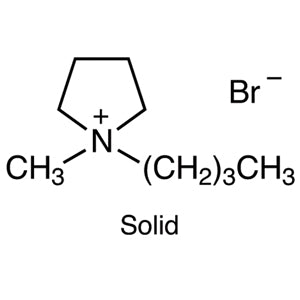
- TCI B3427 93457-69-3 1-Butyl-1-methylpyrrolidinium Bromide
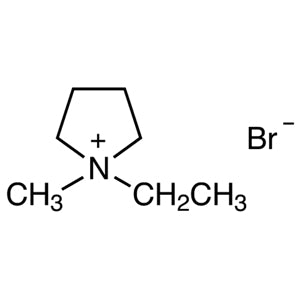
- TCI E1050 69227-51-6 1-Ethyl-1-methylpyrrolidinium Bromide
- TCI H1824 380497-19-8 1-Hexyl-1-methylpyrrolidin-1-ium Bis((trifluoromethyl)sulfonyl)amide
- TCI E1498 223436-99-5 1-Ethyl-1-methylpyrrolidin-1-ium Bis[(trifluoromethyl)sulfonyl]amide
- Organic synthesis reactions benefit from this ionic liquid due to its non- volatile nature and ability to dissolve a wide range of organic compounds, enabling efficient and controlled chemical transformations.
- Electrochemical studies utilize this compound because of its high ionic conductivity, which facilitates the movement of ions and enhances the performance of electrochemical systems.
- Analytical chemistry applications leverage its stability and solubility properties to support the accurate analysis of complex mixtures and compounds.
- Green chemistry initiatives incorporate this material as a sustainable alternative to traditional volatile solvents, reducing environmental impact and improving safety in the lab.
- Pharmaceutical research uses this compound as a reaction medium for the synthesis of complex drug molecules, offering enhanced reaction control and product purity.
| Brand | TCI |
|---|---|
| CAS number | 608140-09-6 |
| Molecular formula | — |
| Purity | — |
| Category | Chemistry > Specialty Synthesis > Ionic Liquids [Specialty Synthesis] |
| Pack sizes | Available in various quantities as per standard supplier offerings |
| Physical form | Liquid |
| Storage | Store in a cool, dry place away from direct sunlight and incompatible materials |
This compound should be stored in a cool, dry environment to maintain its chemical integrity and prevent degradation. It is recommended to use sealed containers made of materials compatible with ionic liquids, such as glass or high-density polyethylene, to avoid contamination and evaporation. Due to its non-volatile nature, it does not require refrigeration but should be protected from moisture and heat. In laboratory settings, it is important to handle the compound with appropriate personal protective equipment to ensure safety. Regular monitoring of storage conditions is advised to maintain optimal performance and safety standards.
—
Produk Terkait
-
1-Methyl-1-propylpyrrolidiniumBis(fluorosulfonyl)imide TCI M2980
Regular price From Rp 2.809.800,00Regular price -
1-Methyl-1-propylpyrrolidiniumBis(trifluoromethanesulfonyl)imide TCI M2098
Regular price From Rp 2.041.200,00Regular price -
1-Butyl-1-methylpyrrolidiniumBromide TCI B3427
Regular price From Rp 1.035.300,00Regular price -
1-Ethyl-1-methylpyrrolidiniumBromide TCI E1050
Regular price From Rp 505.050,00Regular price -
1-Hexyl-1-methylpyrrolidin-1-iumBis((trifluoromethyl)sulfonyl)amide TCI H1824
Regular price From Rp 2.016.000,00Regular price -
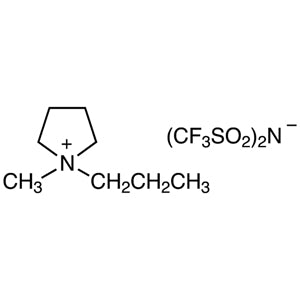
1-Ethyl-1-methylpyrrolidin-1-iumBis[(trifluoromethyl)sulfonyl]amide TCI E1498
Regular price Rp 1.856.400,00Regular price -
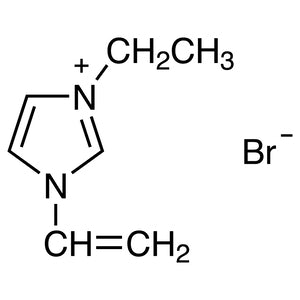
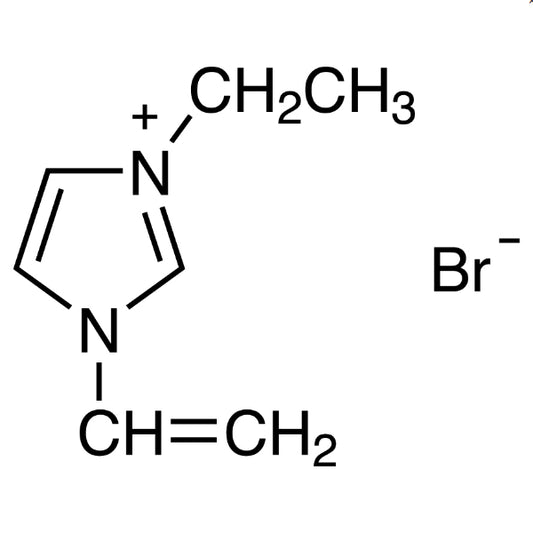
3-Ethyl-1-vinyl-1H-imidazol-3-iumBromide TCI V0183
Regular price From Rp 980.700,00Regular price -
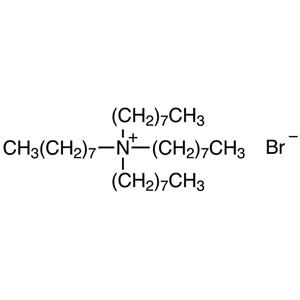
Tetra-n-octylammoniumBromide TCI T1603
Regular price From Rp 1.565.550,00Regular price


![1-Ethyl-1-methylpyrrolidin-1-ium Bis[(trifluoromethyl)sulfonyl]amide (CAS 223436-99-5) - TCI E1498 - AMI Scientific](http://amiscientific.com/cdn/shop/files/TCI2510E1498.jpg?v=1768197366&width=533)