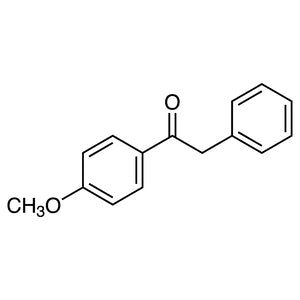
1-(4-Methoxyphenyl)-2-phenylethanone is a chemical compound widely used as a building block in synthetic chemistry. It serves as a versatile intermediate in the creation of complex molecules, making it essential for researchers working in various scientific fields. Its molecular structure allows for participation in multiple chemical reactions, including substitution, reduction, and oxidation, which makes it a valuable tool in laboratory settings. This compound is commonly found in synthetic applications, particularly in the development of pharmaceuticals, organic materials, and industrial chemicals.
The unique reactivity of 1-(4-Methoxyphenyl)-2-phenylethanone is largely attributed to the methoxy group in its molecular structure. This functional group enhances its ability to undergo various chemical transformations, making it a preferred choice for chemists seeking to design new compounds or optimize existing synthetic routes. Its chemical stability under controlled conditions also contributes to its reliability in laboratory experiments. However, it is sensitive to high temperatures and light exposure, which requires careful handling and storage.
In Indonesian laboratories, 1-(4-Methoxyphenyl)-2-phenylethanone is extensively used in research related to pharmaceuticals, organic chemistry, and material sciences. It is a common component in the development of new drugs and the improvement of synthetic processes. Many research institutions and universities rely on this compound to advance their scientific projects and contribute to the broader field of chemical innovation.
Related TCI products
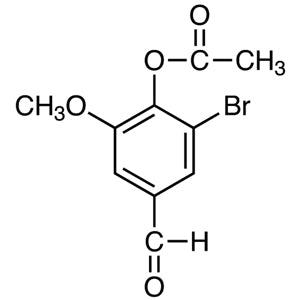
- TCI B5230 308088-29-1 2-Bromo-4-formyl-6-methoxyphenyl Acetate
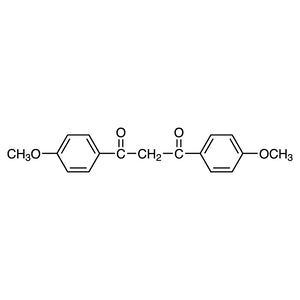
- TCI B1733 18362-51-1 1,3-Bis(4-methoxyphenyl)-1,3-propanedione
- TCI A2946 881-57-2 5-Formyl-2-methoxyphenyl Acetate
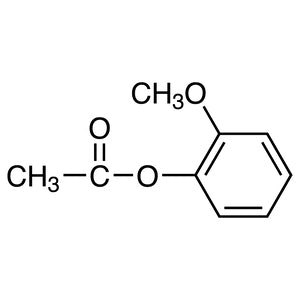
- TCI A1381 613-70-7 2-Methoxyphenyl Acetate
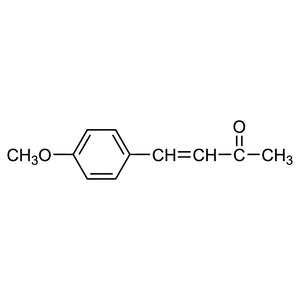
- TCI M3899 943-88-4 4-(4-Methoxyphenyl)but-3-en-2-one
- TCI M3888 20401-88-1 3-(4-Methoxyphenyl)propanal
- Drug synthesis applications benefit from this compound due to its reactivity and structural versatility, enabling the creation of complex pharmaceutical molecules.
- Organic chemistry research utilizes this compound as a key intermediate in the synthesis of various organic compounds, supporting the development of new materials and chemicals.
- Industrial chemical production relies on this compound for the synthesis of specialty chemicals, contributing to the manufacturing of high-value products.
- Material science applications use this compound to create functional organic materials, aiding in the development of advanced polymers and coatings.
- Academic research in Indonesian universities frequently incorporates this compound in synthetic experiments, supporting educational and scientific advancements.
| Brand | TCI |
|---|---|
| CAS number | 1023-17-2 |
| Molecular formula | — |
| Purity | — |
| Category | Chemistry > Building Blocks > Non-Heterocyclic Building Blocks |
| Pack sizes | Available in various quantities as per supplier specifications |
| Physical form | Solid (as per standard product description) |
| Storage | Store in a cool, dark place away from direct sunlight and moisture |
This compound should be stored in a cool, dark environment to prevent degradation due to light exposure. It is recommended to keep it in a tightly sealed container to avoid moisture absorption. Due to its sensitivity to high temperatures, it should be stored in a temperature-controlled area. Laboratory personnel should handle it with care, using appropriate personal protective equipment. It is advisable to store it in a well-ventilated area to minimize any potential risks associated with its chemical properties. Proper storage ensures the compound remains stable and effective for use in various synthetic applications.
—
Produk Terkait
-
2-Bromo-4-formyl-6-methoxyphenylAcetate TCI B5230
Regular price Rp 1.749.300,00Regular price -
1,3-Bis(4-methoxyphenyl)-1,3-propanedione TCI B1733
Regular price From Rp 4.056.150,00Regular price -
5-Formyl-2-methoxyphenylAcetate TCI A2946
Regular price From Rp 2.466.450,00Regular price -
2-MethoxyphenylAcetate TCI A1381
Regular price Rp 4.056.150,00Regular price -
4-(4-Methoxyphenyl)but-3-en-2-one TCI M3899
Regular price From Rp 2.359.350,00Regular price -
3-(4-Methoxyphenyl)propanal TCI M3888
Regular price Rp 3.605.700,00Regular price -
2-(4-Methoxyphenyl)acetylChloride TCI M3877
Regular price From Rp 1.087.800,00Regular price -
4-MethoxyphenylAcetate TCI M3734
Regular price From Rp 1.749.300,00Regular price