2-Hydroxy-5-methylisoindoline-1,3-dione is a chemical compound widely used in research applications within organic and biochemical laboratories. It serves as a key intermediate in the synthesis of complex molecules, particularly in the development of bioactive compounds and peptides. This compound is essential for researchers aiming to create molecules with specific biological activities, such as pharmaceuticals or therapeutic agents. Its presence in laboratory workflows supports the advancement of chemical biology and medicinal chemistry by enabling the construction of complex molecular frameworks.
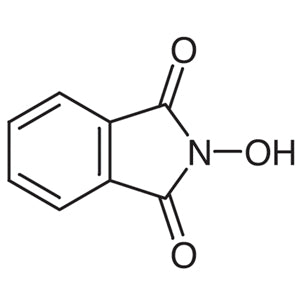
The compound’s unique chemical structure, featuring two carbonyl groups and one hydroxyl group, contributes to its reactivity and polarity. These properties make it highly suitable for chemical reactions involving substitution and condensation processes. Its ability to participate in a variety of synthetic pathways enhances its utility in laboratory settings, where versatility and reactivity are critical. The compound’s chemical profile allows it to be a valuable tool for researchers working on the development of new bioactive substances.
In Indonesian laboratories, 2-Hydroxy-5-methylisoindoline-1,3-dione is commonly used in biochemical and pharmacological research. It is a staple in academic and research institutions, where it is employed to study the mechanisms of biological activity in various compounds. Its role in the synthesis of bioactive molecules makes it an important component in the pursuit of scientific discovery and innovation within the local scientific community.
Advantages (TCI brochure)
- Enables synthesis of redox-active esters by condensation with carboxylic acids
- Obtained RAEs are applicable to C(sp2)-C(sp3) cross-coupling reactions
TCI brochures (PDF)
- N-Hydroxyphthalimide Derivatives for the Synthesis of Redox Active Esters 2024-02-06 · p. 1
- Condensing Agents 2025-11-18 · p. 6
Related TCI products
- TCI M3572 214754-50-4 2-Hydroxy-5-methoxyisoindoline-1,3-dione
- TCI B0249 6066-82-6 N-Hydroxysuccinimide [Coupling Reagent for Peptide]
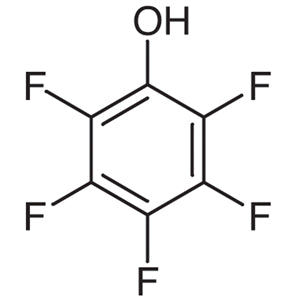
- TCI P0919 771-61-9 Pentafluorophenol
- TCI H0623 6066-82-6 N-Hydroxysuccinimide
- TCI H0395 524-38-9 N-Hydroxyphthalimide
- TCI E0363 16357-59-8 1-Ethoxycarbonyl-2-ethoxy-1,2-dihydroquinoline
- Bioactive Compound Synthesis: This compound is ideal for synthesizing bioactive molecules due to its reactive functional groups and structural versatility, making it a key reagent in pharmaceutical research.
- Peptide Chemistry Research: Its ability to participate in condensation reactions makes it suitable for peptide synthesis, supporting studies in protein structure and function.
- Organic Synthesis Applications: The compound’s polar nature and reactivity make it a valuable intermediate in the synthesis of complex organic molecules.
- Pharmacological Studies: It is frequently used in drug development to explore the chemical pathways of bioactive substances and their biological effects.
- Chemical Biology Investigations: Its structural complexity supports research into molecular interactions and biochemical mechanisms in living systems.
From the TCI brochure
- Decarboxylative cross-coupling between small-ring alkyl carboxylic acid active ester and aryl bromide
| Brand | TCI |
|---|---|
| CAS number | 173962-59-9 |
| Molecular formula | — |
| Purity | — |
| Category | Chemistry > Chemical Biology > Peptide Chemistry |
| Pack sizes | As available from supplier |
| Physical form | Solid (as per standard product description) |
| Storage | Store in a cool, dry place away from light |
Data from the TCI brochure
| Ep (vs. Fc+/Fc) of RAE | -1.704 V (RAE with R = phenylcyclopropyl group as drawn in brochure) |
|---|
Source: TCI brochure RR190 (2024-02-06)
This compound should be stored in a cool, dry environment, away from direct sunlight and sources of heat. It is recommended to use airtight containers to prevent moisture absorption and contamination. Due to its reactive nature, it should be handled with care, using appropriate personal protective equipment such as gloves and safety goggles. It is important to ensure proper ventilation in the laboratory when working with this compound to minimize exposure. Avoid contact with incompatible materials, and follow standard laboratory safety protocols to ensure safe handling and storage.
References cited in the TCI brochure
- Daniel C. Salgueiro. Control of Redox‐Active Ester Reactivity Enables a General Cross‐Electrophile Approach to Access Arylated Strained Rings** Angewandte Chemie International Edition, 2022. doi:10.1002/anie.202205673
Product Categories
Produk Terkait
-
2-Hydroxy-5-methoxyisoindoline-1,3-dione TCI M3572
Regular price From Rp 1.246.350,00Regular priceRp 887.250,00Sale price From Rp 1.246.350,00 -
N-Hydroxysuccinimide[CouplingReagentforPeptide] TCI B0249
Regular price From Rp 1.988.700,00Regular priceRp 1.405.950,00Sale price From Rp 1.988.700,00 -
Pentafluorophenol TCI P0919
Regular price From Rp 1.590.750,00Regular priceRp 1.111.950,00Sale price From Rp 1.590.750,00 -
N-Hydroxysuccinimide TCI H0623
Regular price From Rp 1.220.100,00Regular priceRp 868.350,00Sale price From Rp 1.220.100,00 -
N-Hydroxyphthalimide TCI H0395
Regular price From Rp 717.150,00Regular priceRp 516.600,00Sale price From Rp 717.150,00 -
1-Ethoxycarbonyl-2-ethoxy-1,2-dihydroquinoline TCI E0363
Regular price Rp 2.013.900,00Regular priceRp 1.423.800,00Sale price Rp 2.013.900,00 -
Di(N-succinimidyl)Carbonate TCI D1662
Regular price From Rp 1.934.100,00Regular priceRp 1.368.150,00Sale price From Rp 1.934.100,00