4-Nitrophenyl Trifluoroacetate is a chemical compound widely used in various chemical reactions, particularly in the synthesis of organic compounds and peptides. This reagent plays a crucial role in laboratory settings where precision and reactivity are essential. It is commonly found in chemical and biochemical laboratories due to its ability to participate in substitution and coupling reactions. Its molecular structure allows for high reactivity under different chemical conditions, making it a valuable tool for researchers.
The compound exhibits stable yet reactive chemical properties, which make it suitable for high-precision chemical reactions. It dissolves well in organic solvents such as ethyl acetate and acetone, facilitating its use in laboratory procedures. Its non-toxic nature and ease of handling further enhance its appeal for scientific research. These characteristics ensure that it remains a reliable and efficient reagent in both academic and industrial research environments.
In Indonesian laboratories, 4-Nitrophenyl Trifluoroacetate is utilized in chemical and biochemical research, especially in the synthesis of complex compounds and the development of peptide methodologies. It is also employed in pharmacological and biotechnological studies to investigate molecular interactions. Its availability and affordability make it a preferred choice for researchers aiming to achieve accurate and reproducible results.
TCI brochures (PDF)
- Condensing Agents 2025-11-18 · p. 5
Related TCI products
- TCI C1400 7693-46-1 4-Nitrophenyl Chloroformate
- TCI B0249 6066-82-6 N-Hydroxysuccinimide [Coupling Reagent for Peptide]
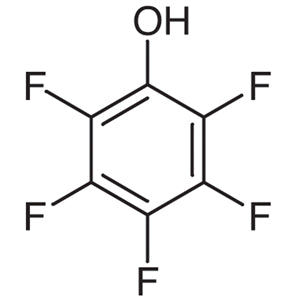
- TCI P0919 771-61-9 Pentafluorophenol
- TCI M3572 214754-50-4 2-Hydroxy-5-methoxyisoindoline-1,3-dione
- TCI M3571 173962-59-9 2-Hydroxy-5-methylisoindoline-1,3-dione
- TCI H0623 6066-82-6 N-Hydroxysuccinimide
- Organic Synthesis: This compound is ideal for organic synthesis due to its reactivity and ability to participate in substitution and coupling reactions.
- Peptide Chemistry: It is frequently used in peptide chemistry for the modification and synthesis of peptide sequences.
- Biochemical Research: Its role in biochemical research is significant, especially in the study of molecular interactions and reaction mechanisms.
- Pharmacological Studies: It is employed in pharmacological research to understand the behavior of drug molecules and their interactions.
- Biotecnological Applications: The compound supports biotechnological applications by enabling the development of new biochemical processes and methodologies.
| Brand | TCI |
|---|---|
| CAS number | 658-78-6 |
| Molecular formula | — |
| Purity | — |
| Category | Chemistry > Chemical Biology > Peptide Chemistry |
| Pack sizes | Available in various pack sizes as per supplier specifications |
| Physical form | Solid or crystalline, depending on the batch |
| Storage | Store in a cool, dry place away from direct sunlight |
This compound should be stored in a cool, dry environment, away from direct sunlight and sources of heat. It is recommended to use airtight containers to prevent moisture absorption and maintain its chemical integrity. Due to its reactivity, it should be handled with care, using appropriate personal protective equipment such as gloves and safety goggles. It is advisable to keep it in a well-ventilated area to ensure safe handling. Proper storage and handling practices help preserve its effectiveness and ensure safe laboratory operations.
—
Product Categories
Produk Terkait
-
4-NitrophenylChloroformate TCI C1400
Regular price From Rp 2.889.600,00Regular priceRp 2.035.950,00Sale price From Rp 2.889.600,00 -
N-Hydroxysuccinimide[CouplingReagentforPeptide] TCI B0249
Regular price From Rp 1.988.700,00Regular priceRp 1.405.950,00Sale price From Rp 1.988.700,00 -
Pentafluorophenol TCI P0919
Regular price From Rp 1.590.750,00Regular priceRp 1.111.950,00Sale price From Rp 1.590.750,00 -
2-Hydroxy-5-methoxyisoindoline-1,3-dione TCI M3572
Regular price From Rp 1.246.350,00Regular priceRp 887.250,00Sale price From Rp 1.246.350,00 -
2-Hydroxy-5-methylisoindoline-1,3-dione TCI M3571
Regular price From Rp 1.246.350,00Regular priceRp 887.250,00Sale price From Rp 1.246.350,00 -
N-Hydroxysuccinimide TCI H0623
Regular price From Rp 1.220.100,00Regular priceRp 868.350,00Sale price From Rp 1.220.100,00 -
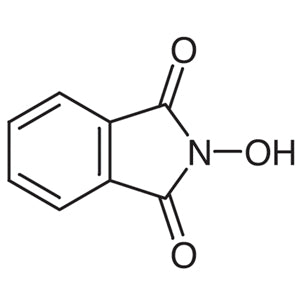
N-Hydroxyphthalimide TCI H0395
Regular price From Rp 717.150,00Regular priceRp 516.600,00Sale price From Rp 717.150,00 -
1-Ethoxycarbonyl-2-ethoxy-1,2-dihydroquinoline TCI E0363
Regular price Rp 2.013.900,00Regular priceRp 1.423.800,00Sale price Rp 2.013.900,00