Mesocarbon Microbeads (MCMB) from TCI is a carbon material in the form of microspheres, produced through the maturation of mesophase pitch and subsequently carbonised and graphitised to yield rounded particles with a neatly ordered carbon layer structure. In energy research laboratories, this material serves as a standard anode active material for lithium-ion batteries, and equally as a reference material when researchers wish to benchmark the performance of alternative anodes such as silicon composites, modified natural graphite, or hard carbon. Its presence makes both half-cell and full-cell testing more controlled and easier to reproduce across different laboratories.
The characteristics that make MCMB a widely preferred choice are its round and uniform particle morphology, which delivers good electrode packing density, smooth powder flow during slurry preparation, and a relatively controlled surface area compared with ordinary graphite flakes. That spherical shape shortens the lithium-ion diffusion path in every direction and suppresses excessive particle orientation when the electrode layer is calendered. The regular graphitic structure also supports the formation of a stable interphase layer at the electrode surface, which is one reason the material is treated as a dependable baseline in comparative electrochemical studies.
In Indonesian laboratories, MCMB is typically found in university and institutional battery research groups working on lithium-ion cell development, where it is used to prepare reference anode coatings before alternative active materials are screened. It is normally handled together with binders, conductive additives, and copper current collectors inside a coating and drying workflow, then assembled into coin cells or pouch cells for cycling tests. Because it behaves consistently, it is also useful in teaching and method-validation work.
Related TCI products
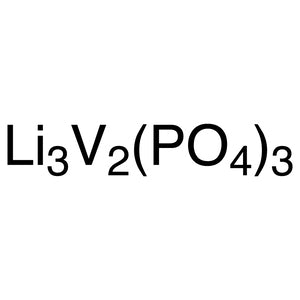
- TCI L0417 84159-18-2 Lithium Vanadium Phosphate (Li3V2(PO4)3)
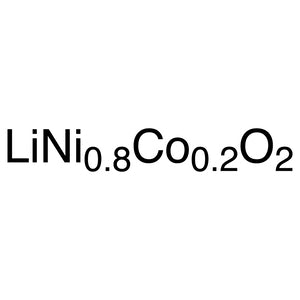
- TCI L0415 113066-89-0 Lithium Nickel Cobalt Oxide (LiNi08Co02O2)
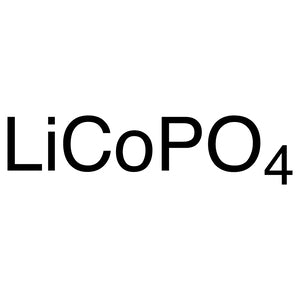
- TCI L0407 13824-63-0 Lithium Cobalt(II) Phosphate
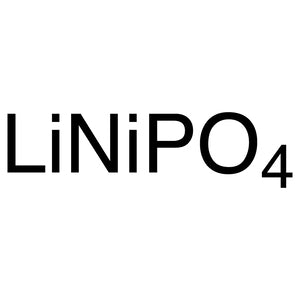
- TCI L0402 13977-83-8 Lithium Nickel(II) Phosphate
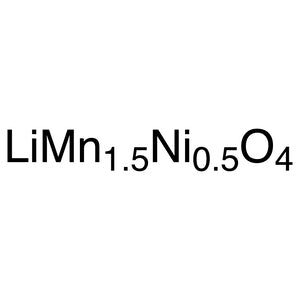
- TCI L0391 12031-75-3 Lithium Manganese Nickel Oxide (LiMn15Ni05O4)
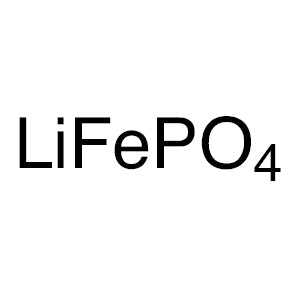
- TCI L0386 15365-14-7 Lithium Iron(II) Phosphate, Carbon-coated
- Lithium-ion anode fabrication — the spherical, uniform particles coat evenly onto copper foil and give a consistent electrode density, so cells built from different batches remain comparable.
- Benchmark and reference electrodes — researchers testing silicon composites, hard carbon, or modified natural graphite need a stable control anode, and MCMB's reproducible behaviour serves exactly that purpose.
- Half-cell electrochemical evaluation — the ordered graphitic structure gives predictable lithium insertion behaviour, making it suitable for establishing baseline capacity and cycling data against lithium metal counter electrodes.
- Electrode slurry and coating studies — good powder flow and controlled surface area let researchers investigate binder ratios, solids loading, and mixing protocols without the material itself introducing variability.
- Calendering and electrode density research — the round morphology resists the excessive particle orientation seen with flake graphite, so compression studies can isolate press pressure as the variable.
| Brand | TCI |
|---|---|
| CAS number | 7782-42-5 |
| Molecular formula | — |
| Purity | — |
| Category | Materials Science > Battery Materials > Electrode Materials [Battery Materials] |
| Pack sizes | available in the pack sizes listed on this product page |
| Physical form | spherical carbon microbeads (graphitised powder) |
| Storage | keep in a tightly closed container in a dry place at ambient laboratory temperature |
Store the container tightly closed in a dry, well-ventilated area away from moisture, oxidising agents, and ignition sources, since fine carbon powders readily absorb ambient humidity that can affect electrode preparation and cell performance. Original manufacturer packaging or a sealed glass or HDPE container is suitable; for moisture-sensitive work, transfer and weigh the material inside a glove box or desiccator. Handle in a fume hood or with local exhaust to limit airborne dust, and wear safety glasses, gloves, and a laboratory coat. Avoid generating dust clouds during transfer, clean spills by careful collection rather than dry sweeping, and always consult the manufacturer's safety data sheet before use.
—
Produk Terkait
-
LithiumVanadiumPhosphate(Li3V2(PO4)3) TCI L0417
Regular price From Rp 3.683.400,00Regular priceRp 2.575.650,00Sale price From Rp 3.683.400,00 -
LithiumNickelCobaltOxide(LiNi08Co02O2) TCI L0415
Regular price From Rp 1.829.100,00Regular priceRp 1.278.900,00Sale price From Rp 1.829.100,00 -
LithiumCobalt(II)Phosphate TCI L0407
Regular price From Rp 2.411.850,00Regular priceRp 1.686.300,00Sale price From Rp 2.411.850,00 -
LithiumNickel(II)Phosphate TCI L0402
Regular price From Rp 1.856.400,00Regular priceRp 1.297.800,00Sale price From Rp 1.856.400,00 -
LithiumManganeseNickelOxide(LiMn15Ni05O4) TCI L0391
Regular price From Rp 3.155.250,00Regular priceRp 2.206.050,00Sale price From Rp 3.155.250,00 -
LithiumIron(II)Phosphate,Carbon-coated TCI L0386
Regular price From Rp 4.001.550,00Regular priceRp 2.798.250,00Sale price From Rp 4.001.550,00 -
LithiumCobalt(III)Oxide TCI L0384
Regular price From Rp 1.829.100,00Regular priceRp 1.278.900,00Sale price From Rp 1.829.100,00 -
LithiumTitanate(Spinel) TCI L0380
Regular price From Rp 2.147.250,00Regular priceRp 1.501.500,00Sale price From Rp 2.147.250,00