2-Nitrophenylhydrazine Hydrochloride is a chemical compound widely used as a reagent in various chemical reactions, particularly in qualitative and quantitative analysis of carbonyl compounds. It plays a crucial role in laboratory settings by enabling the identification and isolation of compounds such as aldehydes and ketones through hydrazine reactions. Its ability to form colored products during reactions makes it a valuable tool for visual analysis, aiding in the determination of molecular structures. This compound is commonly employed in both educational and research environments to support chemical investigations and analytical procedures.
The compound is preferred due to its chemical stability under specific conditions and its reactivity with carbonyl compounds. It is available in solid form, making it easy to prepare solutions for experiments. Its rapid and efficient bonding with carbonyl compounds ensures reliable results in analytical procedures. The practicality of its use, combined with its consistent performance, makes it a favored choice among chemists. Its sensitivity to moisture and air necessitates careful handling and storage to maintain its effectiveness.
In Indonesian laboratories, 2-Nitrophenylhydrazine Hydrochloride is frequently used in basic chemistry practical sessions and organic compound analysis. Its reliability and clear results make it an essential reagent in both academic and research settings. It supports the teaching of fundamental chemical concepts and contributes to the advancement of analytical techniques in the field of chemistry.
Related TCI products
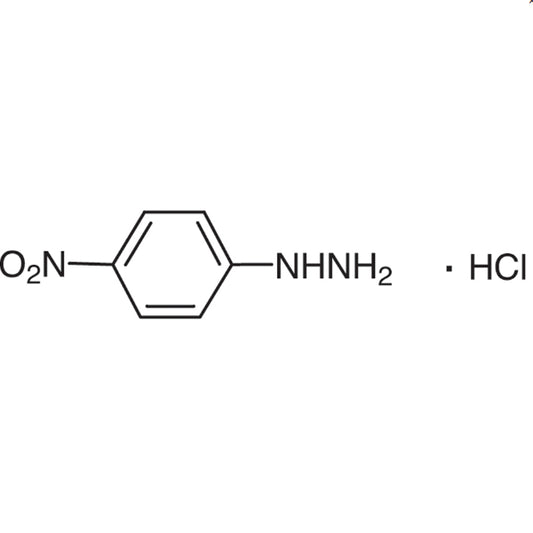
- TCI N0233 636-99-7 4-Nitrophenylhydrazine Hydrochloride
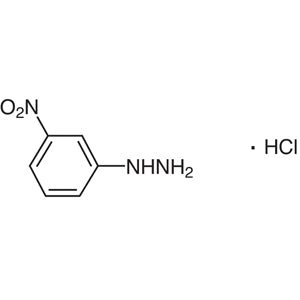
- TCI N0232 636-95-3 3-Nitrophenylhydrazine Hydrochloride
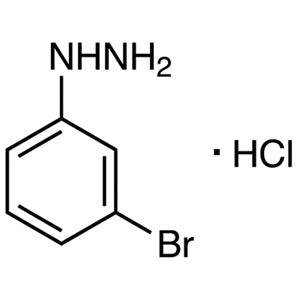
- TCI B3847 27246-81-7 3-Bromophenylhydrazine Hydrochloride
- TCI B2147 50709-33-6 2-Bromophenylhydrazine Hydrochloride
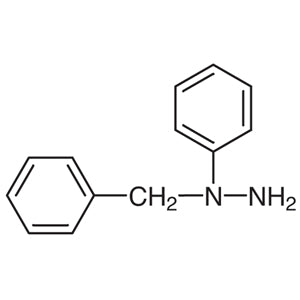
- TCI B1157 614-31-3 1-Benzyl-1-phenylhydrazine
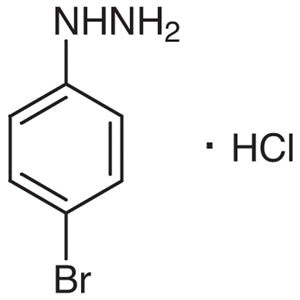
- TCI B0635 622-88-8 4-Bromophenylhydrazine Hydrochloride
- Qualitative Analysis of Carbonyl Compounds: This reagent is ideal for identifying aldehydes and ketones due to its ability to form colored precipitates during hydrazine reactions.
- Organic Compound Identification: It is used to detect and isolate various organic compounds through its reactive properties with carbonyl groups.
- Educational Chemistry Experiments: Its practical use in laboratory settings makes it a valuable tool for teaching fundamental chemical reactions and analytical techniques.
- Structural Analysis of Molecules: The formation of colored products aids in visual analysis, making it useful for determining molecular structures in research.
- Analytical Chemistry Research: Its stability and reactivity make it suitable for advanced studies involving carbonyl compound analysis and reaction mechanisms.
| Brand | TCI |
|---|---|
| CAS number | 6293-87-4 |
| Molecular formula | — |
| Purity | — |
| Category | Chemistry > Building Blocks > Non-Heterocyclic Building Blocks |
| Pack sizes | Available in various quantities as per standard laboratory supply |
| Physical form | Solid |
| Storage | Store in a cool, dry place away from moisture and air exposure |
This compound should be stored in a cool, dry place to prevent degradation due to moisture and air exposure. It is recommended to use airtight containers to minimize contact with humidity and atmospheric gases. Laboratory personnel should handle it with care, using appropriate personal protective equipment such as gloves and safety goggles. It is important to avoid prolonged exposure to air and moisture to maintain its chemical integrity. Proper storage ensures the compound remains effective for analytical and educational purposes. Always keep the container sealed when not in use to preserve its properties and ensure safe handling in laboratory environments.
—
Produk Terkait
-
4-NitrophenylhydrazineHydrochloride TCI N0233
Regular price From Rp 875.700,00Regular priceRp 627.900,00Sale price From Rp 875.700,00 -
3-NitrophenylhydrazineHydrochloride TCI N0232
Regular price From Rp 1.192.800,00Regular priceRp 849.450,00Sale price From Rp 1.192.800,00 -
3-BromophenylhydrazineHydrochloride TCI B3847
Regular price Rp 2.544.150,00Regular priceRp 1.794.450,00Sale price Rp 2.544.150,00 -
2-BromophenylhydrazineHydrochloride TCI B2147
Regular price From Rp 2.332.050,00Regular priceRp 1.646.400,00Sale price From Rp 2.332.050,00 -
1-Benzyl-1-phenylhydrazine TCI B1157
Regular price Rp 2.835.000,00Regular priceRp 1.998.150,00Sale price Rp 2.835.000,00 -
4-BromophenylhydrazineHydrochloride TCI B0635
Regular price From Rp 1.643.250,00Regular priceRp 1.164.450,00Sale price From Rp 1.643.250,00 -
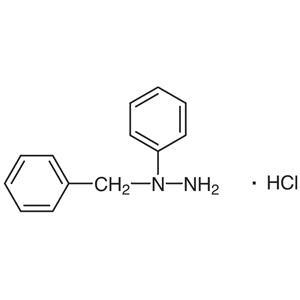
1-Benzyl-1-phenylhydrazineHydrochloride TCI B0434
Regular price From Rp 1.618.050,00Regular priceRp 1.146.600,00Sale price From Rp 1.618.050,00 -
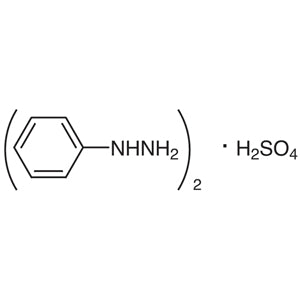
PhenylhydrazineSulfate TCI P0186
Regular price Rp 1.298.850,00Regular priceRp 924.000,00Sale price Rp 1.298.850,00