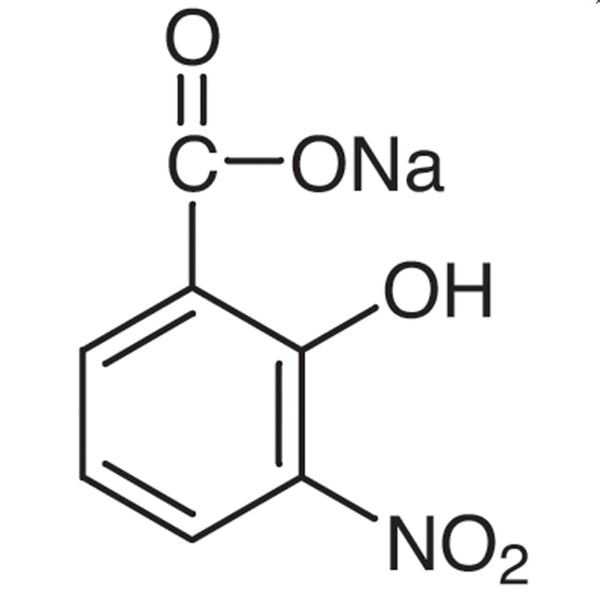
Sodium 3-Nitrosalicylate is a chemical compound widely used in organic and analytical laboratory applications. It is a key reagent in various synthetic and analytical processes due to its unique chemical structure, which features a nitroso group attached to a salicylate ring. This structure enables it to participate in a wide range of chemical reactions, making it a versatile material for researchers. Its ability to undergo substitution and redox reactions makes it particularly valuable in the synthesis of more complex organic compounds.
The compound is known for its chemical stability under controlled conditions, yet it exhibits high reactivity when exposed to elevated temperatures or excessive moisture. This dual nature makes it a preferred choice for applications requiring both controlled reactivity and the ability to engage in complex chemical transformations. Its solubility in organic solvents further enhances its utility in laboratory settings, allowing for efficient dissolution and manipulation during experiments.
In Indonesian laboratories, Sodium 3-Nitrosalicylate is commonly used in organic and analytical research. It plays a crucial role in the development of new compounds, analytical methods, and chemical studies. Researchers in Indonesia frequently rely on this compound for its reliability and effectiveness in various experimental setups, contributing to the advancement of chemical research in the region.
Related TCI products
- Organic Synthesis: Sodium 3-Nitrosalicylate is ideal for organic synthesis due to its reactivity in substitution and redox reactions, allowing the formation of complex molecules.
- Analytical Chemistry: Its unique chemical structure makes it useful in analytical techniques for detecting and quantifying specific compounds in samples.
- Redox Reactions: The compound's ability to participate in redox processes makes it valuable for studying electron transfer mechanisms in chemical systems.
- Compound Modification: It is often used to modify existing compounds, enabling the creation of new derivatives with different properties.
- Research Protocols: Its stability and reactivity make it a reliable component in various research protocols requiring controlled chemical transformations.
| Brand | TCI |
|---|---|
| CAS number | 164915-53-1 |
| Molecular formula | — |
| Purity | — |
| Category | Chemistry > Building Blocks > Non-Heterocyclic Building Blocks |
| Pack sizes | Available in standard laboratory quantities |
| Physical form | Solid powder |
| Storage | Store in a cool, dry place away from moisture and direct sunlight |
Sodium 3-Nitrosalicylate should be stored in a cool, dry environment to maintain its chemical stability. It is recommended to keep it in a sealed container to prevent exposure to moisture, which can affect its reactivity. The compound should be stored away from direct sunlight and sources of heat to avoid degradation. In laboratory settings, it is important to handle the material with care, using appropriate personal protective equipment such as gloves and safety goggles. Proper labeling of storage containers is essential for safe handling and to prevent accidental exposure. Regular monitoring of storage conditions ensures the compound remains suitable for use in analytical and synthetic applications.
—
Produk Terkait
-
3-Bromo-5-nitrosalicylaldehyde TCI B3198
Regular price From Rp 1.167.600,00Regular price -
5-Bromo-3-nitrosalicylaldehyde TCI B0908
Regular price From Rp 769.650,00Regular price -
5-Chloro-3-nitrosalicylaldehyde TCI C2249
Regular price Rp 1.246.350,00Regular price -
3-Chloromethyl-5-nitrosalicylaldehyde TCI C1305
Regular price From Rp 5.539.800,00Regular price -
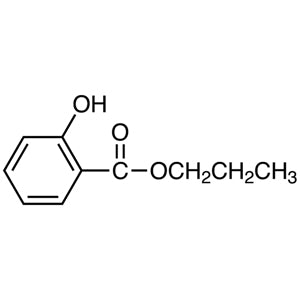
PropylSalicylate TCI S0441
Regular price Rp 2.094.750,00Regular price -
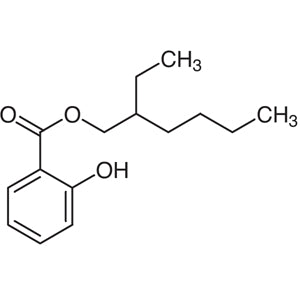
2-EthylhexylSalicylate TCI S0387
Regular price From Rp 903.000,00Regular price -
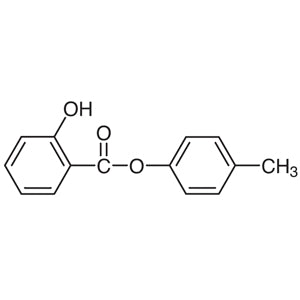
p-TolylSalicylate TCI S0018
Regular price Rp 1.803.900,00Regular price -
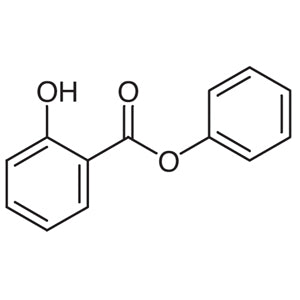
PhenylSalicylate TCI S0017
Regular price From Rp 505.050,00Regular price