2-Nitrothiophene (which also contains 3-Nitrothiophene) is a heterocyclic chemical compound widely used in the synthesis of complex organic molecules. As a building block in organic chemistry, it plays a crucial role in laboratory settings by enabling the creation of various functional compounds through substitution and covalent reactions. Its unique structure, based on a thiophene ring with nitro groups at positions 2 and 3, contributes to its high reactivity and versatility in chemical transformations. This compound is particularly valuable in research that requires precise control over molecular structures and functional groups.
The compound's high reactivity and stable aromatic structure make it a preferred choice for researchers working in organic chemistry, pharmacology, and materials science. Its ability to participate in multiple reaction pathways allows for the development of diverse chemical products with specific functionalities. The purity and consistency of its chemical structure ensure reliable results in experimental settings, making it a trusted material in both academic and industrial laboratories. Its sensitivity to reactive conditions such as high temperatures and oxidizing agents also highlights the need for careful handling during synthesis and experimentation.
In Indonesian laboratories, 2-Nitrothiophene is commonly used in organic chemistry research, especially by educational and research institutions focused on chemical synthesis. Its role in creating complex compounds with specific properties makes it an essential component in both teaching and applied research. The compound's availability and chemical characteristics support its widespread use in various scientific investigations across different fields of study.
TCI brochures (PDF)
- Thiophenes 2026-06-29 · p. 7
Related TCI products
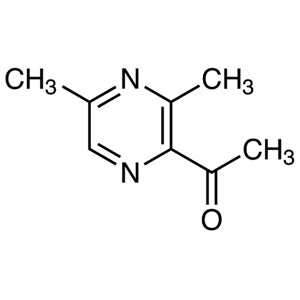
- TCI A3326 54300-08-2 2-Acetyl-3,5-dimethylpyrazine (contains 2-Acetyl-3,6-dimethylpyrazine)
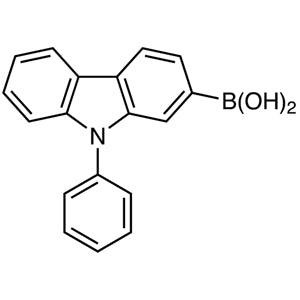
- TCI P2169 1001911-63-2 9-Phenylcarbazole-2-boronic Acid (contains varying amounts of Anhydride)
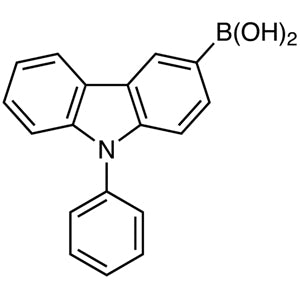
- TCI P2001 854952-58-2 9-Phenylcarbazole-3-boronic Acid (contains varying amounts of Anhydride)
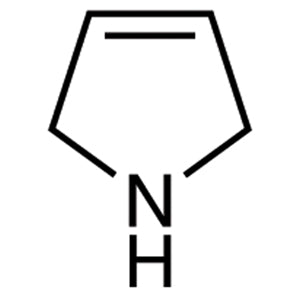
- TCI P0577 109-96-6 3-Pyrroline (contains Pyrrolidine)
- TCI M3100 7470-38-4 4-(4-Morpholinyl)benzoic Acid (contains 05% N,N-Dimethylformamide at maximum)
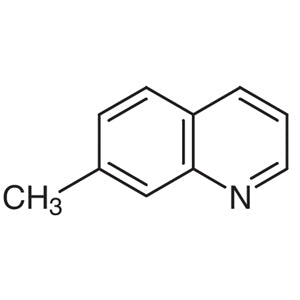
- TCI M0417 612-60-2 7-Methylquinoline (contains 25% 5-form at maximum)
- Organic synthesis applications benefit from 2-Nitrothiophene's reactivity and structural versatility, enabling the creation of complex molecules with precise functional groups.
- Pharmaceutical research utilizes this compound for the development of new drug candidates, as its structure can be modified to target specific biological pathways.
- Materials science applications leverage its aromatic stability and reactivity to design advanced polymers and functional materials with tailored properties.
- Analytical chemistry experiments use it as a reference standard for testing reaction mechanisms and spectral analysis techniques.
- Environmental studies incorporate it to investigate the behavior of nitro-substituted thiophenes in chemical degradation processes.
| Brand | TCI |
|---|---|
| CAS number | 609-40-5 |
| Molecular formula | — |
| Purity | — |
| Category | Chemistry > Building Blocks > Heterocyclic Building Blocks |
| Pack sizes | Available in various quantities as per supplier specifications |
| Physical form | Solid, typically in crystalline form |
| Storage | Store in a cool, dry place away from light and oxidizing agents |
2-Nitrothiophene should be stored in a cool, dry environment, away from direct light and sources of heat. It is recommended to keep it in airtight containers to prevent exposure to moisture and air. Due to its reactivity, it should be handled in a well-ventilated laboratory setting, preferably under a fume hood. Avoid contact with strong oxidizing agents and high temperatures to maintain its stability. Always use appropriate personal protective equipment, such as gloves and safety goggles, when handling this compound. Proper storage and handling ensure the compound remains effective and safe for use in laboratory applications.
—
Produk Terkait
-
2-Acetyl-3,5-dimethylpyrazine(contains2-Acetyl-3,6-dimethylpyrazine) TCI A3326
Regular price From Rp 1.326.150,00Regular price -
9-Phenylcarbazole-2-boronicAcid(containsvaryingamountsofAnhydride) TCI P2169
Regular price From Rp 477.750,00Regular price -
9-Phenylcarbazole-3-boronicAcid(containsvaryingamountsofAnhydride) TCI P2001
Regular price From Rp 1.670.550,00Regular price -
3-Pyrroline(containsPyrrolidine) TCI P0577
Regular price Rp 5.935.650,00Regular price -
4-(4-Morpholinyl)benzoicAcid(contains05%N,N-Dimethylformamideatmaximum) TCI M3100
Regular price From Rp 848.400,00Regular price -
7-Methylquinoline(contains25%5-formatmaximum) TCI M0417
Regular price From Rp 823.200,00Regular price -
5-Formyl-2-thiopheneboronicAcid(containsvaryingamountsofAnhydride) TCI F0549
Regular price From Rp 823.200,00Regular price -
2-Ethyl-3,5-dimethylpyrazine(contains2-Ethyl-3,6-dimethylpyrazine) TCI E1424
Regular price From Rp 1.829.100,00Regular price