


Neocuproine Hydrochloride Monohydrate is a chemical compound widely used in catalytic reactions and organic chemistry processes. It serves as a nitrogen-donor ligand, playing a crucial role in the formation of transition metal complexes. These complexes are essential in various catalytic mechanisms, particularly in reduction and oxidation reactions. Its molecular structure is stable, making it a reliable reagent for laboratory applications. This compound is commonly employed in research settings where precise control over reaction conditions is required.
The compound is known for its good solubility in organic solvents such as ethyl acetate and ethanol, which enhances its versatility in different experimental setups. Its chemical stability under normal laboratory conditions ensures consistent performance across multiple experiments. Additionally, Neocuproine Hydrochloride Monohydrate has a strong affinity for transition metals like copper and silver, which makes it highly effective in catalytic processes. This property contributes to its popularity among chemists working in both academic and industrial environments.
In Indonesian laboratories, Neocuproine Hydrochloride Monohydrate is frequently used in organic chemistry and catalysis research. Its availability and stability make it a preferred choice for researchers and educators. It is well-suited for various analytical methods commonly applied in Indonesian research institutions. The compound’s reliability and effectiveness have made it a staple in many laboratory workflows across the country.
TCI brochures (PDF)
- Titration Reagents and TLC Stains 2026-05-07 · p. 9
- Ligands 2025-12-01 · p. 14
Related TCI products
- TCI D0771 34302-69-7 Neocuproine Hemihydrate
- TCI B0985 52698-84-7 Disodium Bathocuproinedisulfonate [for Determination of Cu in Blood]
- TCI D0711 4733-39-5 Bathocuproine
- TCI B0989 53744-42-6 Bathophenanthrolinedisulfonic Acid Disodium Salt Hydrate [for Determination of Ferrous Ion]
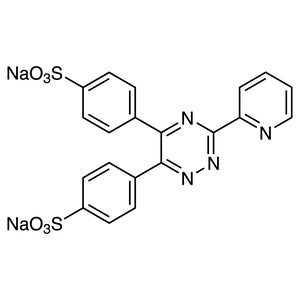
- TCI P0830 28048-33-1 3-(2-Pyridyl)-5,6-bis(4-sulfophenyl)-1,2,4-triazine Disodium Salt
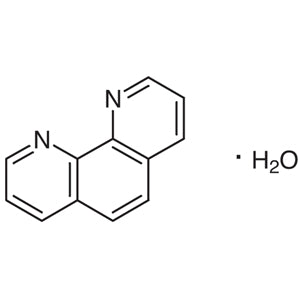
- TCI P0221 5144-89-8 1,10-Phenanthroline Monohydrate
- Organic synthesis reactions benefit from Neocuproine Hydrochloride Monohydrate due to its ability to form stable metal complexes, enhancing reaction efficiency and selectivity.
- Catalytic oxidation processes often utilize this compound as a ligand, improving the activity and stability of transition metal catalysts in redox reactions.
- Metal complex formation in analytical chemistry relies on its strong binding affinity with transition metals, enabling accurate detection and quantification of metal ions.
- Transition metal-based catalyst development is supported by its role as a nitrogen-donor ligand, facilitating the creation of efficient catalytic systems.
- Research in coordination chemistry frequently employs this compound to study ligand-metal interactions and their impact on catalytic behavior.
| Brand | TCI |
|---|---|
| CAS number | 303136-82-5 |
| Molecular formula | — |
| Purity | — |
| Category | Chemistry > Catalysis and Inorganic Chemistry > Nitrogen-Donor Ligands [Catalysis] |
| Pack sizes | Available in standard laboratory quantities |
| Physical form | Solid, crystalline powder |
| Storage | Store in a cool, dry place away from moisture and direct sunlight |
Neocuproine Hydrochloride Monohydrate should be stored in a cool, dry environment to maintain its stability and prevent degradation. It is recommended to keep the compound in airtight containers to avoid exposure to moisture, which can affect its performance. Handling should be done with appropriate personal protective equipment, such as gloves and safety goggles, to ensure safety during use. The compound is generally stable under normal laboratory conditions, making it suitable for long-term storage. It is important to avoid contact with incompatible substances to maintain its chemical integrity. Proper labeling of containers is essential to ensure safe handling and prevent accidental misuse.
—
Product Categories
Produk Terkait
-
NeocuproineHemihydrate TCI D0771
Regular price Rp 742.350,00Regular priceRp 534.450,00Sale price Rp 742.350,00 -
DisodiumBathocuproinedisulfonate[forDeterminationofCuinBlood] TCI B0985
Regular price Rp 1.538.250,00Regular priceRp 1.090.950,00Sale price Rp 1.538.250,00 -
Bathocuproine TCI D0711
Regular price Rp 3.285.450,00Regular priceRp 2.313.150,00Sale price Rp 3.285.450,00 -
BathophenanthrolinedisulfonicAcidDisodiumSaltHydrate[forDeterminationofFerrousIon] TCI B0989
Regular price Rp 5.724.600,00Regular priceRp 4.018.350,00Sale price Rp 5.724.600,00 -
3-(2-Pyridyl)-5,6-bis(4-sulfophenyl)-1,2,4-triazineDisodiumSalt TCI P0830
Regular price Rp 1.087.800,00Regular priceRp 775.950,00Sale price Rp 1.087.800,00 -
1,10-PhenanthrolineMonohydrate TCI P0221
Regular price Rp 557.550,00Regular priceRp 405.300,00Sale price Rp 557.550,00 -
1,10-PhenanthrolineHydrochlorideMonohydrate TCI P0081
Regular price Rp 1.696.800,00Regular priceRp 1.202.250,00Sale price Rp 1.696.800,00 -
5-Methyl-1,10-phenanthroline[forColorimetricDeterminationofIron] TCI M0300
Regular price Rp 1.113.000,00Regular priceRp 793.800,00Sale price Rp 1.113.000,00

![52698-84-7 Disodium Bathocuproinedisulfonate [for Determination of Cu in Blood] - AMI Scientific](http://amiscientific.com/cdn/shop/files/TCI2510B0985_83228026-b61a-4ecc-a297-f4efaf5cf802.jpg?v=1767230689&width=533)

![53744-42-6 Bathophenanthrolinedisulfonic Acid Disodium Salt Hydrate [for Determination of Ferrous Ion] - AMI Scientific](http://amiscientific.com/cdn/shop/files/TCI2510B0989.jpg?v=1768193262&width=533)

![3002-78-6 5-Methyl-1,10-phenanthroline [for Colorimetric Determination of Iron] - AMI Scientific](http://amiscientific.com/cdn/shop/files/TCI2510M0300.jpg?v=1767122633&width=533)