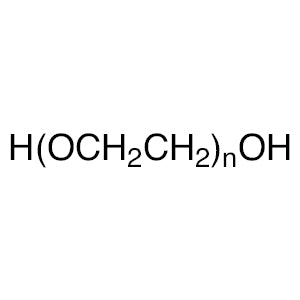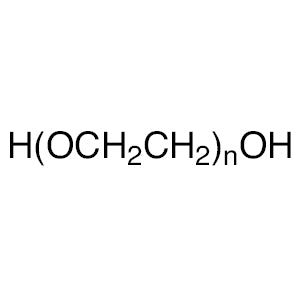
Polyethylene Glycol 400 (PEG 400) is a widely used chemical compound in laboratory settings, particularly in the fields of chemical biology and biotechnology. It is a polymeric molecule composed of ethylene oxide units, which gives it a hydrophilic nature and excellent solubility in water. This makes it highly versatile for various applications, including the modification of biological molecules. PEG 400 is commonly employed in PEGylation processes, where it is used to modify proteins, liposomes, and other biomolecules to enhance their stability, prolong their circulation time, and reduce immunogenic responses. Its unique properties make it an essential component in many research and development activities.
The key attributes of PEG 400 include its high water solubility, non-toxicity, and ability to form complexes with a wide range of molecules. These characteristics make it a preferred choice for researchers working in biomedicine and pharmaceutical development. Its non-toxic and odorless nature also ensures safety in laboratory environments, reducing the risk of contamination and exposure. Additionally, its chemical stability and compatibility with various solvents allow it to be used in diverse experimental setups without compromising the integrity of the samples.
In Indonesian laboratories, PEG 400 is a staple material used across multiple scientific disciplines. It is commonly found in research related to vaccine development, biological therapies, and molecular interaction studies. Its reliability and consistent performance make it a go-to material for both academic and industrial research institutions in Indonesia. The compound's broad applicability and ease of handling further contribute to its popularity in laboratory settings.
TCI brochures (PDF)
- Drug Delivery System (DDS) Research Reagents 2025-01-29 · p. 2
- Biomaterials Research Reagents 2025-02-19 · p. 6
- PEGylation of proteins and liposomes for enhanced stability and reduced immunogenicity in biopharmaceutical research.
- Preparation of aqueous solutions for drug delivery systems and nanomedicine formulations due to its high water solubility.
- Molecular conjugation studies in chemical biology to improve the pharmacokinetic properties of therapeutic agents.
- Development of vaccines and immunotherapies where PEG is used to prolong the circulation time of active ingredients.
- Surface modification of biomaterials to improve biocompatibility and reduce protein adsorption in biomedical applications.
| Brand | TCI |
|---|---|
| CAS number | 25322-68-3 |
| Molecular formula | — |
| Purity | — |
| Category | Chemistry > Chemical Biology > PEGylation |
| Pack sizes | Available in various quantities as per standard laboratory supply |
| Physical form | Colorless, viscous liquid |
| Storage | Store in a cool, dry place away from direct sunlight |
PEG 400 should be stored in a cool, dry place, away from direct sunlight and sources of heat. It is recommended to keep the container tightly sealed to prevent moisture absorption and contamination. Due to its viscous nature, it is best stored in glass or high-density polyethylene containers to avoid any chemical interactions. In laboratory settings, it is important to handle PEG 400 with appropriate personal protective equipment, such as gloves and safety goggles, to ensure safe handling. Its non-toxic and odorless properties make it relatively safe to work with, but standard laboratory safety protocols should still be followed to maintain a secure environment.
—
Product Categories
- Polymer/Macromolecule ReagentsPolymersSynthetic Polymers
- Biomaterials/Biocompatible Materials Research ReagentsMonomers and Macromonomers [Biomaterials/Biocompatible Materials Research Reagents]Diol Monomers [Biomaterials/Biocompatible Materials Research Reagents]
- Biomaterials/Biocompatible Materials Research ReagentsPolymers [Biomaterials/Biocompatible Materials Research Reagents]PEGs, PEGylation Reagents [Biomaterials/Biocompatible Materials Research Reagents]
- Biomaterials/Biocompatible Materials Research ReagentsPolymers [Biomaterials/Biocompatible Materials Research Reagents]Synthetic Polymers
Produk Terkait
-
PolyethyleneGlycol20000 TCI P2830
Regular price From Rp 477.750,00Regular priceRp 333.900,00Sale price From Rp 477.750,00 -
PolyethyleneGlycol11000 TCI P2829
Regular price Rp 477.750,00Regular priceRp 333.900,00Sale price Rp 477.750,00 -
PolyethyleneGlycol1000 TCI P2828
Regular price From Rp 477.750,00Regular priceRp 333.900,00Sale price From Rp 477.750,00 -
PolyethyleneGlycol2000 TCI P2034
Regular price From Rp 505.050,00Regular priceRp 352.800,00Sale price From Rp 505.050,00 -
PolyethyleneGlycol600 TCI P1187
Regular price From Rp 477.750,00Regular priceRp 333.900,00Sale price From Rp 477.750,00 -
PolyethyleneGlycol6000 TCI P0903
Regular price From Rp 477.750,00Regular priceRp 333.900,00Sale price From Rp 477.750,00 -
PolyethyleneGlycol4000 TCI P0885
Regular price From Rp 477.750,00Regular priceRp 333.900,00Sale price From Rp 477.750,00 -
PolyethyleneGlycol200 TCI P0840
Regular price From Rp 477.750,00Regular priceRp 333.900,00Sale price From Rp 477.750,00