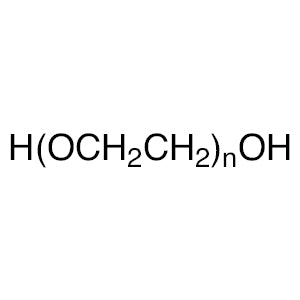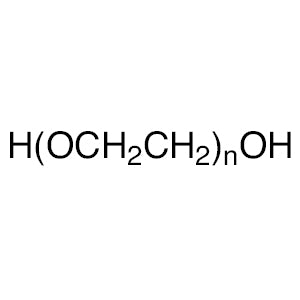
Polyethylene Glycol 4000 (PEG 4000) is a widely used chemical compound in scientific and industrial applications. As a member of the polyethylene glycol (PEG) family, it is a long-chain polymer with a highly stable molecular structure. In the laboratory, PEG 4000 plays a crucial role in PEGylation processes, where it is used to modify biological molecules such as proteins and liposomes. This modification enhances the stability, solubility, and resistance to enzymatic degradation of these molecules. Its versatility makes it an essential tool in both chemical and biochemical research.
The key properties that make PEG 4000 a preferred choice include its excellent solubility in both water and organic solvents, as well as its non-toxic and non-irritating nature. It also exhibits moderate viscosity, which facilitates its use in various laboratory techniques such as dilution, coating, and suspension preparation. These characteristics ensure that PEG 4000 remains stable and unreactive under a wide range of experimental conditions, making it a reliable component in many research protocols.
In Indonesian laboratories, PEG 4000 is commonly used in biomedical, pharmaceutical, and chemical research. It is a fundamental material for drug development, protein modification, and other biotechnological applications. Its widespread adoption across research institutions and universities highlights its importance in advancing scientific innovation in the region.
TCI brochures (PDF)
- Drug Delivery System (DDS) Research Reagents 2025-01-29 · p. 2
- Biomaterials Research Reagents 2025-02-19 · p. 6
- PEGylation of proteins and liposomes is a common application where PEG 4000 is used to enhance the stability and solubility of biological molecules.
- In pharmaceutical research, PEG 4000 is utilized for drug formulation to improve the bioavailability and half-life of therapeutic agents.
- It is widely applied in the development of nanocarriers and drug delivery systems due to its non-toxic and biocompatible properties.
- In biochemical assays, PEG 4000 serves as a stabilizing agent to prevent protein aggregation and maintain molecular integrity.
- For suspension preparation, PEG 4000 is used to create stable and uniform mixtures, which are essential in various analytical and diagnostic procedures.
| Brand | TCI |
|---|---|
| CAS number | 25322-68-3 |
| Molecular formula | — |
| Purity | — |
| Category | Chemistry > Chemical Biology > PEGylation |
| Pack sizes | Available in various sizes as per supplier specifications |
| Physical form | Solid powder |
| Storage | Store in a cool, dry place away from moisture and direct sunlight |
PEG 4000 should be stored in a cool, dry environment to maintain its stability and prevent degradation. It is recommended to use airtight containers to protect it from moisture and contaminants. Due to its non-reactive nature, it does not require special handling under normal laboratory conditions. However, it is advisable to avoid exposure to extreme temperatures and direct sunlight. When handling, ensure that the workspace is clean and free from potential contaminants to maintain the purity of the compound. Always follow standard laboratory safety practices to ensure safe usage and storage.
—
Product Categories
- Polymer/Macromolecule ReagentsPolymersSynthetic Polymers
- Biomaterials/Biocompatible Materials Research ReagentsMonomers and Macromonomers [Biomaterials/Biocompatible Materials Research Reagents]Diol Monomers [Biomaterials/Biocompatible Materials Research Reagents]
- Biomaterials/Biocompatible Materials Research ReagentsPolymers [Biomaterials/Biocompatible Materials Research Reagents]PEGs, PEGylation Reagents [Biomaterials/Biocompatible Materials Research Reagents]
- Biomaterials/Biocompatible Materials Research ReagentsPolymers [Biomaterials/Biocompatible Materials Research Reagents]Synthetic Polymers
Produk Terkait
-
PolyethyleneGlycol20000 TCI P2830
Regular price From Rp 477.750,00Regular priceRp 333.900,00Sale price From Rp 477.750,00 -
PolyethyleneGlycol11000 TCI P2829
Regular price Rp 477.750,00Regular priceRp 333.900,00Sale price Rp 477.750,00 -
PolyethyleneGlycol1000 TCI P2828
Regular price From Rp 477.750,00Regular priceRp 333.900,00Sale price From Rp 477.750,00 -
PolyethyleneGlycol2000 TCI P2034
Regular price From Rp 505.050,00Regular priceRp 352.800,00Sale price From Rp 505.050,00 -
PolyethyleneGlycol600 TCI P1187
Regular price From Rp 477.750,00Regular priceRp 333.900,00Sale price From Rp 477.750,00 -
PolyethyleneGlycol6000 TCI P0903
Regular price From Rp 477.750,00Regular priceRp 333.900,00Sale price From Rp 477.750,00 -
PolyethyleneGlycol200 TCI P0840
Regular price From Rp 477.750,00Regular priceRp 333.900,00Sale price From Rp 477.750,00 -
PolyethyleneGlycol400 TCI N0443
Regular price From Rp 477.750,00Regular priceRp 333.900,00Sale price From Rp 477.750,00