

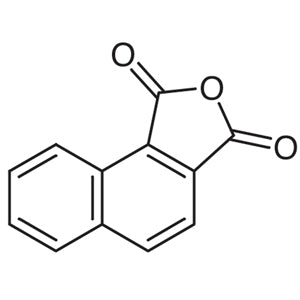
1,2-Naphthalic Anhydride is a chemical compound widely used as a building block in various chemical reactions. It serves as a key reagent in the synthesis of heterocyclic compounds and other organic molecules, playing a crucial role in laboratory research. Its anhydride structure provides high reactivity, making it a versatile component in chemical synthesis processes. This compound is commonly found in organic chemistry laboratories, where it is used to create complex molecular structures through substitution reactions and bond formation. Its stability and reactivity make it a valuable tool for chemists working in diverse research fields.
The properties of 1,2-Naphthalic Anhydride that make it a preferred choice include its chemical stability and ability to react with functional groups such as amines, hydroxyls, and carboxylates. These characteristics enable it to participate in a wide range of chemical transformations, enhancing its utility in synthetic chemistry. Its high melting point and resistance to moisture further contribute to its reliability in laboratory settings, ensuring consistent performance during experiments. These features make it an essential compound for researchers aiming to develop new materials and pharmaceuticals.
In Indonesian laboratories, 1,2-Naphthalic Anhydride is extensively used in organic chemistry research, particularly in pharmaceutical and materials science applications. It is commonly employed in the synthesis of drugs, polymers, and carbon-based compounds. Its availability in the local market supports ongoing research efforts, making it a go-to compound for scientists and researchers in Indonesia.
- Organic synthesis applications benefit from 1,2-Naphthalic Anhydride due to its reactivity and ability to form complex molecular structures.
- Pharmaceutical research utilizes this compound for the synthesis of drug molecules and other bioactive compounds.
- Material science studies rely on its properties for the development of polymers and advanced chemical materials.
- Chemical reaction optimization uses it as a reagent for substitution and bond formation processes.
- Analytical chemistry applications take advantage of its stability and reactivity for various chemical transformations.
| Brand | TCI |
|---|---|
| CAS number | 5343-99-7 |
| Molecular formula | — |
| Purity | — |
| Category | Chemistry > Building Blocks > Non-Heterocyclic Building Blocks |
| Pack sizes | Available in various quantities as per standard laboratory requirements |
| Physical form | Solid |
| Storage | Store in a cool, dry place away from moisture and direct sunlight |
1,2-Naphthalic Anhydride should be stored in a cool, dry environment to maintain its chemical stability. It is recommended to keep it in airtight containers to prevent moisture absorption, which can affect its reactivity. Suitable storage conditions include a controlled temperature range to avoid degradation. Laboratory personnel should handle the compound with care, using appropriate personal protective equipment. It is advisable to store it in a well-ventilated area to ensure safe handling. Proper storage practices help preserve its effectiveness and ensure safe use in chemical experiments.
—
Produk Terkait
-
4-Bromo-1,8-naphthalicAnhydride TCI B0858
Regular price Rp 769.650,00Regular price -
1,8-NaphthalicAnhydride TCI N0022
Regular price Rp 689.850,00Regular price -
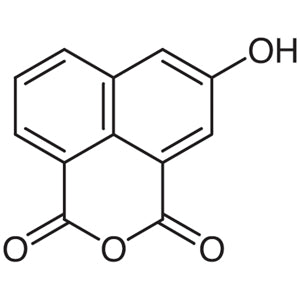
3-Hydroxy-1,8-naphthalicAnhydride TCI H0278
Regular price Rp 6.599.250,00Regular price -
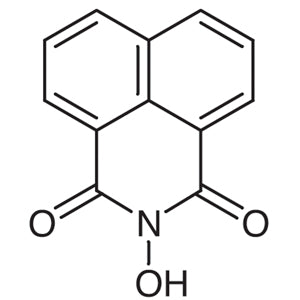
N-Hydroxy-1,8-naphthalimide TCI H1040
Regular price From Rp 928.200,00Regular price -
ValericAnhydride TCI V0006
Regular price From Rp 875.700,00Regular price -
3-BromophthalicAnhydride TCI B4061
Regular price From Rp 1.246.350,00Regular price -
Bicyclo[2.2.2]oct-5-ene-2,3-dicarboxylicAnhydride TCI B3038
Regular price Rp 3.605.700,00Regular price -
ButylsuccinicAnhydride TCI B2742
Regular price From Rp 5.274.150,00Regular price




![6708-37-8 Bicyclo[2.2.2]oct-5-ene-2,3-dicarboxylic Anhydride - AMI Scientific](http://amiscientific.com/cdn/shop/files/TCI2510B3038.jpg?v=1767089273&width=533)
