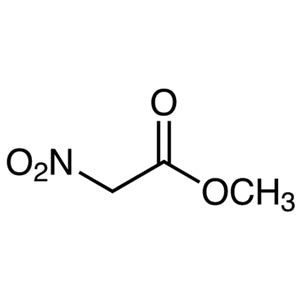
Methyl Nitroacetate is a versatile chemical compound widely used in laboratory settings for its role in organic reactions. As a key building block in chemical synthesis, it serves as a fundamental component in the development of more complex molecules. Its chemical structure is simple yet highly reactive, making it an essential reagent in various synthetic pathways. This compound is particularly valuable in substitution and oxidation reactions, where its functional groups can be modified to yield a wide range of derivatives. Its presence in laboratory research supports both academic and industrial applications, contributing to the advancement of chemical science.
The properties of Methyl Nitroacetate make it a preferred choice for many laboratory applications. It is polar and reactive, allowing it to participate effectively in a variety of chemical transformations. Its solubility in organic solvents such as ethyl acetate and ethanol enhances its usability in reactions that require non-aqueous conditions. These characteristics enable chemists to manipulate the compound under controlled environments, ensuring consistent results. The stability of Methyl Nitroacetate under certain conditions also allows for safe storage and extended use, making it a reliable reagent in laboratory workflows.
In Indonesian laboratories, Methyl Nitroacetate is commonly used in chemical research, particularly in the synthesis of organic compounds and pharmaceutical development. It is also an important teaching material in laboratory education, supporting students and researchers in understanding the principles of organic reactions. Its availability and reliability make it a staple in both academic and industrial research settings across Indonesia.
Related TCI products
- Organic Synthesis: Methyl Nitroacetate is widely used in the synthesis of complex organic molecules due to its reactivity and versatility in chemical transformations.
- Pharmaceutical Development: It plays a key role in the creation of new drug compounds by serving as a building block in various synthetic pathways.
- Educational Research: This compound is frequently used in laboratory courses to teach students about chemical reactivity and synthetic methods.
- Oxidation Reactions: Its nitro group makes it suitable for oxidation processes, allowing for the formation of various functional groups.
- Substitution Reactions: Methyl Nitroacetate is ideal for substitution reactions, where its functional groups can be replaced to produce different chemical structures.
| Brand | TCI |
|---|---|
| CAS number | 2483-57-0 |
| Molecular formula | — |
| Purity | — |
| Category | Chemistry > Building Blocks > Non-Heterocyclic Building Blocks |
| Pack sizes | Available in various quantities as per standard laboratory supply |
| Physical form | Liquid |
| Storage | Store in a cool, dry place away from direct sunlight and incompatible materials |
Methyl Nitroacetate should be stored in a cool, dry environment to maintain its stability and prevent degradation. It is recommended to keep the compound in a tightly sealed container made of glass or inert plastic to avoid contamination. Due to its reactivity, it should be stored away from strong oxidizing agents and incompatible substances. Proper ventilation is essential when handling this material to minimize exposure. Laboratory personnel should wear appropriate personal protective equipment, such as gloves and goggles, to ensure safe handling. Regular monitoring of storage conditions helps maintain the integrity of the compound and ensures its effectiveness in research applications.
—
Produk Terkait
-
EthylNitroacetate TCI N0657
Regular price From Rp 1.431.150,00Regular price -
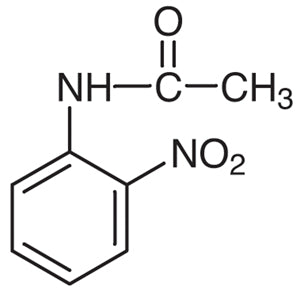
2'-Nitroacetanilide TCI N0107
Regular price Rp 2.094.750,00Regular price -
5'-Bromo-2'-hydroxy-3'-nitroacetophenone TCI B4556
Regular price From Rp 743.400,00Regular price -
2-Bromo-2'-nitroacetophenone TCI B3528
Regular price From Rp 2.545.200,00Regular price -
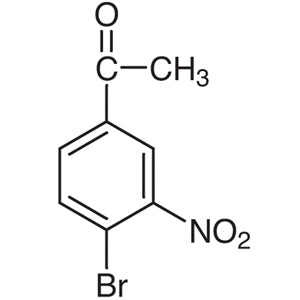
4'-Bromo-3'-nitroacetophenone TCI B3383
Regular price From Rp 664.650,00Regular price -
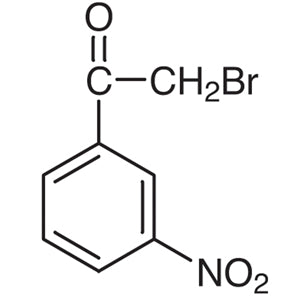
2-Bromo-3'-nitroacetophenone TCI B2855
Regular price From Rp 610.050,00Regular price -
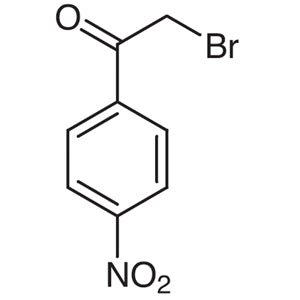
2-Bromo-4'-nitroacetophenone TCI N0473
Regular price From Rp 584.850,00Regular price -
4'-Nitroacetophenone TCI N0111
Regular price From Rp 505.050,00Regular price