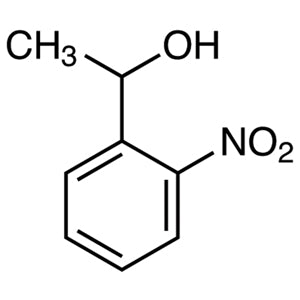
1-(2-Nitrophenyl)ethanol is a chemical compound widely used as a building block in the synthesis of complex organic compounds. It plays a crucial role in laboratory settings where organic reactions involving substitution or electrophilic mechanisms are required. This compound is particularly valuable for its ability to participate in a variety of chemical transformations, making it a versatile reagent in synthetic chemistry. Its presence in the laboratory supports the development of heterocyclic, aromatic, and structurally complex molecules, contributing to the advancement of chemical research.
The chemical properties and molecular structure of 1-(2-Nitrophenyl)ethanol make it a preferred choice for many synthetic applications. The nitro group on the phenyl ring imparts high reactivity, enabling the compound to engage in complex reactions with various functional groups. Its solubility in organic solvents further enhances its utility, allowing it to be easily incorporated into synthesis protocols. These characteristics make it an essential component in the toolkit of chemists working on the creation of new compounds and molecular modifications.
In Indonesian laboratories, 1-(2-Nitrophenyl)ethanol is extensively used in chemical research, particularly in the fields of synthetic chemistry and molecular modification. It is commonly found in experiments aimed at developing new compounds and understanding reaction mechanisms. Many research institutions and universities rely on this compound for scientific experiments and the development of chemical products, highlighting its importance in the academic and industrial sectors.
TCI brochures (PDF)
- Photolabile Protecting Groups for Caged Bioactive Molecules 2025-12-25 · p. 1
- Protecting Agents 2025-03-25 · p. 12
Related TCI products
- Synthesis of Heterocyclic Compounds: 1-(2-Nitrophenyl)ethanol is ideal for creating heterocyclic structures due to its reactive nitro group and ability to undergo substitution reactions.
- Organic Synthesis Reactions: Its solubility and reactivity make it suitable for a wide range of electrophilic and nucleophilic reactions in organic synthesis.
- Molecular Modification Studies: The compound is frequently used in experiments that involve modifying molecular structures to achieve desired chemical properties.
- Aromatic Compound Derivatives: Its phenyl ring with a nitro group allows for the synthesis of aromatic derivatives through various chemical transformations.
- Research and Development in Chemistry: It is a key reagent in the development of new chemical compounds and the exploration of reaction mechanisms in synthetic chemistry.
| Brand | TCI |
|---|---|
| CAS number | 3205-25-2 |
| Molecular formula | — |
| Purity | — |
| Category | Chemistry > Building Blocks > Non-Heterocyclic Building Blocks |
| Pack sizes | Available in various quantities as per standard laboratory supply |
| Physical form | Liquid |
| Storage | Store in a cool, dry place away from direct sunlight |
1-(2-Nitrophenyl)ethanol should be stored in a cool, dry place, away from direct sunlight and sources of heat. It is recommended to use airtight containers made of glass or high-density polyethylene to prevent contamination and evaporation. Due to its reactivity, it should be handled with care, using appropriate personal protective equipment such as gloves and safety goggles. Avoid exposure to incompatible substances, and ensure proper ventilation in the laboratory. Keep the compound in a secure location to prevent accidental spills or contamination. Regular inspection of storage conditions is advised to maintain its integrity and ensure safe usage in laboratory settings.
—
Produk Terkait
-
2-(2-Nitrophenyl)propan-1-ol TCI N1133
Regular price Rp 5.539.800,00Regular priceRp 3.873.450,00Sale price Rp 5.539.800,00 -
2-(4-Nitrophenyl)ethanol TCI N0569
Regular price From Rp 1.353.450,00Regular priceRp 946.050,00Sale price From Rp 1.353.450,00 -
TCI H1048 2-[4-(Hydroxymethyl)-2-nitrophenoxy]ethanol
Regular price From Rp 1.643.250,00Regular priceRp 1.164.450,00Sale price From Rp 1.643.250,00 -
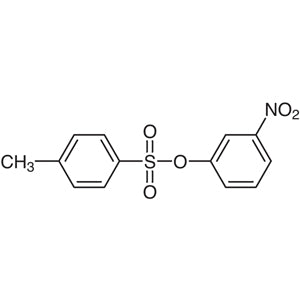
3-Nitrophenylp-Toluenesulfonate TCI T1210
Regular price Rp 4.611.600,00Regular priceRp 3.224.550,00Sale price Rp 4.611.600,00 -
Bis(4-nitrophenyl)amine TCI B2960
Regular price From Rp 3.738.000,00Regular priceRp 2.613.450,00Sale price From Rp 3.738.000,00 -
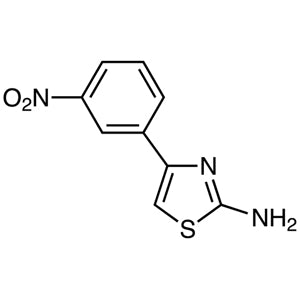
2-Amino-4-(3-nitrophenyl)thiazole TCI A3086
Regular price From Rp 717.150,00Regular priceRp 516.600,00Sale price From Rp 717.150,00 -
Tris(4-nitrophenyl)Phosphate TCI T1002
Regular price Rp 3.815.700,00Regular priceRp 2.683.800,00Sale price Rp 3.815.700,00 -
4-NitrophenylButyrate TCI N1316
Regular price From Rp 1.988.700,00Regular priceRp 1.390.200,00Sale price From Rp 1.988.700,00


![2-[4-(Hydroxymethyl)-2-nitrophenoxy]ethanol - AMI Scientific](http://amiscientific.com/cdn/shop/files/TCI2510H1048.jpg?v=1769142586&width=533)