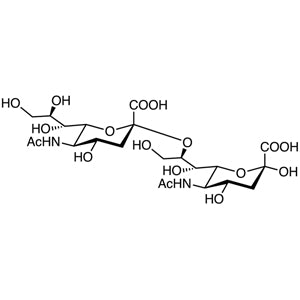
N-Acetylneuraminic Acid Dimer alpha(2-8) is a chemical compound widely used in chemical biology and glycoscience research. This dimeric form of N-Acetylneuraminic Acid plays a crucial role in the study of glycan structures and their biological functions. It is particularly valuable in laboratories where researchers are investigating the molecular mechanisms underlying various diseases and the development of therapeutic interventions. As a key component in glycan research, it supports the analysis of complex carbohydrate structures and their interactions with proteins and other biomolecules.
The compound is prized for its high purity and stable chemical structure, which ensures reliable and reproducible experimental results. Its controlled reactivity allows for precise manipulation in both analytical and synthetic applications. Additionally, its ability to form glycosidic bonds makes it an essential tool for studying molecular interactions and glycan modifications. These properties make it a preferred choice for researchers aiming to understand the role of glycans in biological systems and disease progression.
In Indonesian laboratories, this compound is commonly used in studies related to chronic diseases such as diabetes and neurodegenerative disorders. Researchers leverage its properties to explore the biological roles of glycans in cellular processes and to develop novel therapeutic strategies. Its application in local research underscores its importance in advancing scientific understanding and innovation in the field of glycoscience.
- Glycan Structure Analysis – This compound is ideal for studying the structural characteristics of glycans, enabling researchers to understand their role in cellular recognition and signaling.
- Drug Development – Its use in drug development helps in the design of therapeutics targeting glycan-related pathways, particularly in diseases involving abnormal glycan expression.
- Molecular Interaction Studies – The compound facilitates the investigation of molecular interactions, especially in the context of protein-glycan binding and receptor-ligand recognition.
- Neurodegenerative Disease Research – It supports studies on how glycan modifications contribute to the progression of neurodegenerative disorders, offering insights into potential therapeutic targets.
- Diabetes Research – Its application in diabetes research helps in understanding the role of glycans in insulin signaling and metabolic regulation.
| Brand | — |
|---|---|
| CAS number | — |
| Molecular formula | — |
| Purity | — |
| Category | — |
| Pack sizes | — |
| Physical form | — |
| Storage | — |
- Brand – TCI
- CAS Number – 95983-78-1
- Category – Chemistry > Chemical Biology > Glycoscience
- Pack Sizes – Available in various quantities as per standard laboratory requirements
- Physical Form – Solid powder
- Storage Note – Store in a cool, dry place away from light and moisture
This compound should be stored in a cool, dry environment, away from direct light and moisture to maintain its chemical stability and purity. It is recommended to use airtight containers to prevent exposure to humidity and potential contamination. Due to its chemical nature, it should be handled with appropriate personal protective equipment, such as gloves and safety goggles, to ensure laboratory safety. Avoid contact with incompatible substances and ensure proper ventilation in the workspace. Regular monitoring of storage conditions is advised to maintain optimal quality for research applications.
—
Produk Terkait
-
TCI B5774 5,10-Bis(4,4,5,5-tetramethyl-1,3,2-dioxaborolan-2-yl)naphtho[1,2-c:5,6-c']bis([1,2,5]oxadiazole)
Regular price Rp 10.255.350,00Regular price -
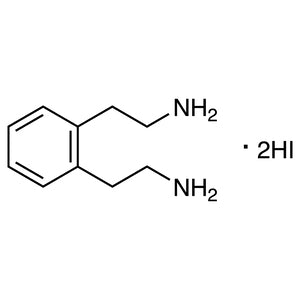
Dihydroiodide TCI B6569
Regular price From Rp 1.936.200,00Regular price -
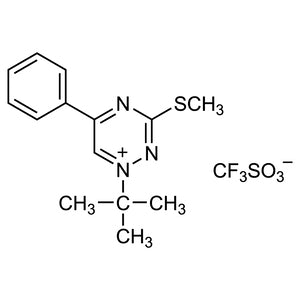
Trifluoromethanesulfonate TCI B7003
Regular price From Rp 1.936.200,00Regular price
![5,10-Bis(4,4,5,5-tetramethyl-1,3,2-dioxaborolan-2-yl)naphtho[1,2-c:5,6-c']bis([1,2,5]oxadiazole) - TCI B5774 - AMI Scientific](http://amiscientific.com/cdn/shop/files/TCI2510B5774.jpg?v=1769180228&width=533)